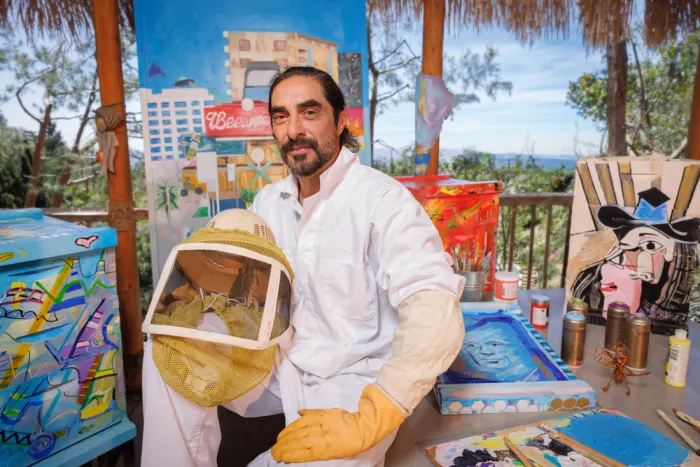
When bees show up in spaces full of children, families, or public activity, it’s more than just an annoyance—it becomes a safety and liability concern. That’s why bee removal for schools is more than a convenience. It’s a necessity. With over 20 years of experience as a beekeeper and bee removal professional across California, I’ve seen firsthand how a single hive tucked behind a playground slide or inside a school attic can turn a cheerful campus into a risky zone. That’s also why I offer expert solutions tailored for bee removal for parks and bee removal for public spaces, combining safety, care for pollinators, and respect for the local environment.
Why Bees Matter and Why Removal Must Be Thoughtful
Bees play a vital ecological role. As pollinators, they support plant and crop reproduction, sustain biodiversity, and help maintain healthy urban and rural ecosystems.
But having a beehive where people gather—especially children—poses real risks. From allergic reactions to painful stings, a hive in a playground, school wall, or community park can disrupt normal activities and create liability. That’s why bee removal for schools, bee removal for parks, and bee removal for public spaces should always be handled by trained professionals with the knowledge, equipment, and respect for bees and the people involved.
When done responsibly, you’re not just removing a danger—you’re preserving a vital pollinator community while restoring safety to shared spaces.
Signs & Risks to Call a Professional
- Frequent or increasing bee activity near buildings, playground equipment, utility boxes, roofs, shaded seating areas, or structures often used by kids or the public.
- Visible hive, wax or honey stains, or bees entering/exiting wall voids, roof eaves, sheds, or enclosed spaces.
- Reports of stings, especially from children or staff members.
- Bees appearing near high‑traffic areas, outdoor seating, walkways, or spaces where people gather.
If any of these show up, it’s time for professional intervention. Many times people think they can wait—until the hive grows, or until bees leave. But delay often means more bees, stronger colonies, and higher risk. One small cluster tomorrow can become a dangerous hive the next day.
Dangers of DIY Bee Removal
Removing bees yourself often backfires. Without protective gear or proper techniques, you risk serious stings, allergic reactions, property damage, and inadvertently provoking aggressive defense from the colony.
Bees can rebuild in harder‑to‑reach places. A failed DIY attempt often leads to repeated infestations. That’s why safe, humane, and effective removal requires professional experience.
What Professional Bee Removal Looks Like
When it comes to handling bees in schools, parks, or public spaces, professional bee removal isn’t just about getting rid of the hive. It’s about ensuring the safety of people while protecting the bees and their important role in the environment. A professional beekeeper approaches bee removal with care, using specialized tools and techniques to manage the situation without harming the bees.
Unlike DIY methods that might only address the surface of the issue, professional removal goes beyond just eliminating the hive. It involves understanding bee behavior, assessing the location and species, and ensuring that the bees are relocated safely. The goal is to resolve the immediate issue while preserving the bees and preventing future problems.
Now, let’s take a look at the detailed steps involved in a safe and eco-friendly bee removal process.
Step 1: Assessment & Species Confirmation
As a seasoned beekeeper, I always begin with a careful inspection. This involves:
- Identifying if the insects are honey bees (or another species like wasps or hornets—very different risks).
- Pinpointing the exact location: wall cavities, roof eaves, behind playground equipment, utility boxes, or shaded public‑space structures.
- Estimating size and activity level (swarm cluster, active hive, size of entrance, bee traffic).
- Taking photos if possible and collecting site history (any prior infestations, how long bees have been noticed, building materials or vulnerable access points).
If the hive is in an area where people gather regularly—like a schoolyard, park lawn, playground equipment zone, or lunch pavilion—then removal is justified to protect public safety.
Step 2: Safe, Eco‑Friendly Removal & Relocation
Whenever possible, I use live bee removal — gently brushing or transferring bees into a hive box or container rather than using extermination.
For a typical school, park, or public‑space removal:
- I wear full protective bee‑suit and use bee‑handling tools to ensure the colony is safely contained without harm.
- Bees are relocated to a registered apiary or managed hive far from public zones—ensuring the pollinator community stays intact.
- After removal, I check thoroughly for residual wax, honey, or hive debris. Leftover wax/honey can attract ants, rodents, or other pests if ignored.
Step 3: Site Cleanup, Sealing & Prevention
Once the hive is gone, that’s only half the job. I seal the entry points—cracks in walls, gaps under roofs, utility box openings, behind playground equipment, and other vulnerable spots—to prevent re‑colonization. I also clean or advise clients on cleanup to remove odors or residues that might attract future bees or pests.
Then I offer follow-up inspections, especially in public areas like parks or schools, as bee activity may return in dormant hives or via new swarms.
Why Schools, Parks & Public Spaces Need Specialized Bee Removal
Public‑use environments have distinct challenges:
- High foot traffic: children, playground users, parents, community members. High risk of accidental disturbance of a hive.
- Liability concerns: stings, allergic reactions, panic, or disruptions to school schedules or public events.
- Structural complexity: playground equipment, shade structures, utility boxes, roofing, wall cavities. These spots can be hidden and tricky to access safely.
- Environmental stewardship: many communities care about maintaining pollinator populations while ensuring public safety.
For these reasons, bee removal for schools, bee removal for parks, and bee removal for public spaces demand a skilled beekeeper who balances safety with ecological responsibility.
My 20+ years of experience give me insight into how bees behave, where they tend to settle in urban/suburban California settings, and how to relocate them humanely.
Preventive Measures & Long‑Term Management
After a safe removal and clean‑up, putting preventive practices in place is key to avoid future infestations:
- Seal all cracks, gaps, and voids—especially around roofs, eaves, utility boxes, playground structures, and building edges.
- Keep trash, food waste, and open water sources (like fountains, standing water, or dripping pipes) monitored and managed carefully; such attractants draw bees.
- Use bee‑friendly landscaping away from high‑traffic zones. If you maintain gardens or flower beds near playgrounds or public benches, consider planting pollinator‑friendly vegetation at a safe distance to keep bees and people separate.
- Schedule periodic inspections, especially in older buildings, utility sheds, or storage areas—not just when bees are visible. Early detection saves effort and risk.
These practices help maintain a balance: humans stay safe, public spaces stay functional, and bee populations stay healthy.
Why Choose an Experienced Professional (Not DIY)
- Safety first: I use protective gear, specialized tools, and proven methods. DIY attempts often lead to stings, worse infestations, or even structural damage.
- Bee preservation: Live relocation helps protect pollinators and supports local biodiversity. Simply killing or spraying bees harms ecosystems and contributes to pollinator decline
- Compliance & responsibility: In many areas, indiscriminate extermination or pesticide use against bees may breach environmental guidelines or local regulations; a professional beekeeper knows best practices and legal requirements.
- Long-term prevention: Removal is only the first step. Without sealing, cleanup, and prevention work, bees often return. Professional removal includes these steps to ensure a lasting solution.
What to Ask When You Hire Bee Removal
If you manage a school, park, or public facility and suspect a hive, here’s what to prepare before hiring me or another professional:
- Describe the location in detail: building type, playground equipment, utility areas, and where you’ve seen bee activity.
- Estimate how long bees have been around—or when you first noticed them. Provide photos if possible.
- Ask whether the removal will be “live relocation,” not extermination, if you care about pollinators.
- Ensure the person you hire has experience, protective equipment, liability coverage, and a plan for sealing/remediation and prevention.
- Ask for a follow-up inspection or guarantee that bees won’t return, especially in public settings with high risk.
With that info, I can develop a work plan tailored to your site and schedule—minimizing disruption while securing the safety of everyone involved.
Why It Matters – Protecting Communities & Pollinators
By investing in careful, professional bee removal for schools, bee removal for parks, and bee removal for public spaces, you’re doing more than clearing a hazard. You’re protecting students, families, staff, community members—and doing your part to conserve essential pollinators.
Especially in areas where bees are vital for nearby gardens or local vegetation, relocation can help maintain ecological balance while ensuring public safety.
When you call me, you’re not just hiring someone to clear a hive — you’re hiring a beekeeper who cares about both safety and bees.
Final Thoughts
If you manage a school, park, daycare, community center, or any public space and you suspect bees have moved in — don’t wait. Every day counts. A few buzzing bees can turn into a full colony quickly, increasing risk and complexity.
Reach out for a free inspection. I’ll assess the situation, identify the species, safely remove and relocate the bees, clean the site, seal entry points, and advise you on preventive steps.
Let’s make your campus, park, or public space safe, clean, and bee‑friendly in the long run.
Contact me today for professional bee removal for schools, parks, and public spaces.