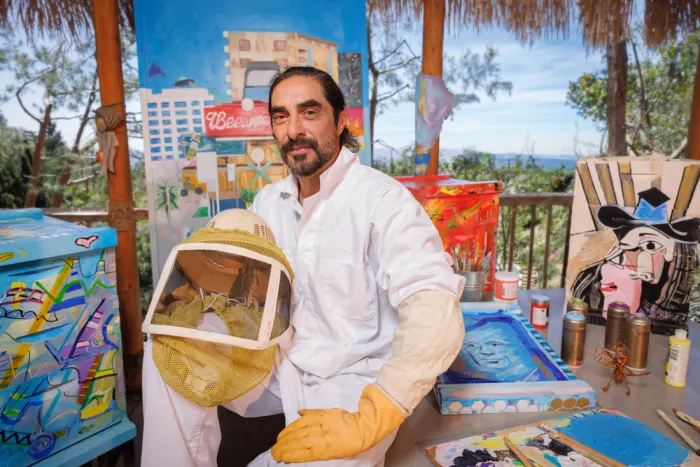
Bees are tiny creatures with a very big job. They buzz around flowers, collect pollen, and quietly keep our food system running. Without bees, grocery shopping would be a lot less exciting and probably a lot more expensive.
No apples.
No almonds.
No strawberries.
Suddenly, breakfast gets very boring.
So when people hear the words bee removal, they sometimes panic and think, “Wait… aren’t bees supposed to be protected?”
Yes. Absolutely.
But here’s the twist: bee removal actually helps protect bees, when it’s done the right way. Let’s clear up the confusion, squash a few myths, and explain how responsible bee removal plays a key role in protecting pollinators and our food supply.
Why Bees Matter More Than We Realize
Bees don’t just make honey. They make food possible. Bees pollinate:
- Fruits
- Vegetables
- Nuts
- Seeds
- Crops used for animal feed
In fact, a huge portion of the food we eat depends on pollination. Without bees, crop yields drop, food prices rise, and entire ecosystems struggle. So yes, bees are a big deal.
If Bees Are So Important, Why Remove Them at All?
Great question. The issue isn’t bees existing, it’s where they decide to live.
Bees belong in:
- Fields
- Gardens
- Farms
- Wild spaces
They do not belong in:
- Walls
- Roofs
- Attics
- Schools
- Offices
- Busy public areas
When bees nest in buildings or high-traffic spaces, both humans and bees are at risk. That’s where professional bee removal comes in.
Bee Removal vs. Bee Destruction (Big Difference)
Let’s get one thing straight:
Modern bee removal is not about killing bees. Responsible bee removal focuses on:
- Safe relocation
- Protecting the queen
- Keeping the colony together
- Moving bees to a healthier environment
This approach protects pollinators and people. Think of it as moving bees from the wrong neighborhood to the right one.
Why Bees Nest in Human Spaces
Bees aren’t trying to cause trouble. They’re just looking for:
- Shelter
- Warmth
- Safety
- Quiet
Unfortunately, buildings offer all of that. Wall cavities, roof gaps, and attics feel like luxury condos to a bee colony. Once they move in, they start building fast. Left alone, this creates problems for everyone.
How Unsafe Nesting Hurts Bees Too
When bees nest in buildings:
- They face constant disturbance
- They risk extermination if mishandled
- Their hive may be destroyed during repairs
- They may be exposed to chemicals
Relocation gives them a second chance in a safer, natural environment.
The Hidden Danger of Ignoring Bee Problems
Some people think, “Let’s just leave them alone.”
That sounds kind, but it often leads to worse outcomes.
Ignoring bee infestations can result in:
- Structural damage
- Honey leaks
- Aggressive defensive behavior
- Emergency removal situations
Emergency situations are far more dangerous for bees than planned relocation.
How Professional Bee Removal Protects Pollinators
Professional bee removal helps pollinators by:
- Preserving entire colonies
- Preventing unnecessary extermination
- Relocating bees to safe areas
- Supporting sustainable beekeeping
Instead of wiping out a hive, professionals give it a future.
Also Read: Bees vs Wasps vs Hornets: How to Identify and Handle These Insects Near Your Home
Where Do Relocated Bees Go?
Relocated bees are often taken to:
- Managed apiaries
- Farms
- Open land
- Bee sanctuaries
There, they continue pollinating crops and plants—doing exactly what nature intended.
The Link Between Bees and the Food Supply
Without bees:
- Crop yields drop
- Food variety decreases
- Costs increase
- Ecosystems weaken
Protecting bees means protecting:
- Farmers
- Food systems
- Global nutrition
Bee removal done correctly supports this balance.
Why DIY Bee Removal Is Bad for Bees
Trying to remove bees without experience often leads to:
- Scattered colonies
- Lost queens
- Increased aggression
- Colony death
Most DIY attempts harm bees far more than professional services ever would. Good intentions don’t always lead to good outcomes.
Timing Makes a Huge Difference
Early intervention is key. When bees are removed early:
- Colonies are smaller
- Relocation is easier
- Stress on bees is lower
- Success rates are higher
Waiting too long turns relocation into a risky rescue mission.
Bee Swarms: A Special Case
Swarming bees are often misunderstood.
During a swarm:
- Bees are relocating
- They are usually calm
- They have no hive to defend
This is one of the best times to relocate bees safely. Handled properly, swarms can be moved without harm.
Protecting People While Protecting Bees
Bee removal isn’t just about bees; it’s about people, too.
Unsafe nesting can put at risk:
- Children
- Pets
- Elderly individuals
- People with allergies
Safe removal protects everyone involved.
Why Professional Services Matter
Professional bee removal services understand:
- Bee behavior
- Safe handling techniques
- Environmental responsibility
- Long-term prevention
That’s why many property owners trust a reliable Bee Removal Service in San Marcos to protect both pollinators and people.
Prevention Is Part of Protection
Preventing bees from nesting in buildings helps bees long-term.
Prevention includes:
- Sealing cracks and gaps
- Covering vents and chimneys
- Regular inspections
- Prompt repairs
When bees don’t move into unsafe places, fewer need relocation later.
Education Helps Pollinators Too
Understanding bees reduces fear.
When people learn:
- Bees aren’t naturally aggressive
- Swarms are temporary
- Relocation works
They’re more likely to choose safe solutions. Knowledge saves bees.
Environmental Benefits of Responsible Bee Removal
Responsible bee removal:
- Preserves biodiversity
- Supports agriculture
- Protects ecosystems
- Reduces chemical use
It’s an eco-friendly solution to a human-wildlife conflict.
Common Myths About Bee Removal
“All Bee Removal Harms Bees”
Not when done professionally.
“Bees Can Just Stay in Walls”
That often leads to colony loss.
“Spray Is Easier”
Spray destroys pollinators and causes more problems.
Why Balance Matters
We don’t have to choose between:
- Human safety
- Environmental protection
With proper bee removal, we get both. Bees thrive in the right places. People stay safe in theirs.
What Homeowners and Businesses Can Do
You can help protect pollinators by:
- Acting early
- Choosing relocation over extermination
- Avoiding DIY removal
- Supporting professional services
Small choices make a big impact.
The Bigger Picture: Bees and the Future
Bees face challenges:
- Habitat loss
- Climate changes
- Pesticides
- Human expansion
Responsible bee removal is one way we can reduce pressure and help them survive.
Final Thoughts
Bee removal isn’t the enemy of pollinators, it’s often their best ally. When bees end up in unsafe places, professional relocation gives them a chance to continue their important work while keeping people safe. Protecting bees protects food. Protecting food protects communities. And all of that starts with doing bee removal the right way. By choosing humane, responsible solutions, we reduce unnecessary colony loss and support long-term environmental balance. Safe relocation allows bees to thrive in natural settings where they can pollinate plants, strengthen ecosystems, and sustain agriculture. At the same time, it minimizes risks to families, businesses, and public spaces. Thoughtful bee removal helps preserve biodiversity while ensuring peaceful coexistence between people and pollinators.