Mason Bee
Tiny metallic blue-black, mud-sealed holes in wood or stems
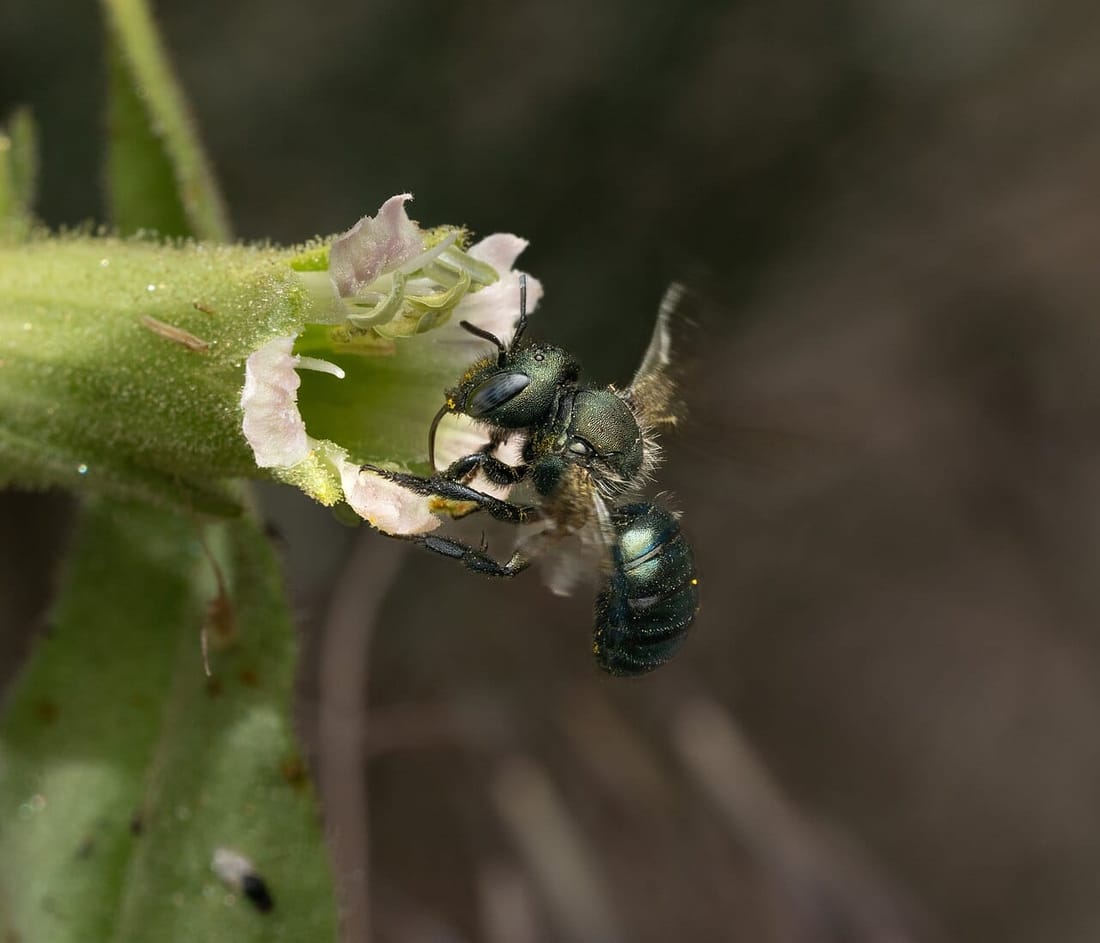
Individual
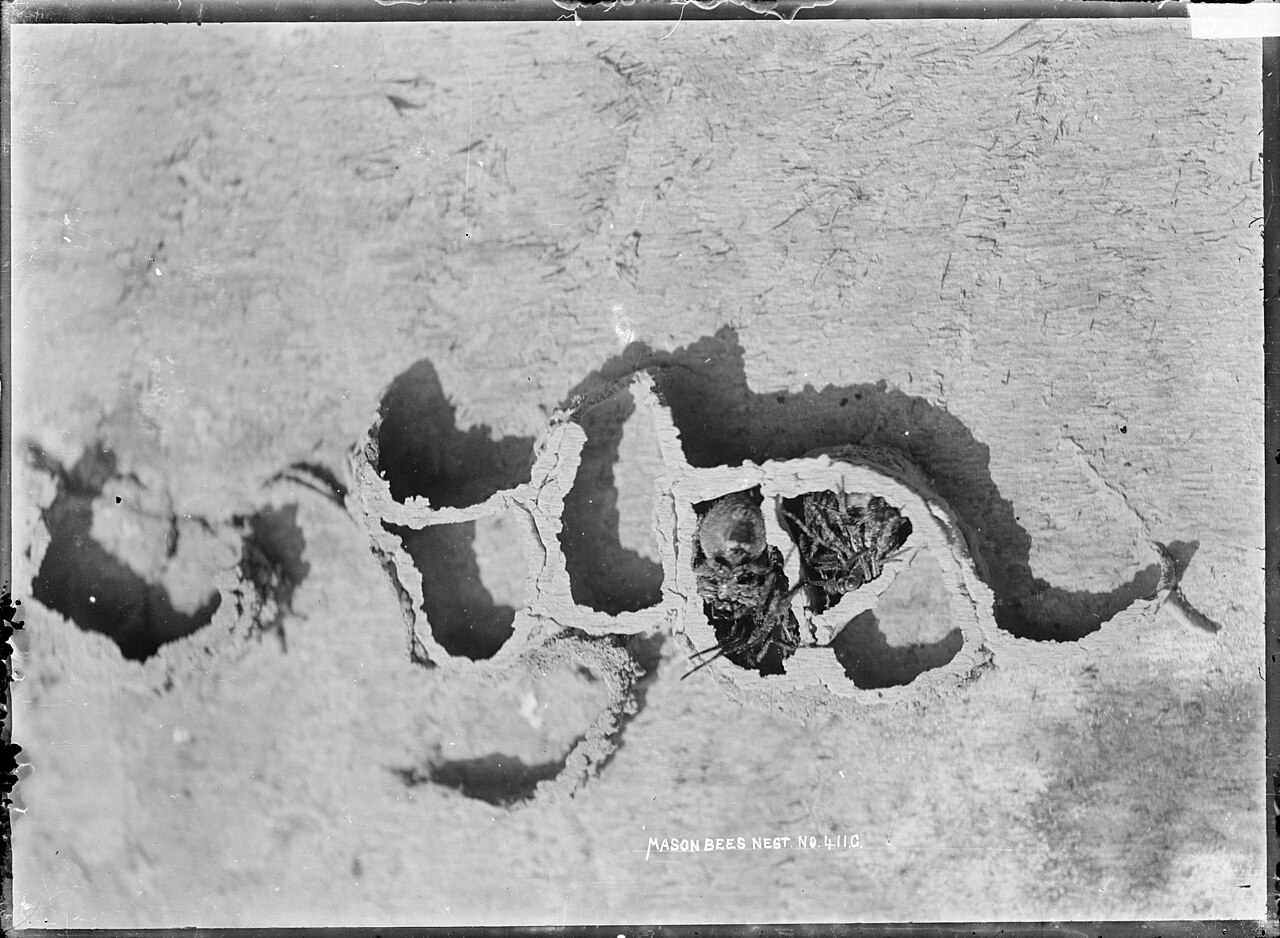
Swarm
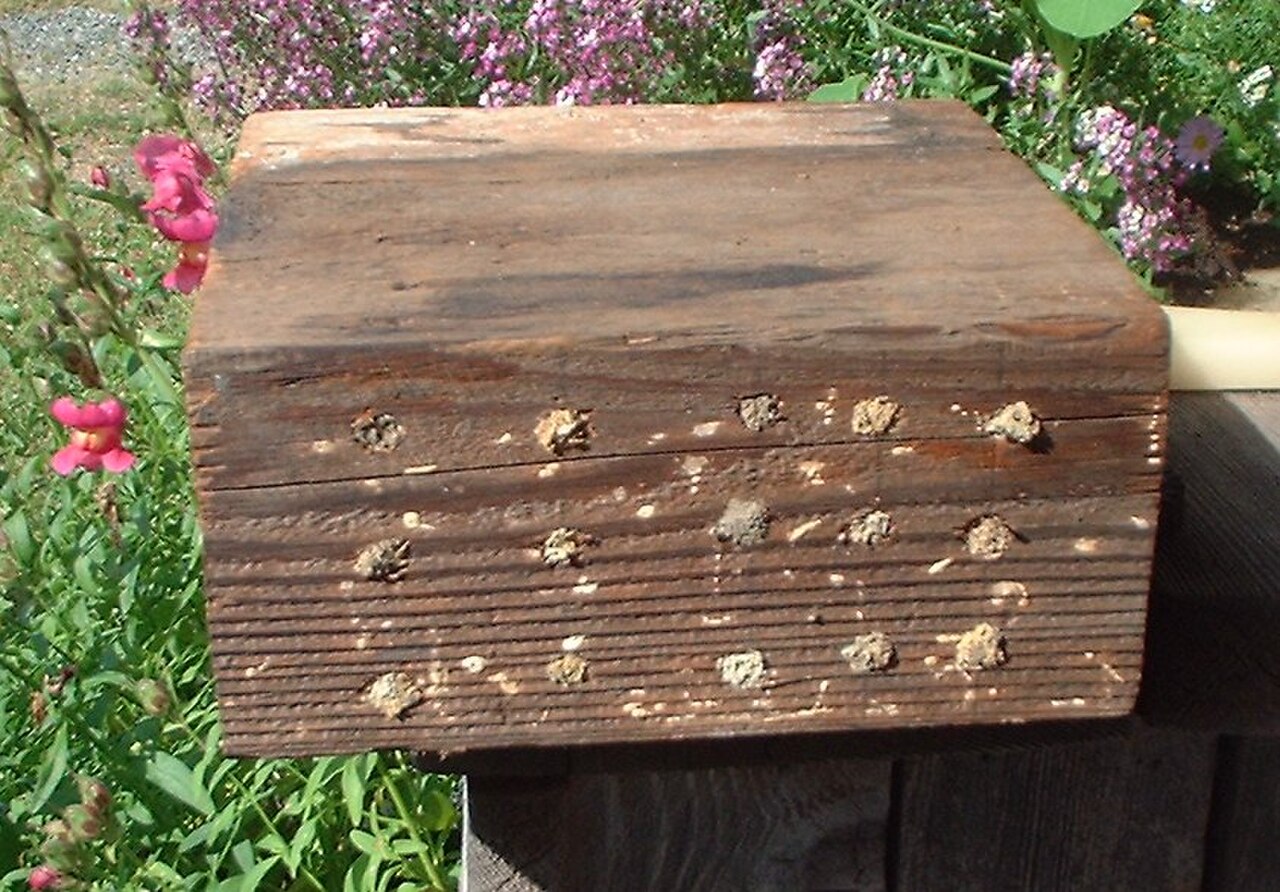
Nest / Hive
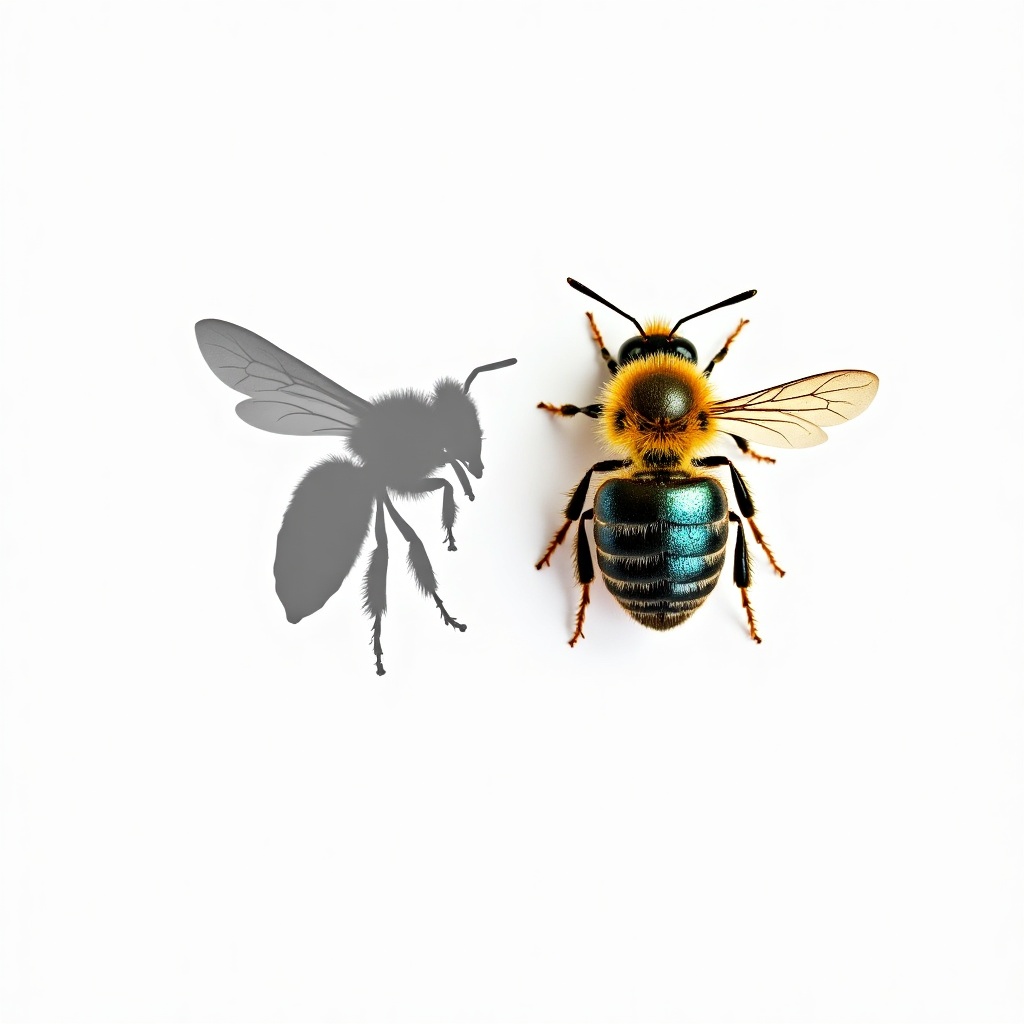
Wing / Body Pattern
What It Is
Mason bees are small, solitary native bees in the genus Osmia. They are found across North America, including Southern California. Mason bees are solitary. Each female nests alone. There is no queen, no colony, no hive. There is nothing to remove. Size: 1/4 to 1/2 inch, noticeably smaller than a honeybee.
How to Identify
Body: metallic blue-black or iridescent blue-green, compact and fuzzy. The metallic sheen is distinctive. Nest: mason bees use pre-existing holes rather than drilling. They nest in hollow plant stems, existing holes in wood, gaps in masonry, or bee houses. Each female lays eggs in a tube and seals the entrance with mud. The mud-sealed hole is the clearest nest identifier. Activity is spring-only for most species: a brief 4 to 8 week window.
Behavior and Risk
Mason bees are among the least defensive insects a homeowner encounters. Females can sting if directly handled but rarely do. Males cannot sting. With no colony to defend, the defensive motivation that drives other bee stings is not present. Sting risk from a mason bee is effectively zero in normal residential situations.
How to Handle
Mason bee activity requires no handling. If you see small metallic bees coming and going from holes in wood or a bee house in your garden, this is a beneficial visitor, not a problem. Do not treat mason bee nests. Do not fill the holes during spring when bees are active. To encourage mason bees: install a mason bee house in a sunny south or east-facing location.
Mason bees are tiny and metallic blue-black. They use existing holes and seal them with mud. Carpenter bees are large, drill new clean round holes, and have a shiny black abdomen. If the bee is small and metallic and the hole has a mud seal, it is a mason bee.
Frequently Asked Questions
Are mason bees dangerous?
No. Males cannot sting. Females can sting if handled directly but are highly unlikely to do so. There is no colony to defend.
Why do mason bees seal their holes with mud?
Each female lays eggs in cells within the tube and provisions each cell with pollen for the larvae. When all cells are complete, she seals the entrance with mud to protect the brood.
How can I help mason bees?
Install a mason bee house with the right-diameter holes in a sunny, sheltered location. Plant early-blooming flowers for spring nectar and pollen. Avoid pesticide use near nesting sites and flowering plants.
Does Beecasso remove mason bees?
Mason bees are solitary, non-aggressive, and ecologically valuable. There is no hive or colony present. If you are not sure what you have, send us a photo.
Found small dark bees going into holes in my wall. Is that mason bees?
Possibly. If the holes are small, pre-existing, and the bees are tiny and metallic blue-black with a mud seal on the holes, that is likely mason bees. If the holes are large clean round holes being drilled by a large bee, that is a carpenter bee. If bees are entering through a gap in large numbers with two-way traffic, that may be a honeybee colony. Send us a photo.
What our customers say
4.9 stars · 119 reviews
I can’t say enough good things about Steve and team! They came out on incredibly short notice when we were dealing with a stressful situation, and from the moment they arrived, they were professional, knowledgeable, and genuinely cared about doing the job right. What really stood out was how much they went above and beyond. They didn’t just handle the immediate issue—they took the time to thoroughly assess everything, explain the process, and make sure we felt comfortable every step of the way. Their attention to detail and work ethic were next-level. It’s rare to find a team this responsive, reliable, and committed to quality. I’m so grateful we found them and wouldn’t hesitate to recommend them to anyone dealing with a similar situation. Truly exceptional service.
They were incredible. Came out on super short notice, were extremely professional, and went above and beyond to handle everything thoroughly. You can tell they really care about doing the job right. So grateful we found them--highly recommend!
Steve is honest and fair. They do great work. I just used them and highly recommend them.