
Bee Removal in Whittier, CA
Tree-lined streets and hillside neighborhoods east of the valley.
Whittier's Uptown district has 1910s through 1930s Craftsman bungalows and Spanish homes with the aging eave construction that makes older neighborhoods consistent bee territory. The Whittier Hills neighborhoods on the south end, from Friendly Hills up toward Turnbull Canyon, have larger lots adjacent to open space with significant wild colony habitat. Turnbull Canyon and the Puente Hills provide a direct corridor from wild to residential, and spring swarms following the tree canopy from the hills into the valley grid do so every year. Mature street trees throughout Whittier's older blocks connect the foraging network from the hillside into neighborhoods as far north as Uptown. Swarm season peaks April through May. Craftsman-era homes in Uptown require more careful access planning than tract construction because original eave framing and tight clearances can complicate the extraction approach, and the wood is old enough that comb removal often reveals structural conditions that weren't visible from the exterior.
Licensed & Insured
Live Humane Removal
Fast Local Response
20+ Years Experience
Our Services in Whittier
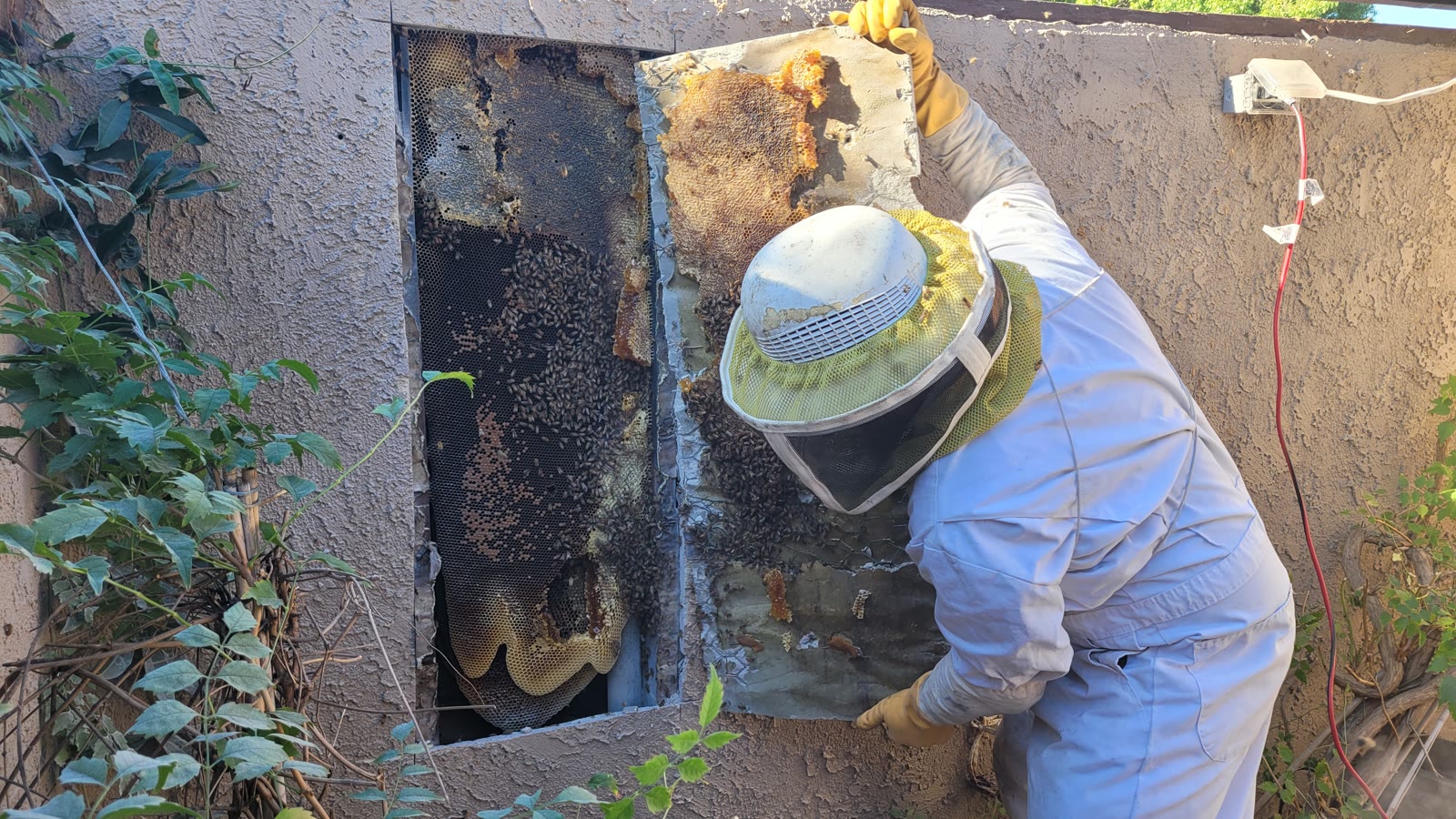
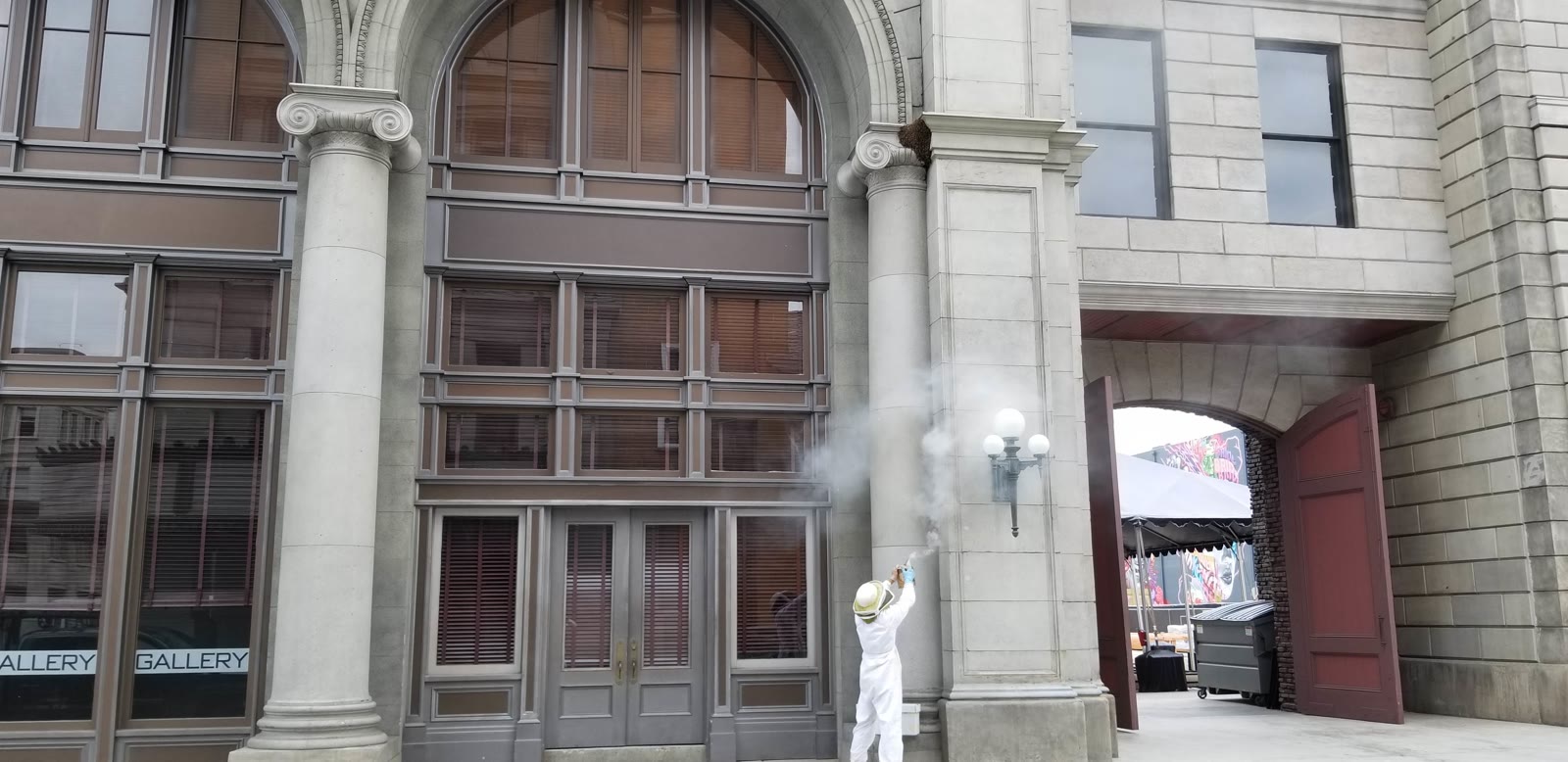
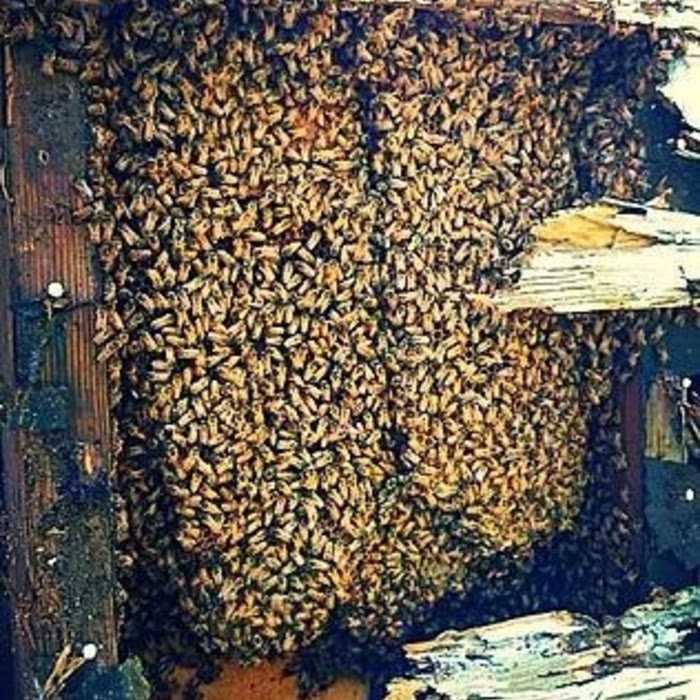
24/7 Emergency Bee Removal
Same-Day ResponseAggressive swarm or active hive in Whittier? We respond same-day across Los Angeles County.
Before and After
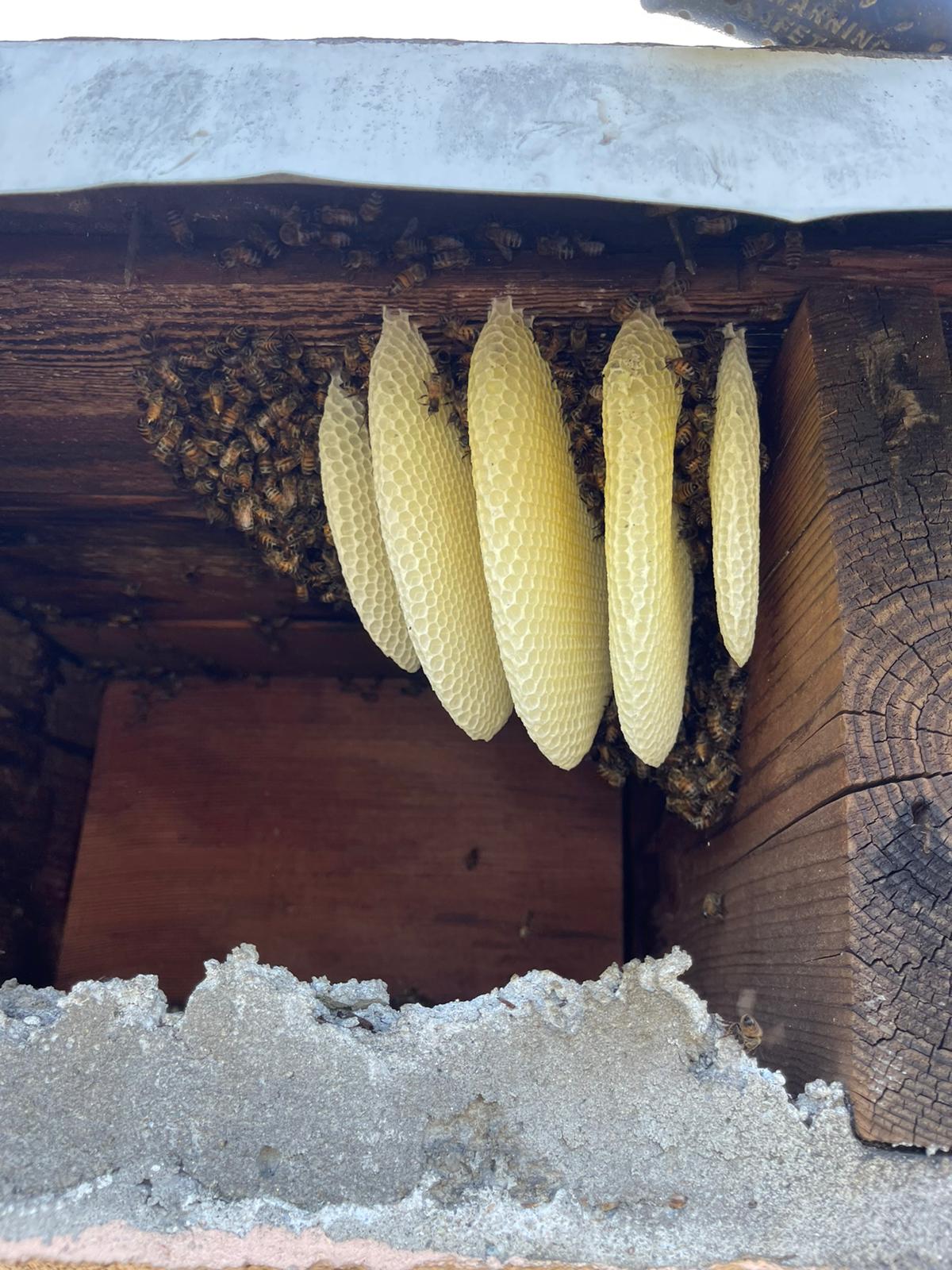
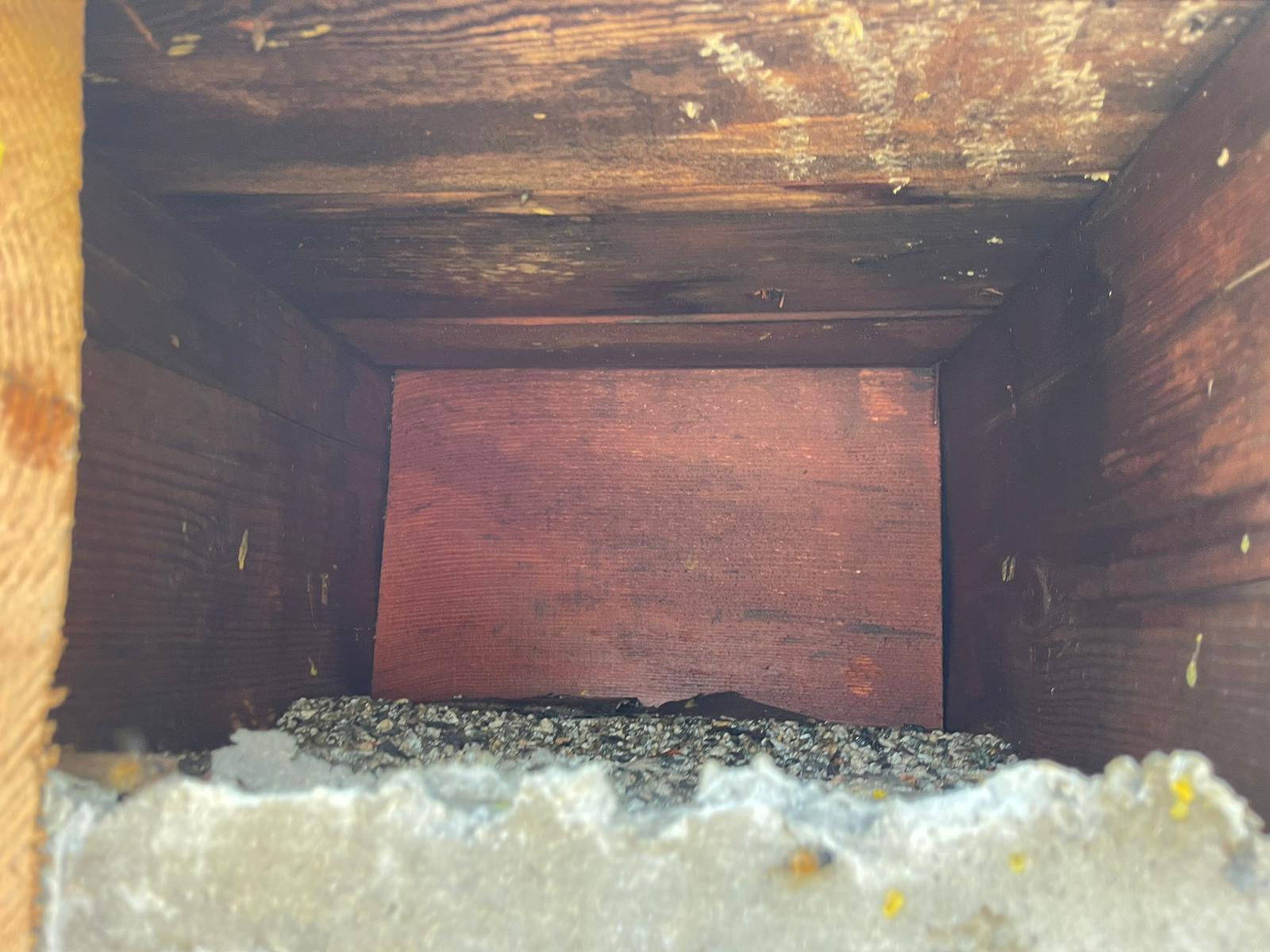
Every removal includes complete extraction and professional sealing.
Frequently Asked Questions
Nearby Cities
What our customers say
4.9 stars · 119 reviews
I can’t say enough good things about Steve and team! They came out on incredibly short notice when we were dealing with a stressful situation, and from the moment they arrived, they were professional, knowledgeable, and genuinely cared about doing the job right. What really stood out was how much they went above and beyond. They didn’t just handle the immediate issue—they took the time to thoroughly assess everything, explain the process, and make sure we felt comfortable every step of the way. Their attention to detail and work ethic were next-level. It’s rare to find a team this responsive, reliable, and committed to quality. I’m so grateful we found them and wouldn’t hesitate to recommend them to anyone dealing with a similar situation. Truly exceptional service.
They were incredible. Came out on super short notice, were extremely professional, and went above and beyond to handle everything thoroughly. You can tell they really care about doing the job right. So grateful we found them--highly recommend!
Steve is honest and fair. They do great work. I just used them and highly recommend them.