
Bee Removal in Lake Forest, CA
Planned HOA communities across the OC foothills south of Irvine.
Lake Forest was developed largely in the 1980s as Saddleback Valley's residential expansion, with planned communities in Lake Forest South, Serrano, and the Portola Hills edge built to standard OC stucco-and-tile specifications. The Saddleback Mountain face and Whiting Ranch Wilderness Park form the eastern backdrop, and the Whiting Ranch and Baker Canyon trails border residential streets directly in the eastern neighborhoods: some properties back directly to trailhead access. Wild bee populations in Whiting Ranch and the Cleveland National Forest edge are substantial, and spring swarming from wilderness-adjacent properties into residential tracts follows canyon corridors. Standard 1980s construction here has the soffit-gap and fascia-join entry profile common across OC planned communities. Properties in Portola Hills and in the neighborhoods along Glenn Ranch Road see the highest spring activity. A swarm that exits Whiting Ranch in April and scouts Lake Forest has 72 hours once scouts commit to a residential entry point.
Licensed & Insured
Live Humane Removal
Fast Local Response
20+ Years Experience
Our Services in Lake Forest
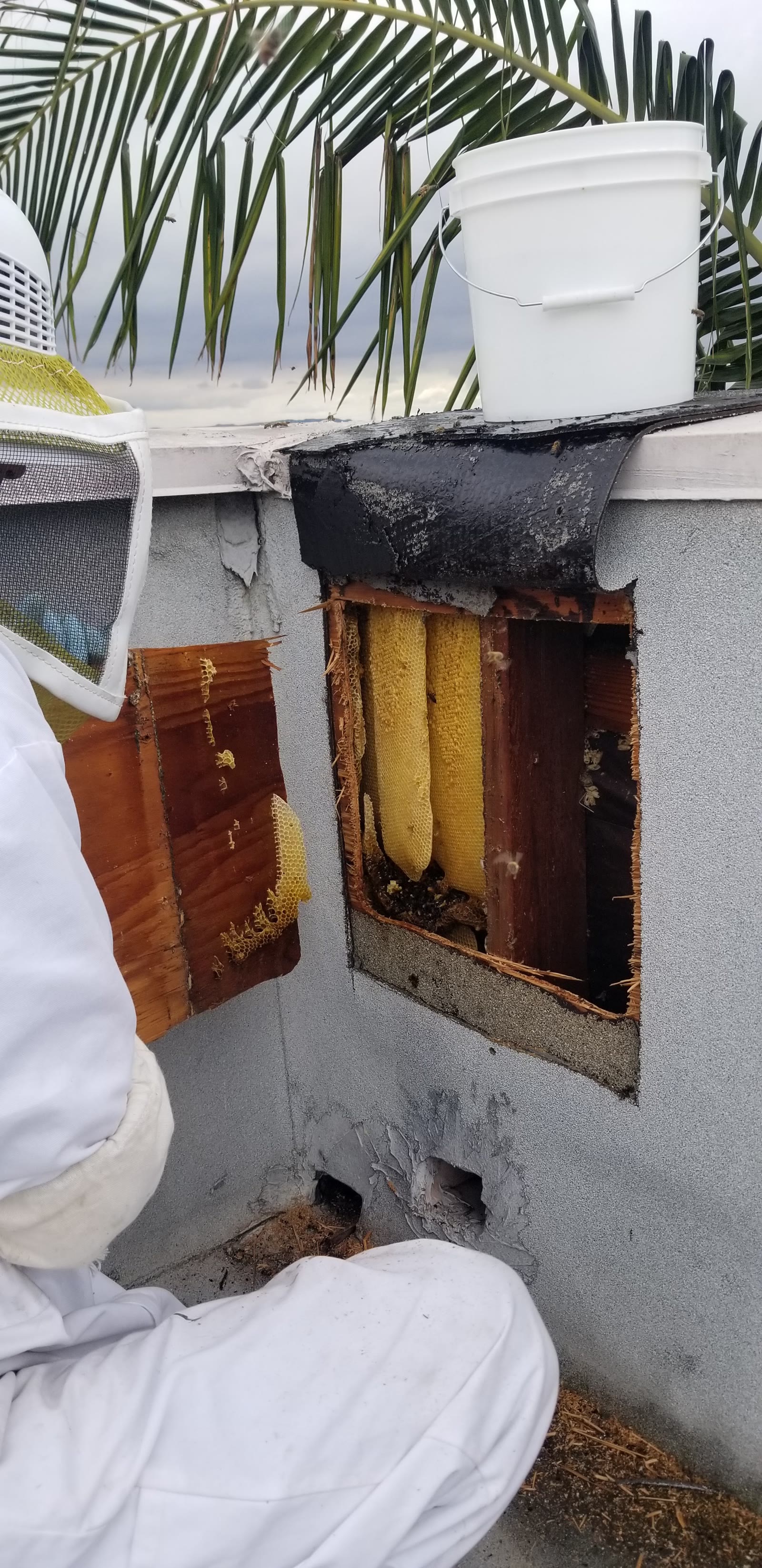

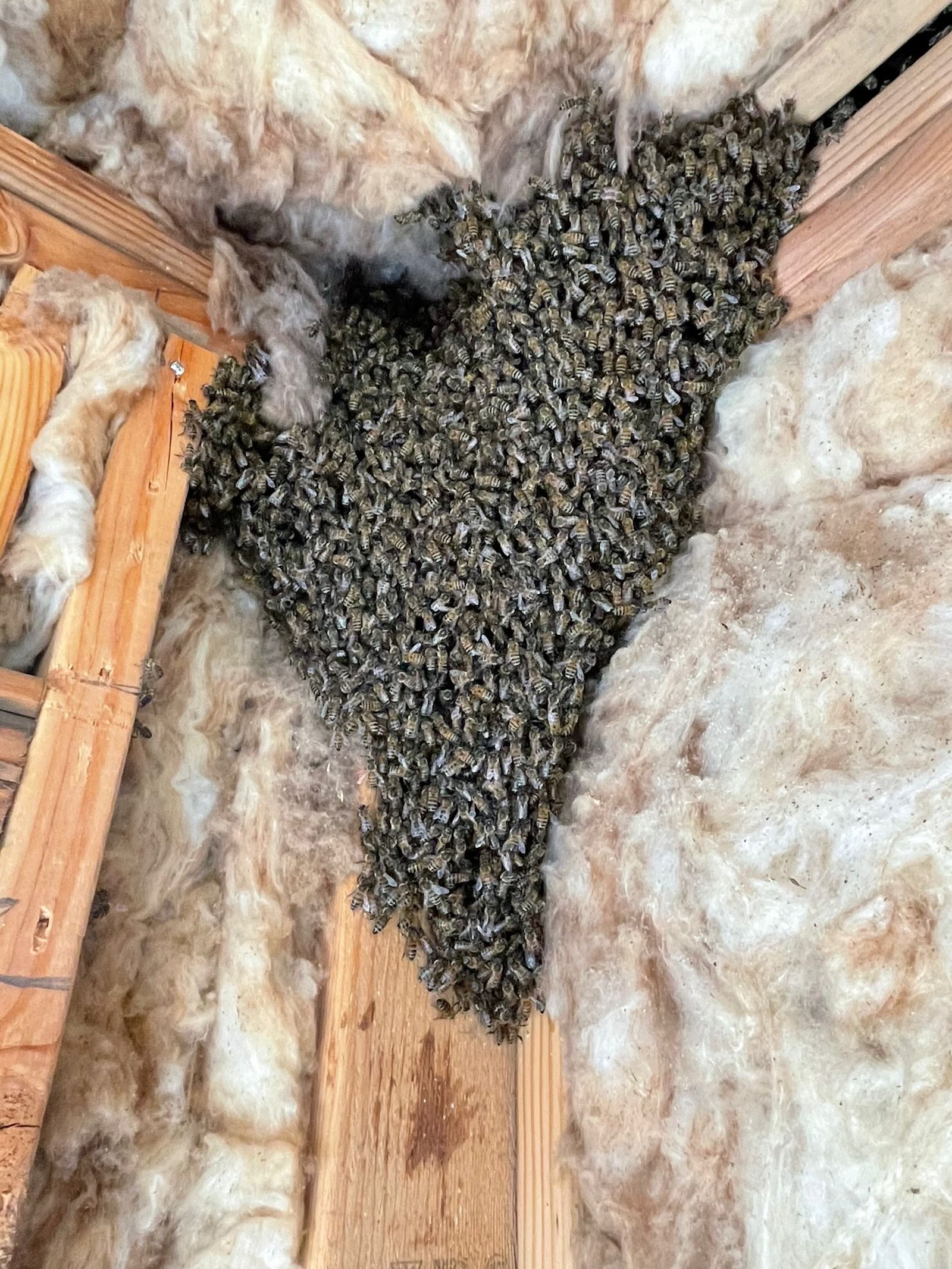
24/7 Emergency Bee Removal
Same-Day ResponseAggressive swarm or active hive in Lake Forest? We respond same-day across Orange County.
Before and After
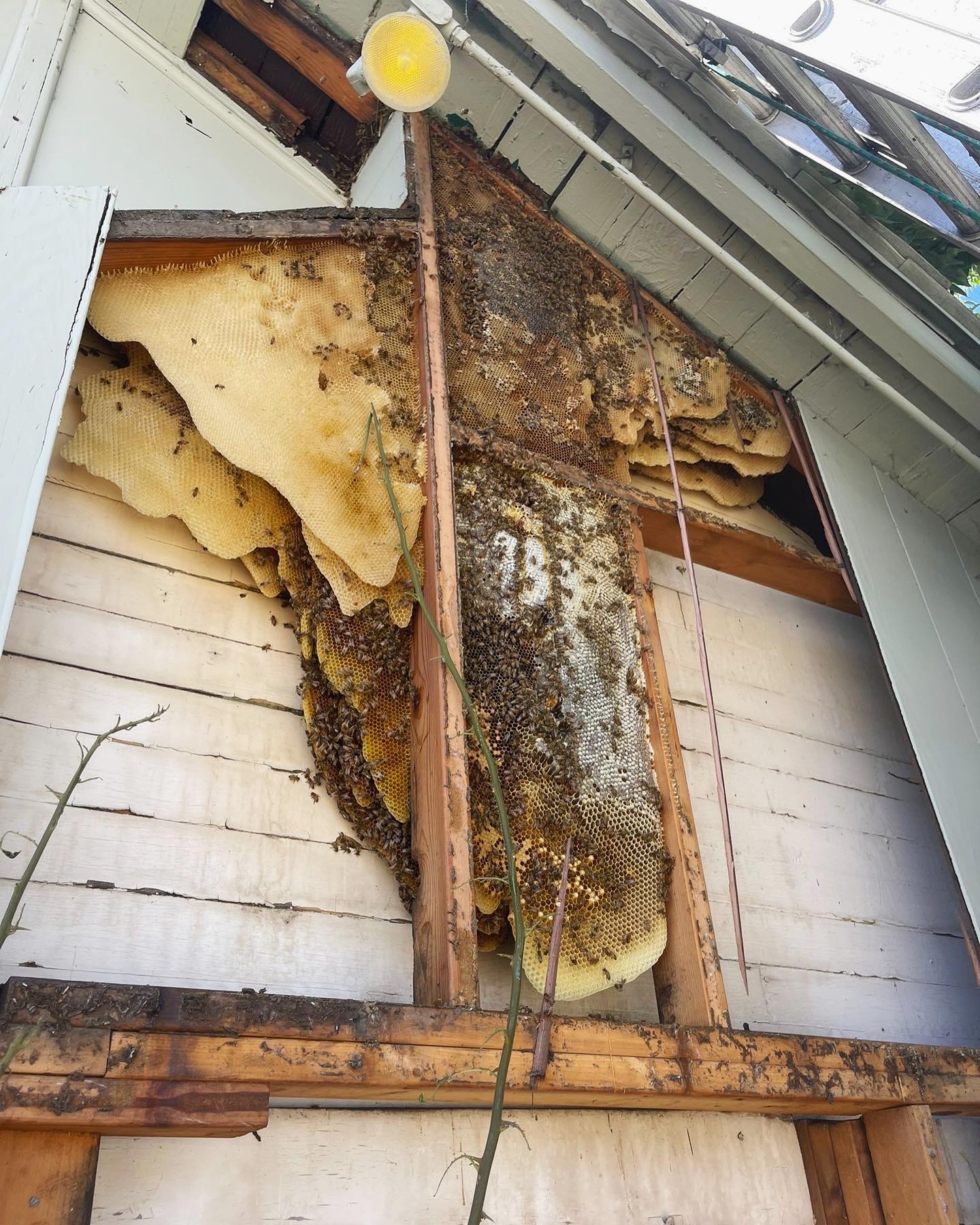
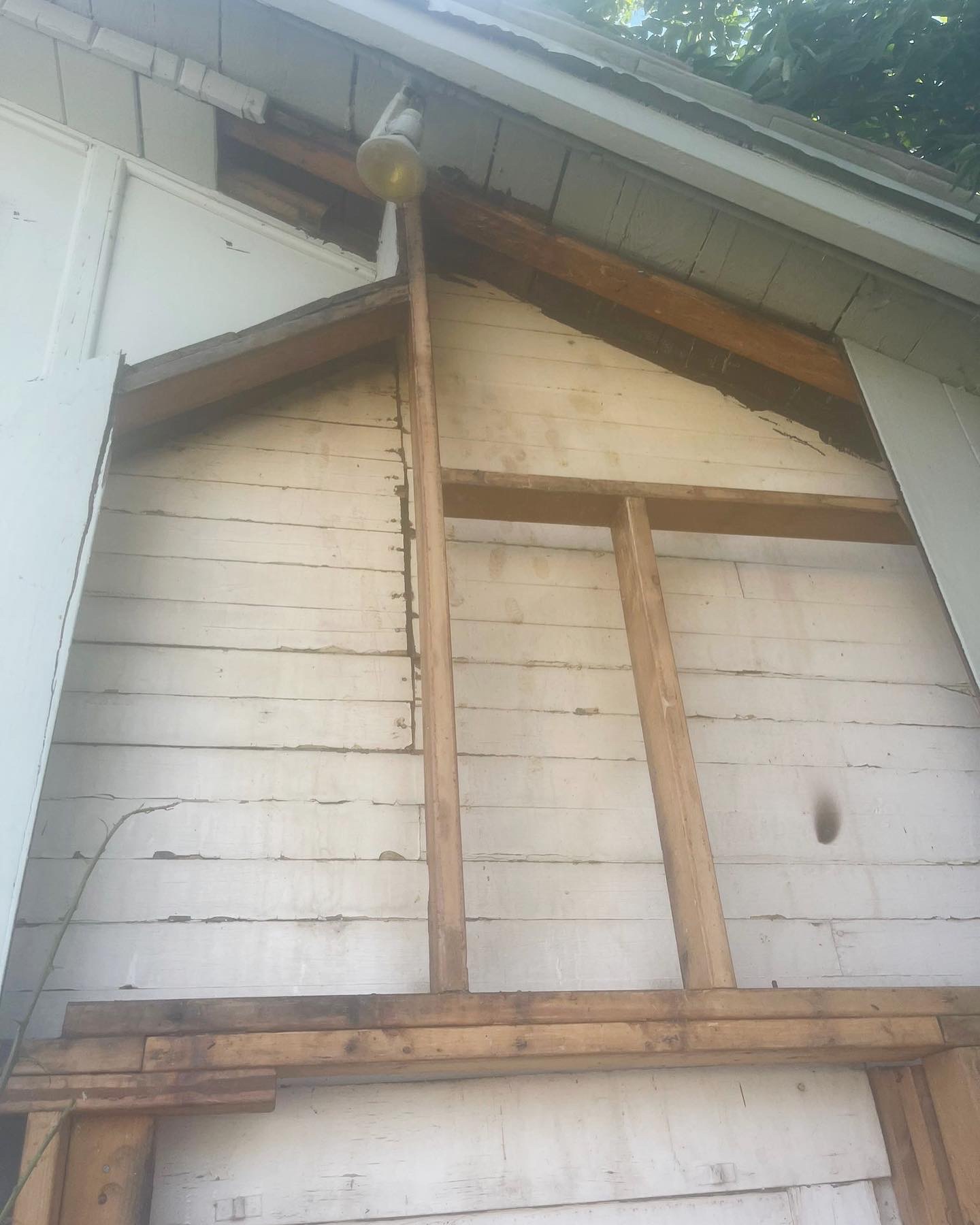
Every removal includes complete extraction and professional sealing.
Frequently Asked Questions
Nearby Cities
What our customers say
4.9 stars · 119 reviews
I can’t say enough good things about Steve and team! They came out on incredibly short notice when we were dealing with a stressful situation, and from the moment they arrived, they were professional, knowledgeable, and genuinely cared about doing the job right. What really stood out was how much they went above and beyond. They didn’t just handle the immediate issue—they took the time to thoroughly assess everything, explain the process, and make sure we felt comfortable every step of the way. Their attention to detail and work ethic were next-level. It’s rare to find a team this responsive, reliable, and committed to quality. I’m so grateful we found them and wouldn’t hesitate to recommend them to anyone dealing with a similar situation. Truly exceptional service.
They were incredible. Came out on super short notice, were extremely professional, and went above and beyond to handle everything thoroughly. You can tell they really care about doing the job right. So grateful we found them--highly recommend!
Steve is honest and fair. They do great work. I just used them and highly recommend them.