
Bee Removal in Antioch, TN
Antioch is southeastern Nashville's most densely populated suburban zone, with housing that ranges from 1970s brick ranch homes and older bungalows in the Priest Lake and Haywood Lane areas to more recent apartment and townhome construction near the Murfreesboro Pike corridor. That density, combined with J. Percy Priest Lake and its creek tributaries pushing hardwood migration habitat deep into the neighborhood grid, means bee calls in Antioch are frequent and varied. The older ranch construction along Bell Road and the creek-facing properties along the Antioch Pike corridor see the most consistent spring swarm migration, and the aging soffit and mortar conditions of the 1970s and 1980s housing stock are the primary entry vectors.
Insured
Live Humane Removal
Fast Local Response
20+ Years Experience
Our Services in Antioch
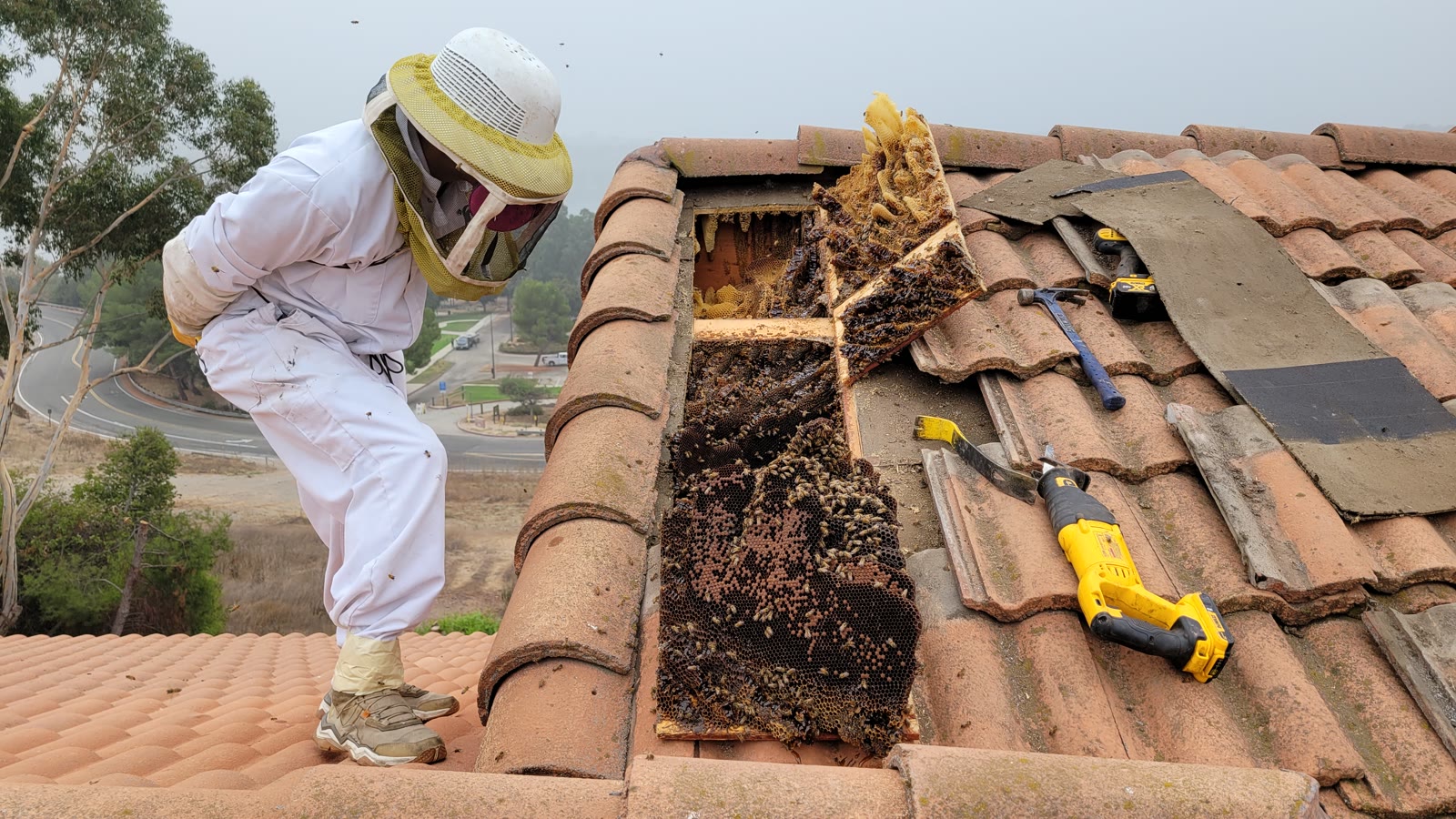

24/7 Emergency Bee Removal
Same-Day ResponseAggressive swarm or active hive in Antioch? We respond same-day across Davidson County.
Bee Activity in Antioch
Antioch's spring swarm season runs March through May, with J. Percy Priest Lake and Brown's Creek providing hardwood-corridor migration routes from the lake's forested edges directly into the residential interior. The dense suburban development means a swarming colony encounters multiple candidate structures quickly, and established colonies in southeastern Nashville walls can grow for full seasons before they become visible from the exterior. Fall secondary activity in September and October is consistent in the older housing corridors. Humane live removal is the right approach in Antioch: the bee populations that migrate through the Percy Priest corridor sustain the native plant and tree communities along the lake's protected edges.
Before and After
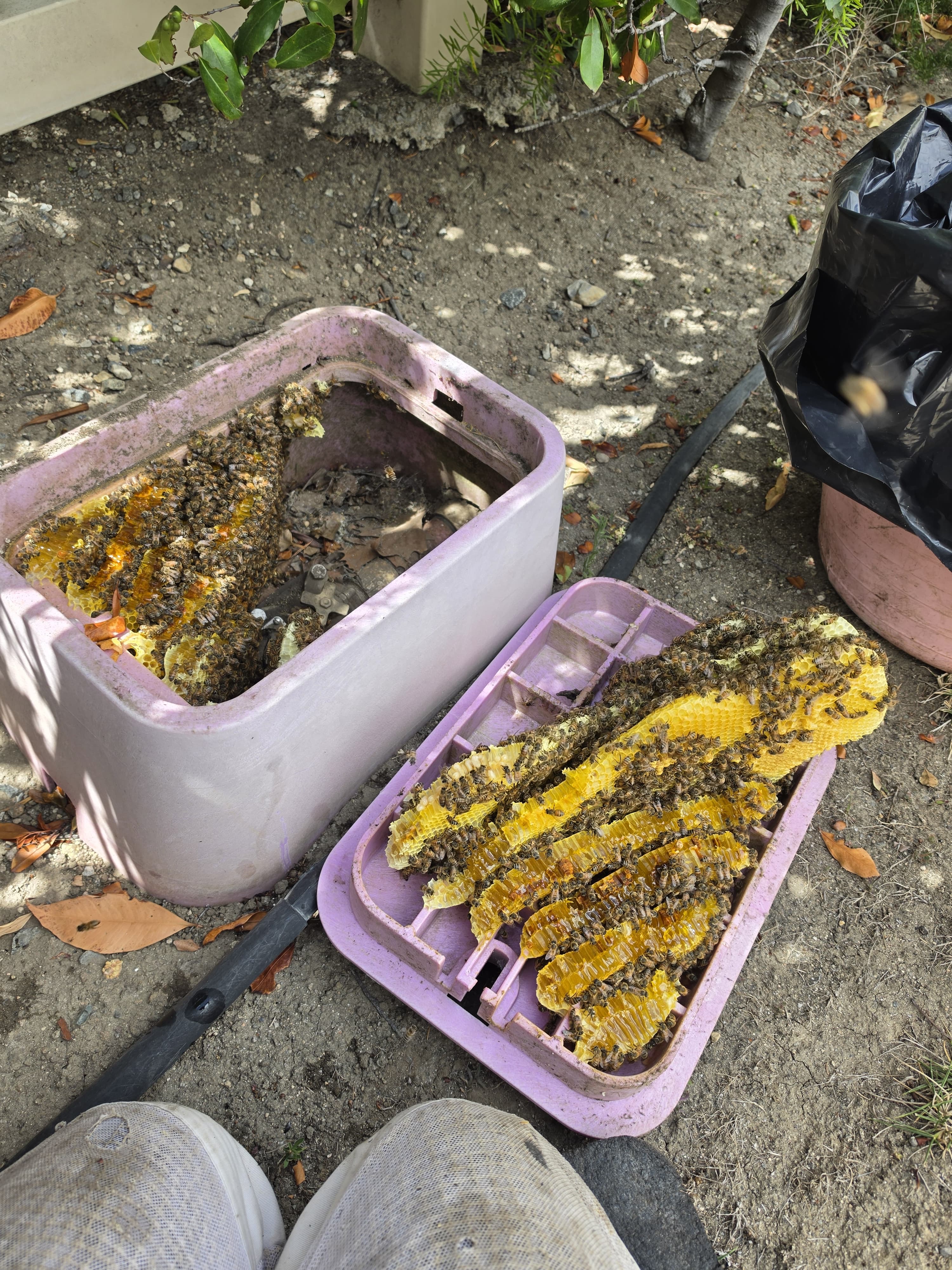
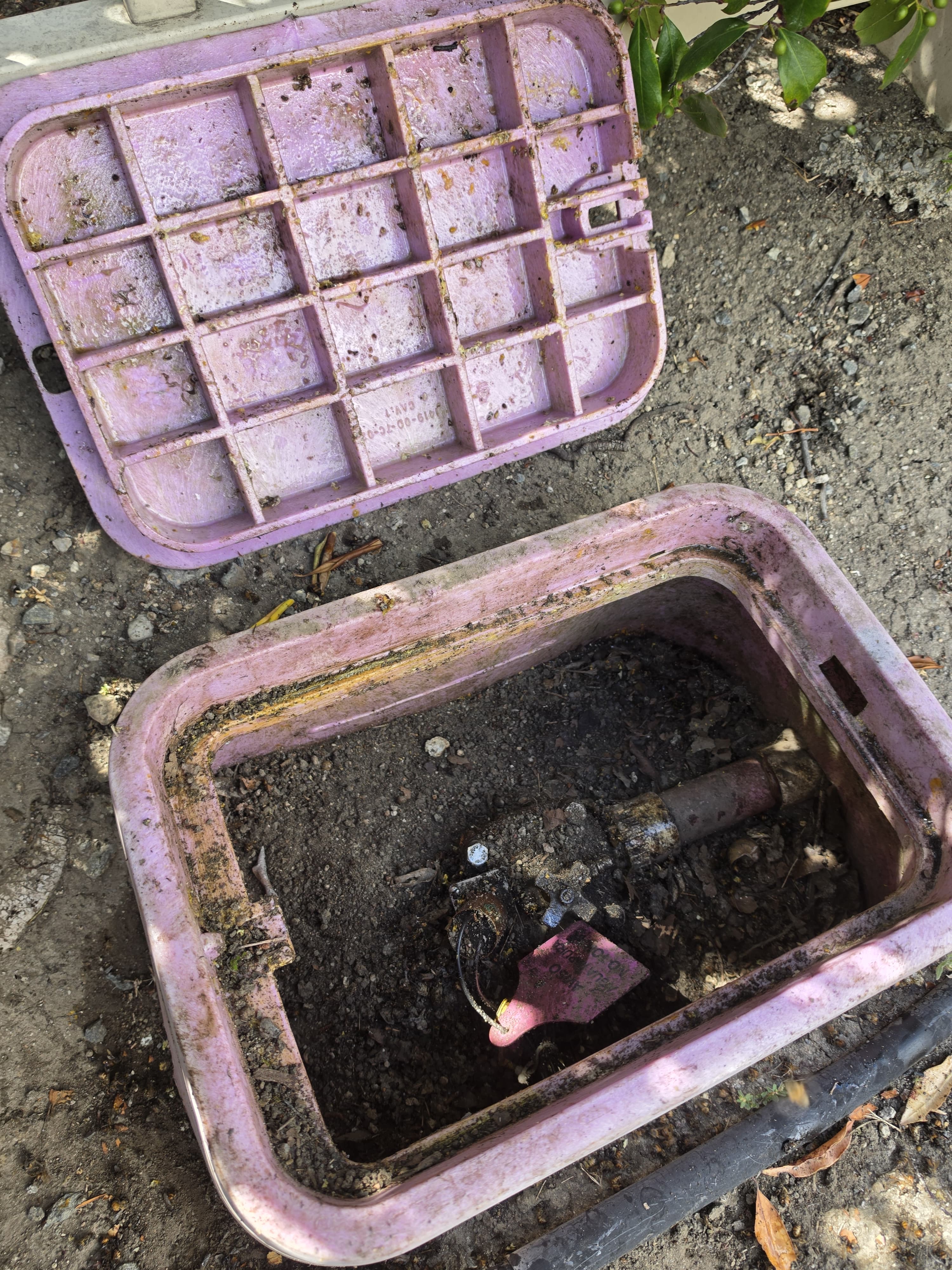
Every removal includes complete extraction and professional sealing.
Frequently Asked Questions
Nearby Cities
What our customers say
4.9 stars · 119 reviews
I can’t say enough good things about Steve and team! They came out on incredibly short notice when we were dealing with a stressful situation, and from the moment they arrived, they were professional, knowledgeable, and genuinely cared about doing the job right. What really stood out was how much they went above and beyond. They didn’t just handle the immediate issue—they took the time to thoroughly assess everything, explain the process, and make sure we felt comfortable every step of the way. Their attention to detail and work ethic were next-level. It’s rare to find a team this responsive, reliable, and committed to quality. I’m so grateful we found them and wouldn’t hesitate to recommend them to anyone dealing with a similar situation. Truly exceptional service.
They were incredible. Came out on super short notice, were extremely professional, and went above and beyond to handle everything thoroughly. You can tell they really care about doing the job right. So grateful we found them--highly recommend!
Steve is honest and fair. They do great work. I just used them and highly recommend them.