Sweat Bee
Tiny metallic green, attracted to skin
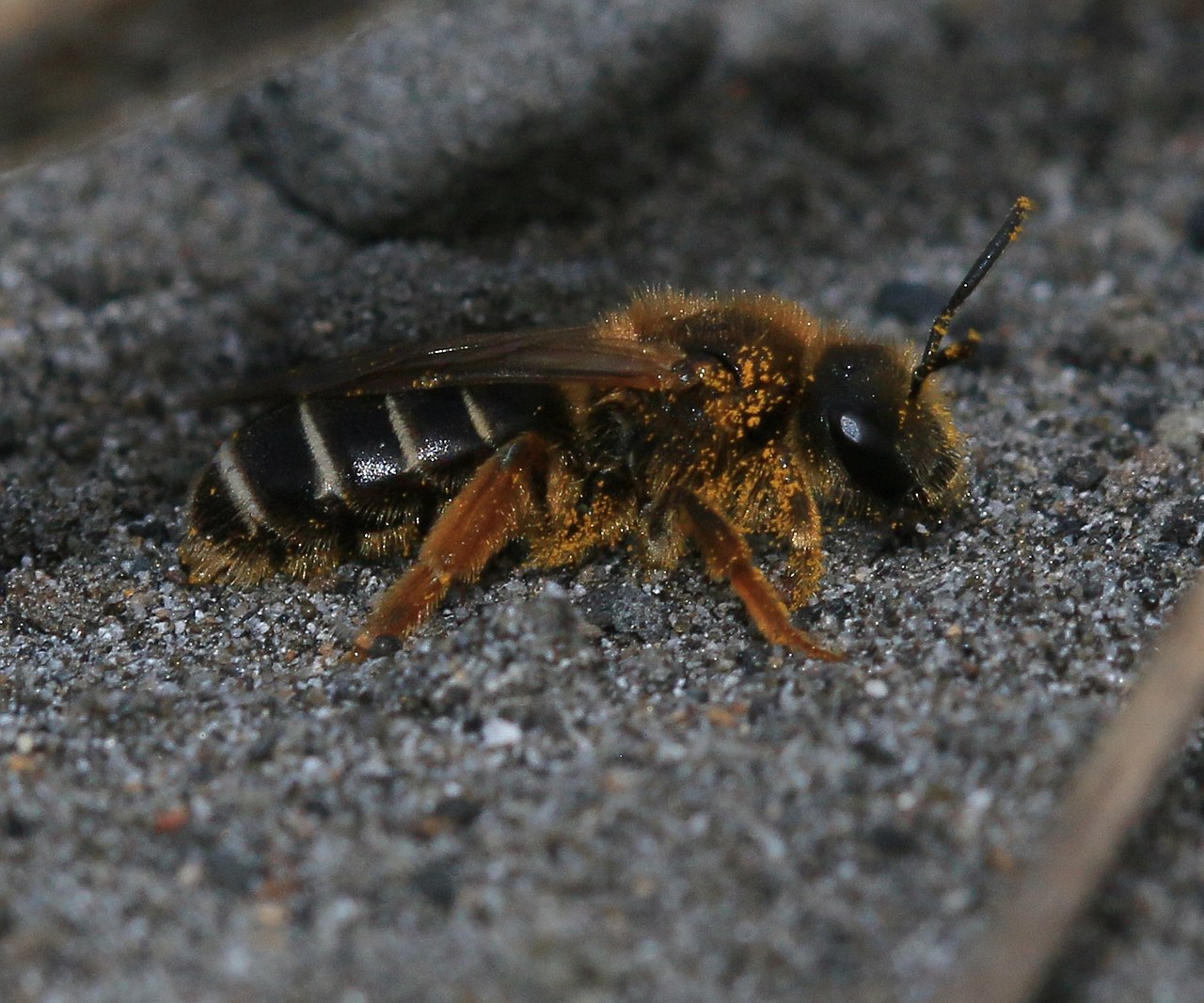
Individual
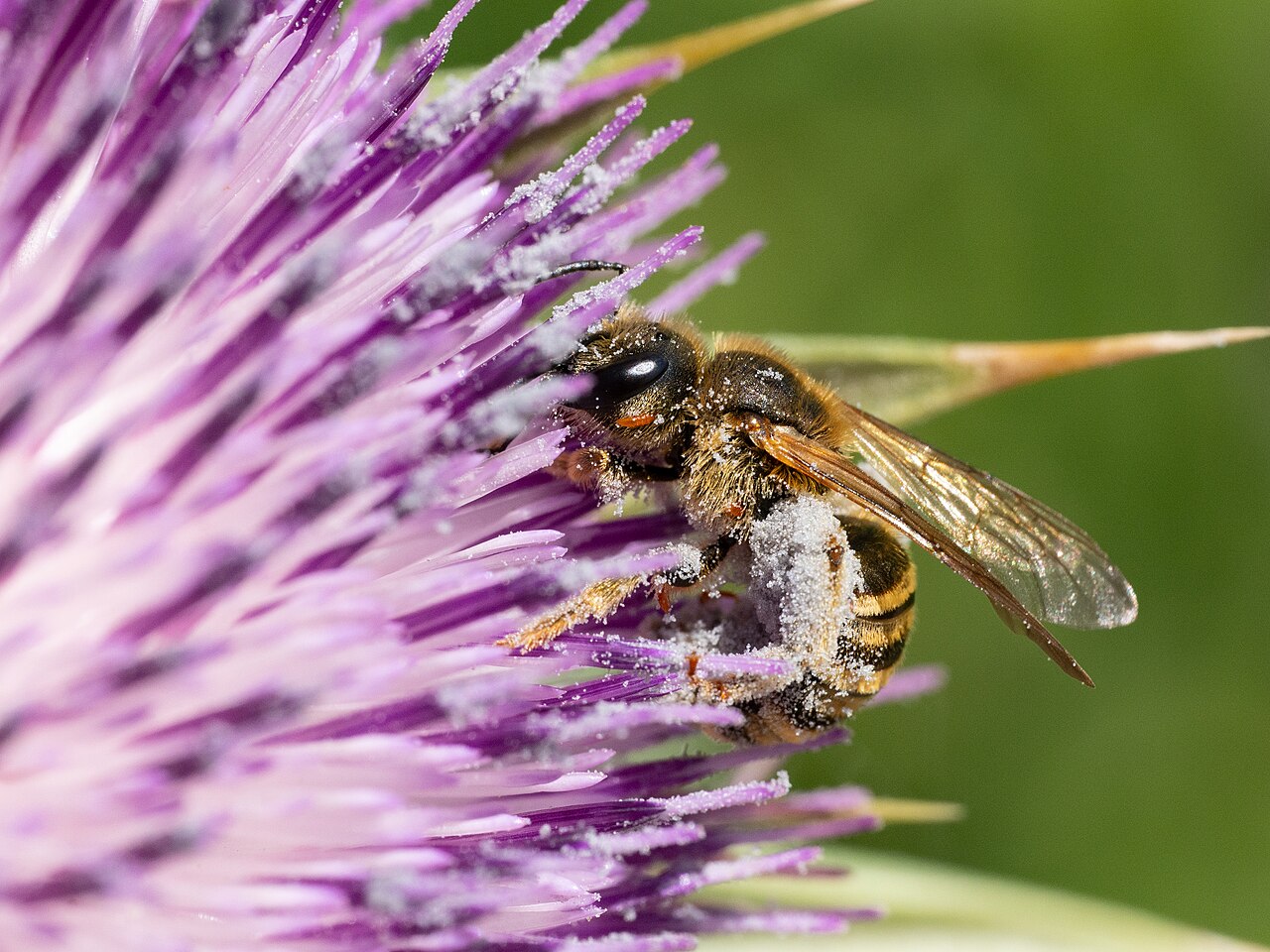
Swarm
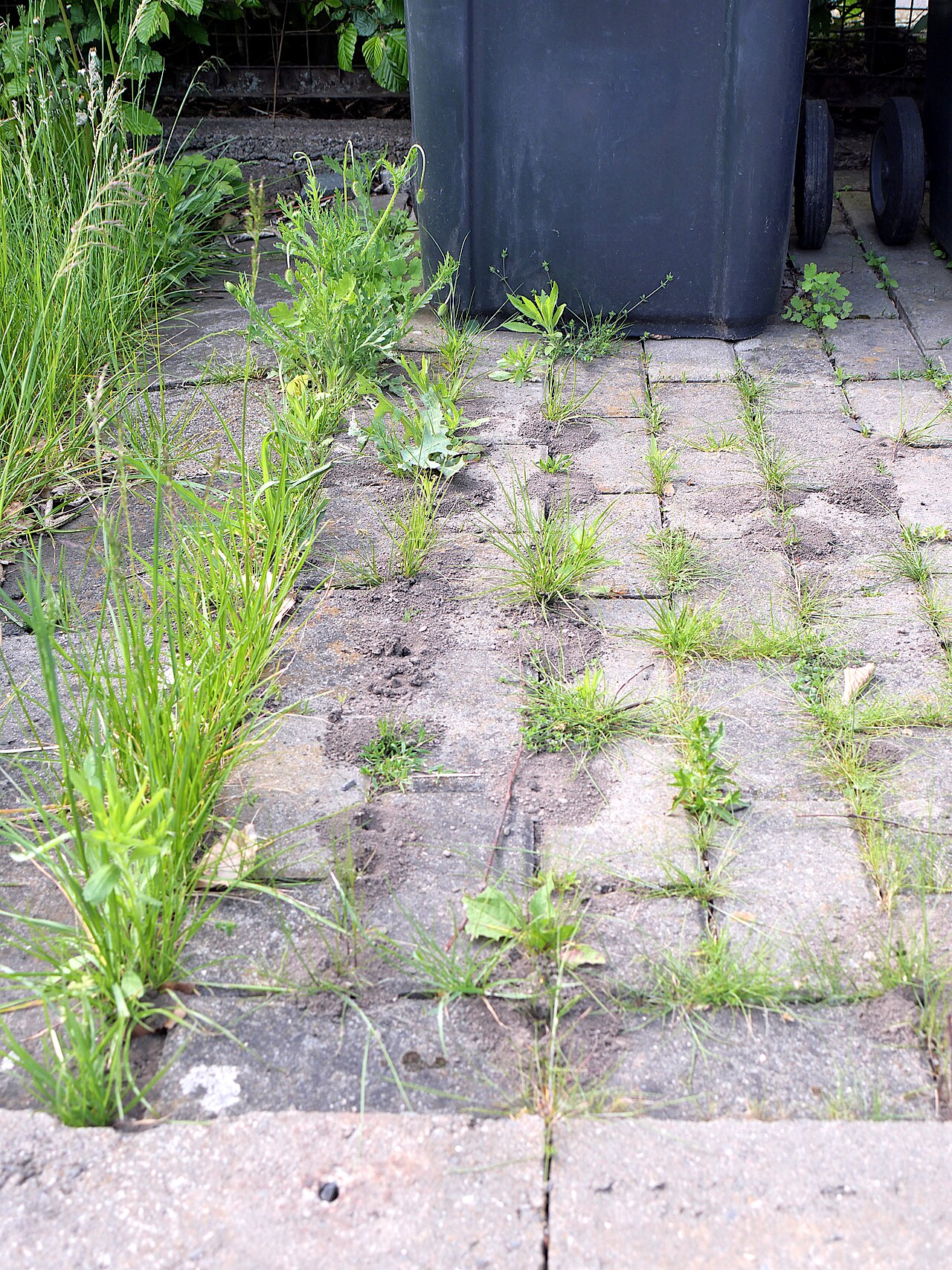
Nest / Hive
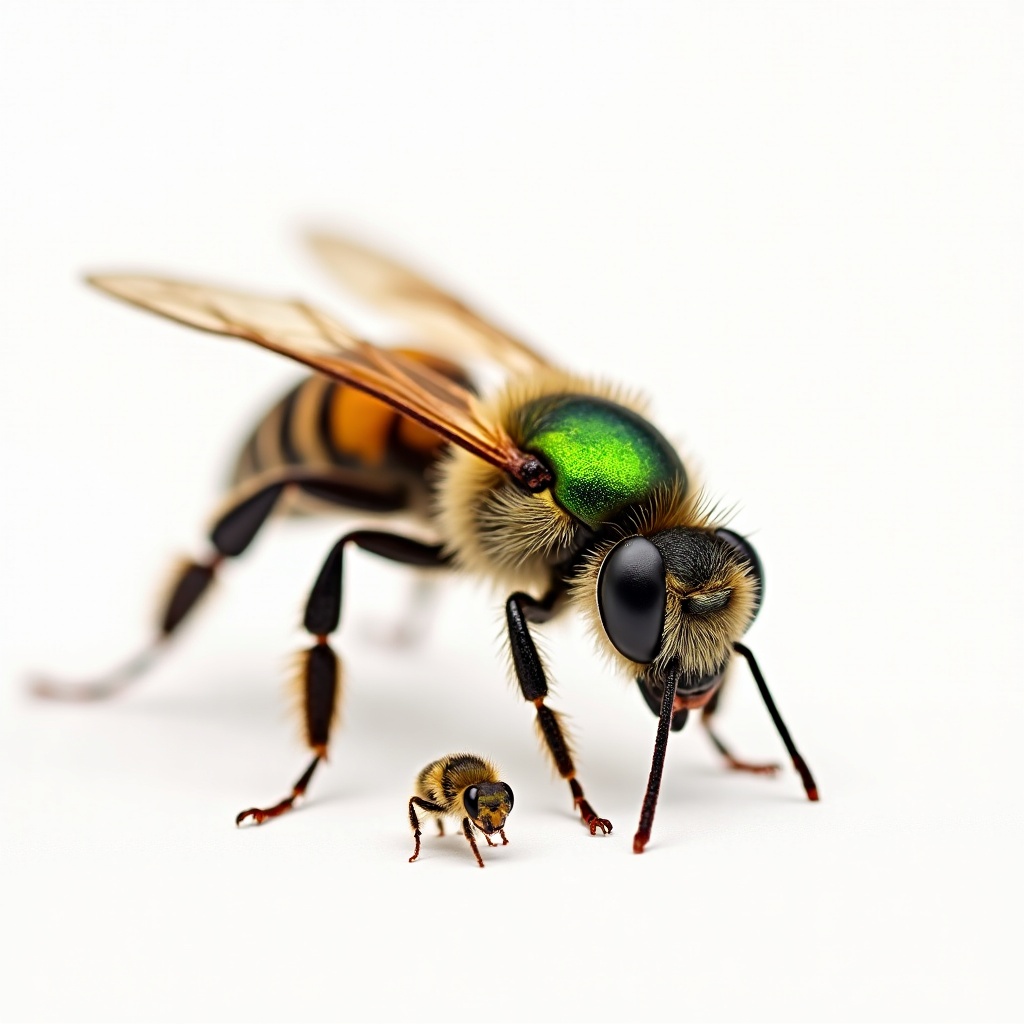
Wing / Body Pattern
What It Is
Sweat bee is the common name for a large family of small bees, the Halictidae, and they are among the most common bees across Middle Tennessee. They are called sweat bees because some species are drawn to human perspiration, landing on skin to collect salts, which is especially noticeable in the humid Tennessee summer. Size: 1/4 to 5/8 inch depending on species, generally small.
How to Identify
Many sweat bees are metallic green or greenish-black with some yellow banding, while some species are entirely black. The metallic sheen is distinctive for many of the common ones. Nest: most species nest in the ground, digging small tunnels in bare or sparsely vegetated soil. Some are solitary, while others are semi-social, with a few females sharing one entrance. Several small holes in a bare patch of soil in spring or summer may be sweat bees.
Behavior and Risk
Sweat bees are gentle. A bee collecting perspiration from your skin is foraging, not attacking. A female can sting if swatted or pressed against the skin, but will not otherwise, and the sting is mild compared with a honeybee or wasp. Sting risk is very low.
How to Handle
If sweat bees land on your skin, brush them off gently. Staying dry or wearing long sleeves reduces contact. Ground nests in garden beds or thin lawn can be discouraged by building up ground cover, since dense grass, mulch, or planting makes the soil less inviting. No removal is warranted.
Sweat bees and mason bees are both small native bees that are not removal situations. Sweat bees are often attracted to skin, while mason bees are not, and sweat bees nest in the ground while mason bees nest in holes in wood.
Frequently Asked Questions
Why is a bee landing on me?
If it is a small metallic green or black bee, it is almost certainly a sweat bee collecting salt from perspiration. It is foraging, not stinging. Gently brush it away if you prefer. It will not sting unless pressed directly against skin.
Can a sweat bee sting?
Female sweat bees can sting if directly pressed against skin, but they are extremely reluctant to do so and will not sting otherwise. The sting is mild. Males cannot sting.
Does Beecasso remove sweat bees?
Sweat bees are solitary native pollinators with no hive. Ground nests end seasonally on their own. If you are not sure what you are seeing, send us a photo.
What is the tiny metallic green bee in my garden?
Most likely a sweat bee. Small metallic green bees are common native pollinators across Middle Tennessee. They are beneficial visitors and not a problem. If you are unsure, send us a photo.
Should I remove sweat bees from my yard?
No. Sweat bees are beneficial pollinators. Their ground nests are small and end seasonally. There is no colony or hive to remove.
What our customers say
4.9 stars · 119 reviews
I can’t say enough good things about Steve and team! They came out on incredibly short notice when we were dealing with a stressful situation, and from the moment they arrived, they were professional, knowledgeable, and genuinely cared about doing the job right. What really stood out was how much they went above and beyond. They didn’t just handle the immediate issue—they took the time to thoroughly assess everything, explain the process, and make sure we felt comfortable every step of the way. Their attention to detail and work ethic were next-level. It’s rare to find a team this responsive, reliable, and committed to quality. I’m so grateful we found them and wouldn’t hesitate to recommend them to anyone dealing with a similar situation. Truly exceptional service.
They were incredible. Came out on super short notice, were extremely professional, and went above and beyond to handle everything thoroughly. You can tell they really care about doing the job right. So grateful we found them--highly recommend!
Steve is honest and fair. They do great work. I just used them and highly recommend them.