
Bee Removal in La Vergne, TN
La Vergne is one of the most industrially active communities in the Nashville metro, and that industrial-residential mix shapes its bee removal profile in ways that don't apply to purely suburban cities. Large warehouse and distribution center rooflines along Waldron Road and the I-24 corridor create structural cavity opportunities that residential construction doesn't offer: long parapet wall sections, roof equipment mounting points, and loading dock overhangs are all active bee nesting sites. At the same time, the residential neighborhoods west of Murfreesboro Pike toward Percy Priest Lake have older housing stock with the same mortar-gap brick and aging soffit conditions that drive residential calls across Middle Tennessee.
Insured
Live Humane Removal
Fast Local Response
20+ Years Experience
Our Services in La Vergne
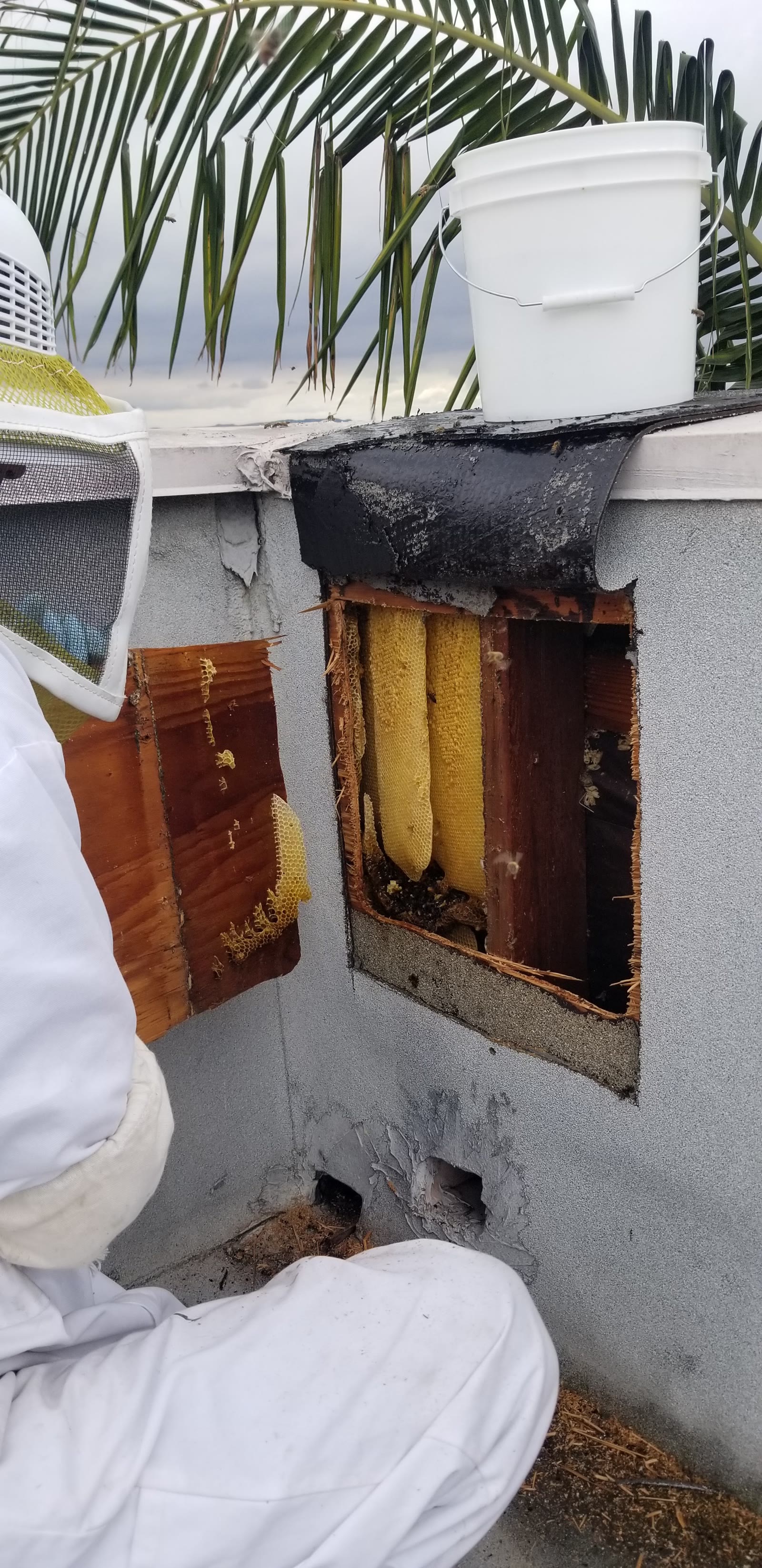
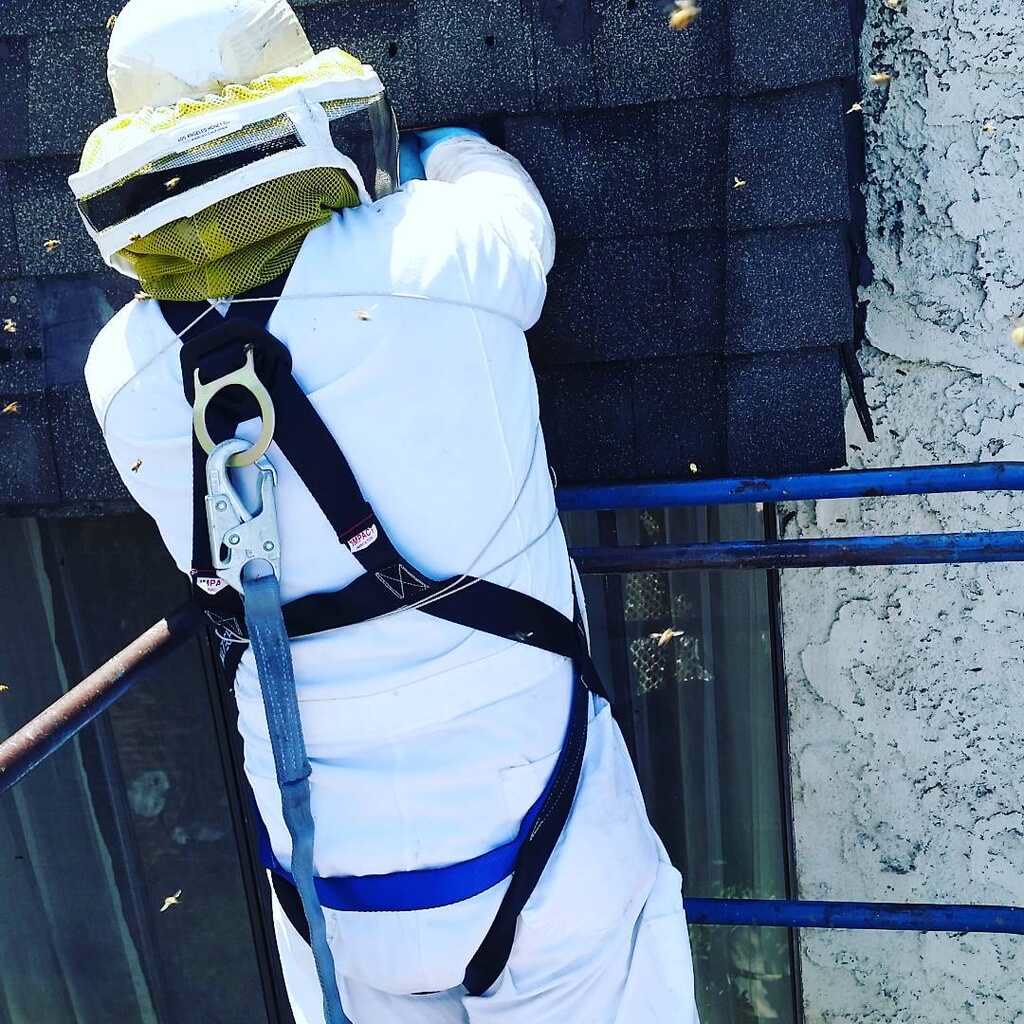
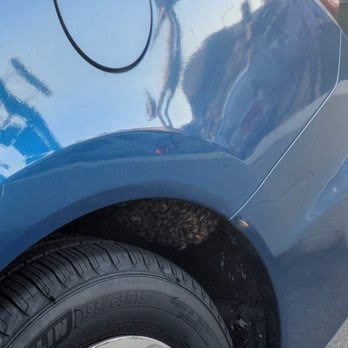
24/7 Emergency Bee Removal
Same-Day ResponseAggressive swarm or active hive in La Vergne? We respond same-day across Rutherford County.
Bee Activity in La Vergne
La Vergne's swarm season runs March through May with a secondary fall wave in September and October. Proximity to Percy Priest Lake and its tributary drainages brings hardwood-corridor feral colony migration into the residential zones each spring. The warehouse district on the eastern side of the city sees swarm pressure as exposed roof cavities and equipment structures attract scouts looking for established sites well outside the typical residential context. Humane live removal in La Vergne applies equally to residential and commercial jobs: the same live-extraction and relocation approach regardless of structure type.
Before and After
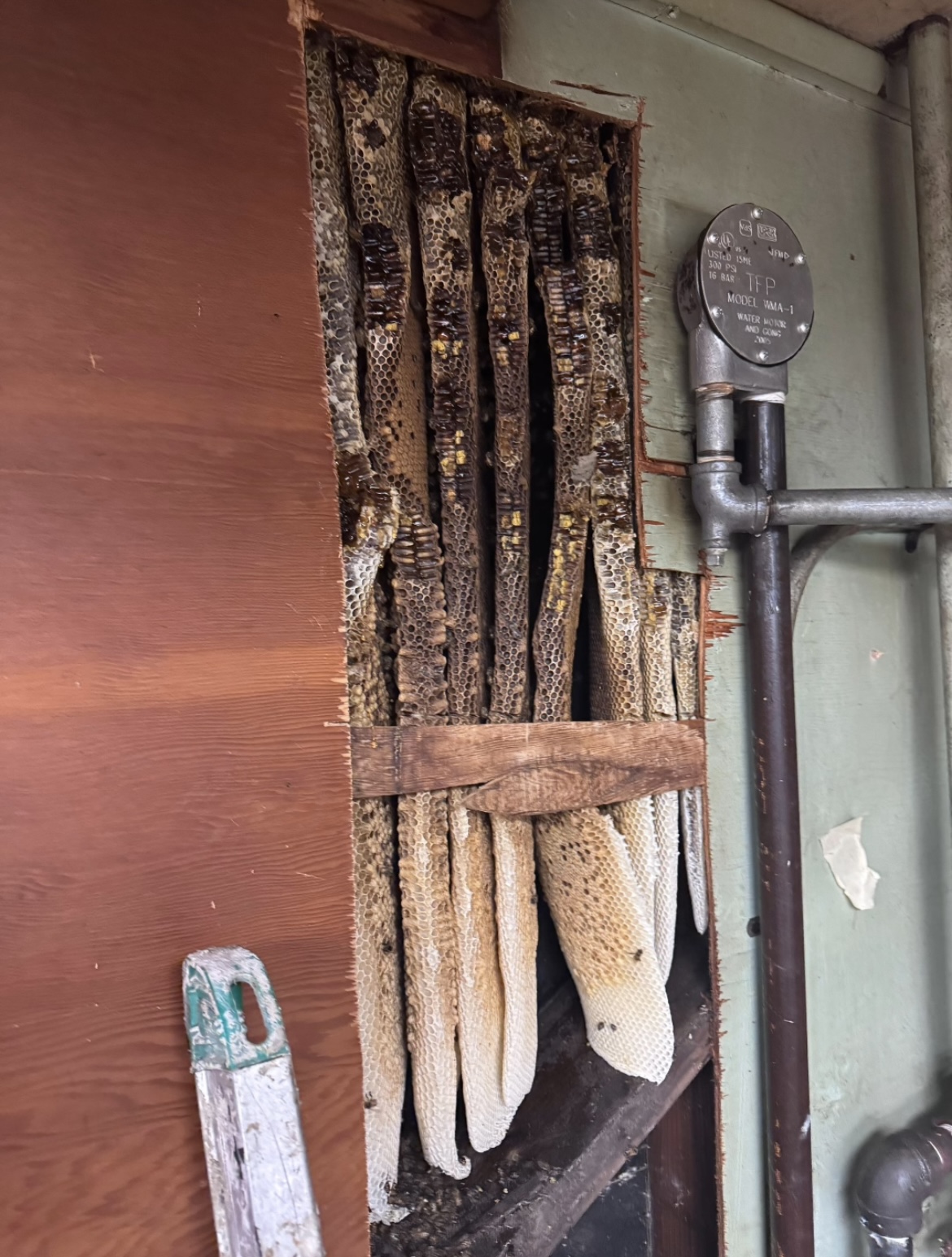
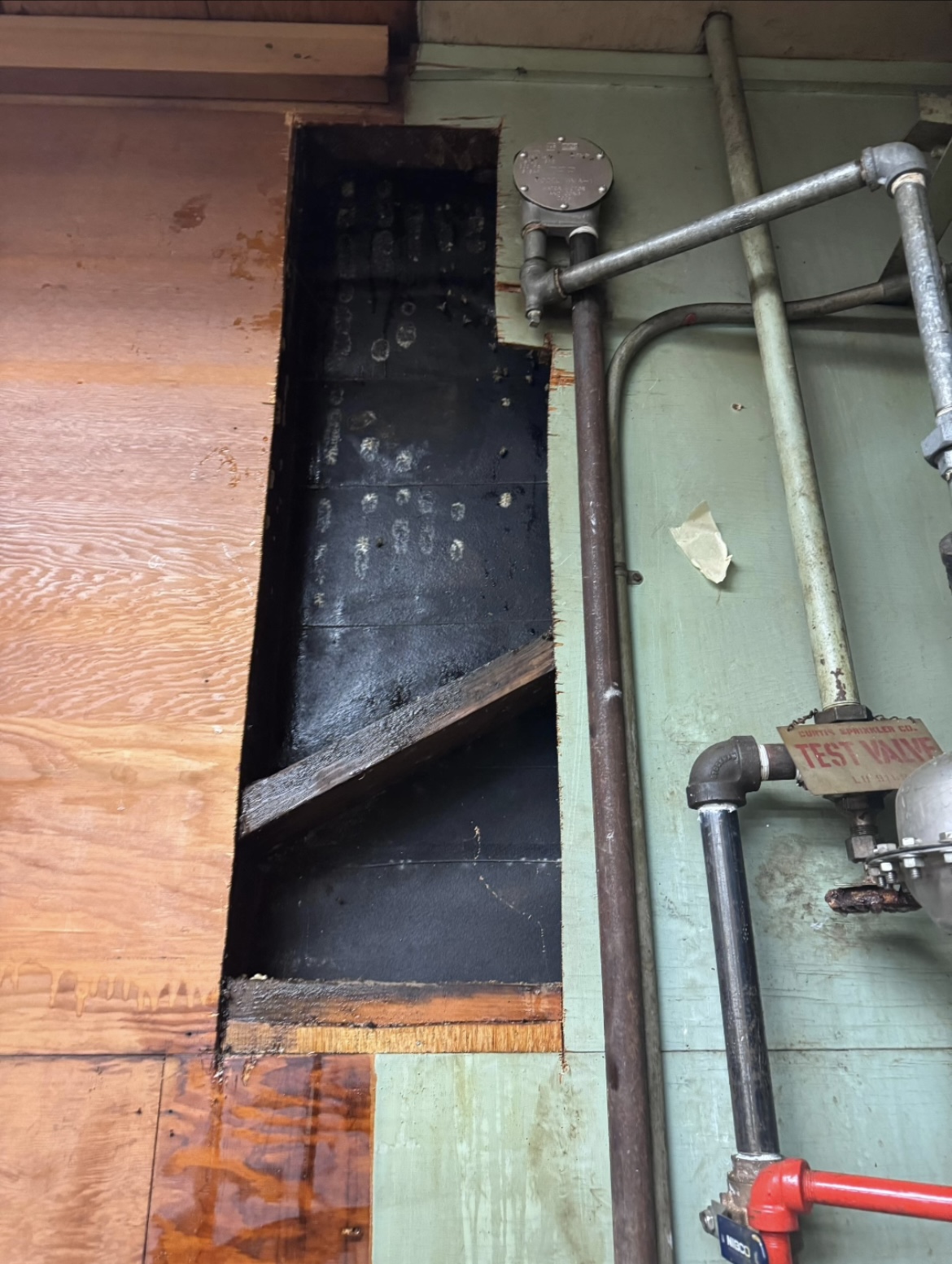
Every removal includes complete extraction and professional sealing.
Frequently Asked Questions
Nearby Cities
What our customers say
4.9 stars · 119 reviews
I can’t say enough good things about Steve and team! They came out on incredibly short notice when we were dealing with a stressful situation, and from the moment they arrived, they were professional, knowledgeable, and genuinely cared about doing the job right. What really stood out was how much they went above and beyond. They didn’t just handle the immediate issue—they took the time to thoroughly assess everything, explain the process, and make sure we felt comfortable every step of the way. Their attention to detail and work ethic were next-level. It’s rare to find a team this responsive, reliable, and committed to quality. I’m so grateful we found them and wouldn’t hesitate to recommend them to anyone dealing with a similar situation. Truly exceptional service.
They were incredible. Came out on super short notice, were extremely professional, and went above and beyond to handle everything thoroughly. You can tell they really care about doing the job right. So grateful we found them--highly recommend!
Steve is honest and fair. They do great work. I just used them and highly recommend them.