Bumblebee
Large, round, very fuzzy : yellow and black
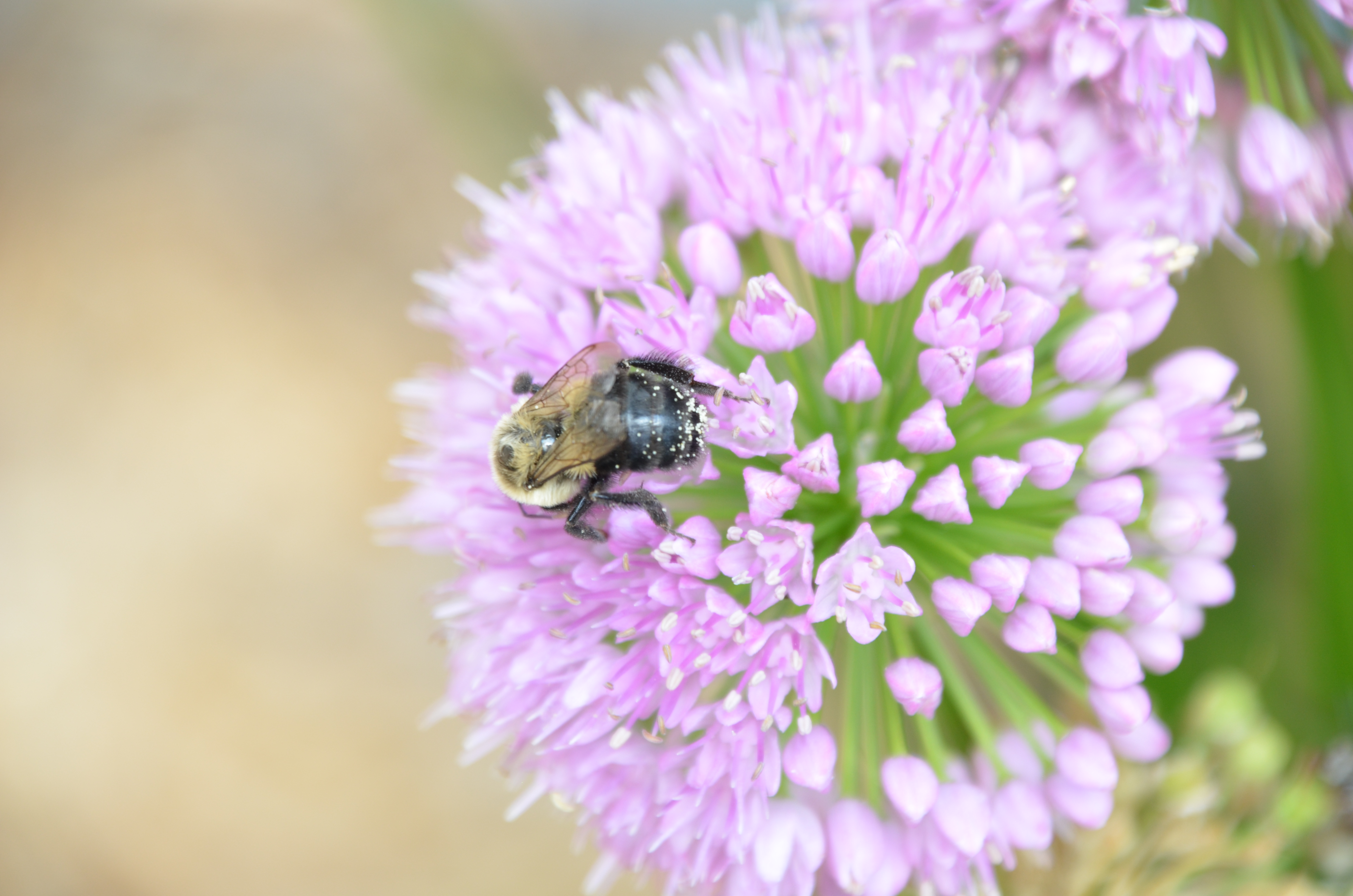
Individual
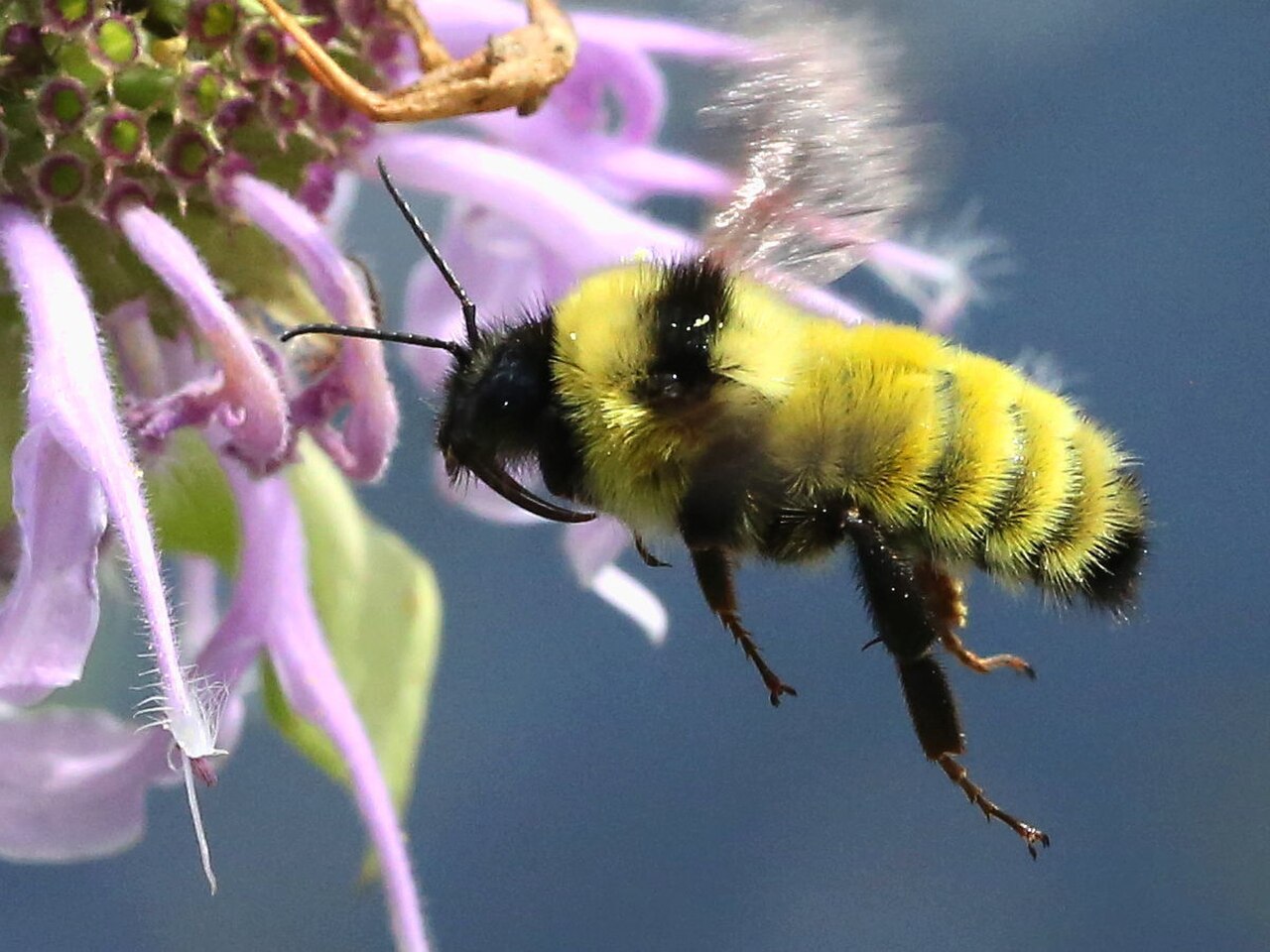
Swarm
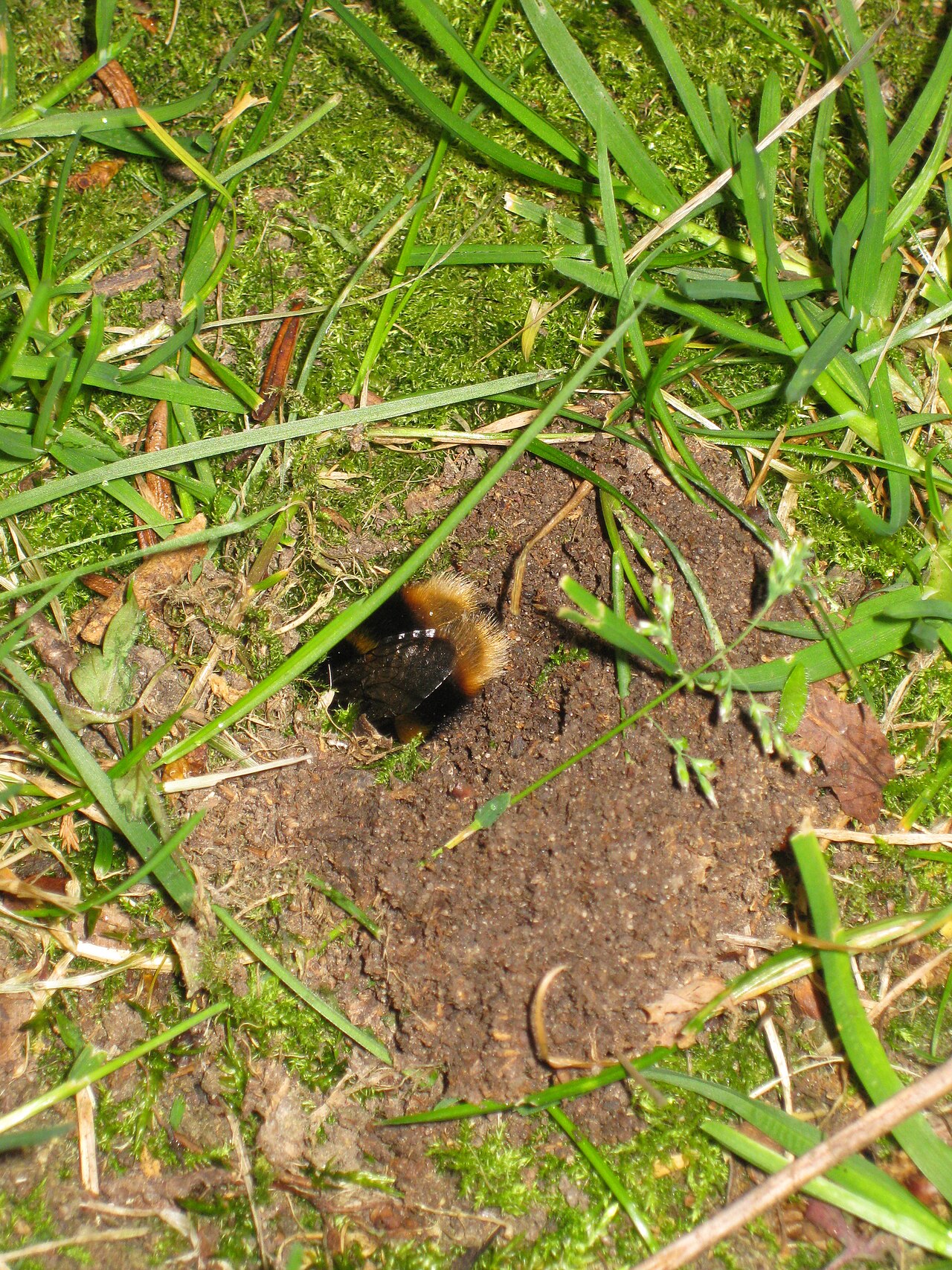
Nest / Hive
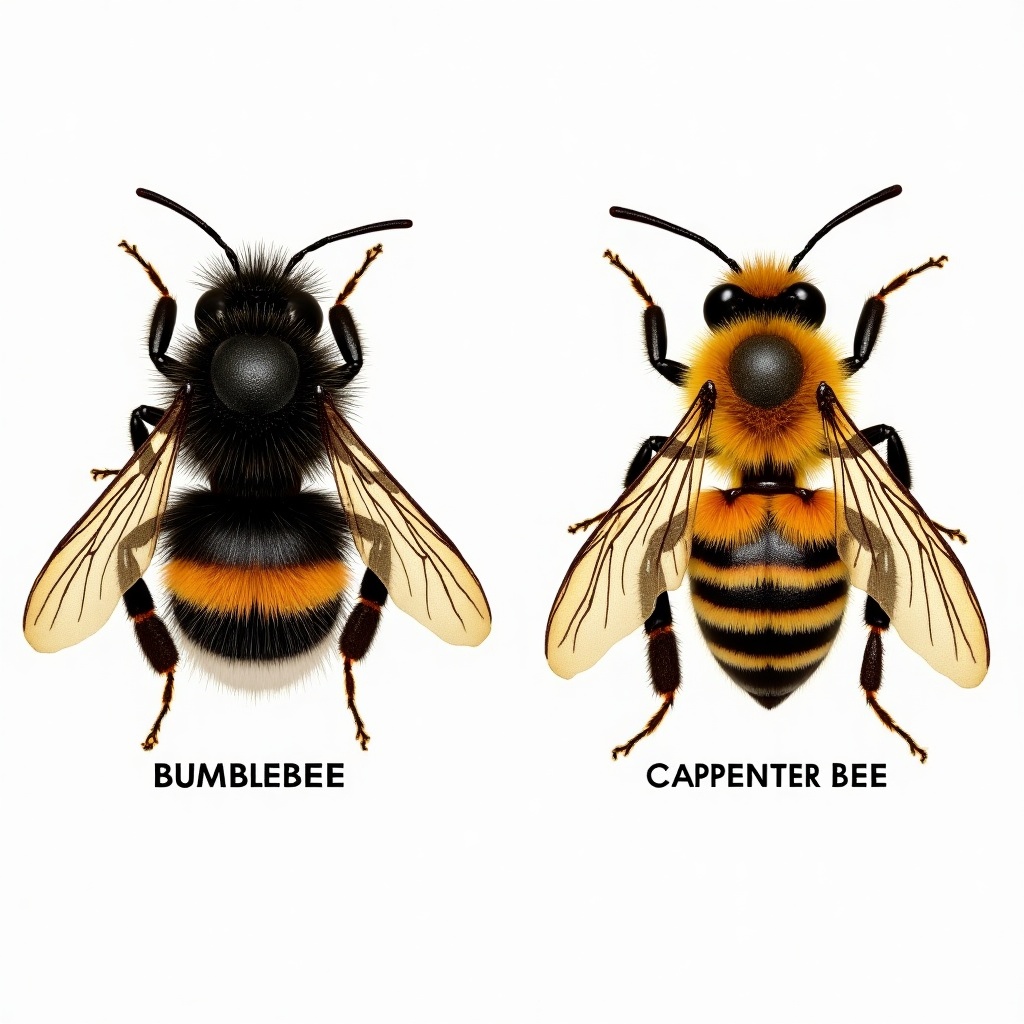
Wing / Body Pattern
What It Is
Bumblebees are large native bees in the genus Bombus, found across North America including both Southern California and the Nashville area. Unlike honeybees, bumblebee colonies are annual: they grow through spring and summer, peak in late summer, and die in fall. Only the mated queens survive winter to start new colonies the following spring. This annual cycle is a critical practical fact for homeowners. Size: 3/4 to 1 inch, noticeably larger and rounder than a honeybee.
How to Identify
Bumblebees are large, round, and densely fuzzy throughout the body, including the abdomen. This all-over fuzz is the main visual distinguisher from carpenter bees, which are similar in size but have a smooth, shiny abdomen. Color: typically black and yellow banding, though specific patterns vary by species. Nest: most commonly underground in abandoned rodent burrows, compost heaps, or loose soil near the surface. Sometimes in wall voids or attic insulation. Colony size is small, 50 to 400 bees, not tens of thousands.
Behavior and Risk
Bumblebees are generally docile relative to their size. They will sting if the nest is directly disturbed, but they are far less defensive than yellowjackets and do not mobilize in the large numbers that honeybees do. Unlike honeybees, bumblebees do not have barbed stingers. Females can sting more than once. Males cannot sting. The annual die-off in fall is an important practical point: a bumblebee colony that is not in an immediately dangerous location will naturally end by late fall.
How to Handle
If you find a bumblebee nest in a low-risk location, away from foot traffic, monitoring through the season is often the appropriate choice. The colony will end naturally in fall. If the nest is in a high-traffic area or poses an immediate risk to someone with a bee allergy, contact us for an assessment. Do not spray or disturb the nest.
The most common bumblebee misidentification is the carpenter bee. Both are large and black and yellow. The distinguisher is the abdomen: bumblebee abdomens are fuzzy; carpenter bee abdomens are smooth and shiny.
Frequently Asked Questions
Will bumblebees leave on their own?
Yes, in fall. Bumblebee colonies die off as temperatures drop, and only the mated queen survives. If the nest is in a safe location, waiting out the season is a reasonable approach.
Do bumblebees sting?
Female bumblebees can sting and will do so if the nest is directly disturbed. Males cannot sting. Unprovoked stinging away from the nest is uncommon.
Does Beecasso remove bumblebees?
Bumblebees are important native pollinators. Given their protected status and brief seasonal presence, the right approach depends on nest location and situation. Send us a photo for a free ID and to discuss your options.
Why are bumblebees important?
Bumblebees are highly effective pollinators for many plants and crops. Their populations have declined significantly in recent decades due to habitat loss, pesticide use, and disease. This is why we approach removal of bumblebees conservatively and assess each situation individually.
Is a bumblebee the same as a carpenter bee?
No. Both are large, but the distinction is clear: bumblebee abdomens are fully fuzzy; carpenter bee abdomens are smooth and shiny black. Bumblebees typically nest in the ground; carpenter bees drill round holes in wood.