Bees in your home are stressful. We remove them humanely, relocate the entire colony, and seal the entry so they do not return.
Common Situations
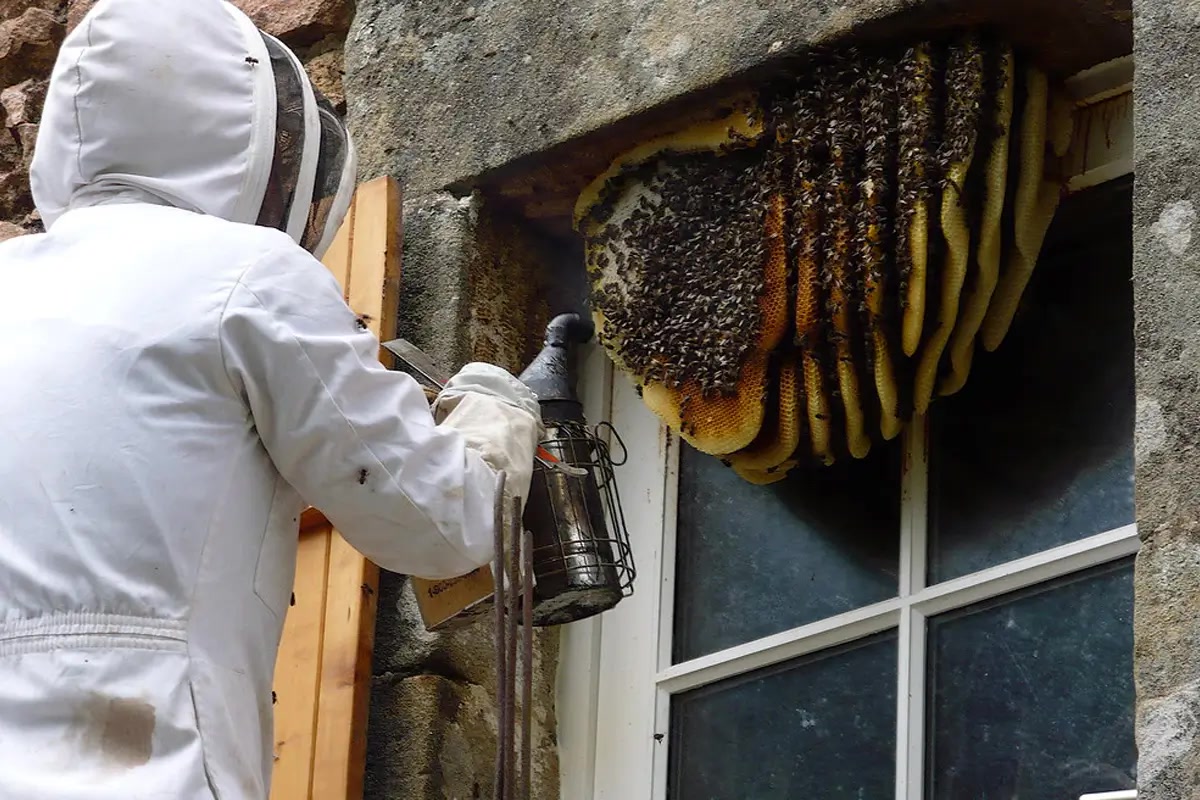
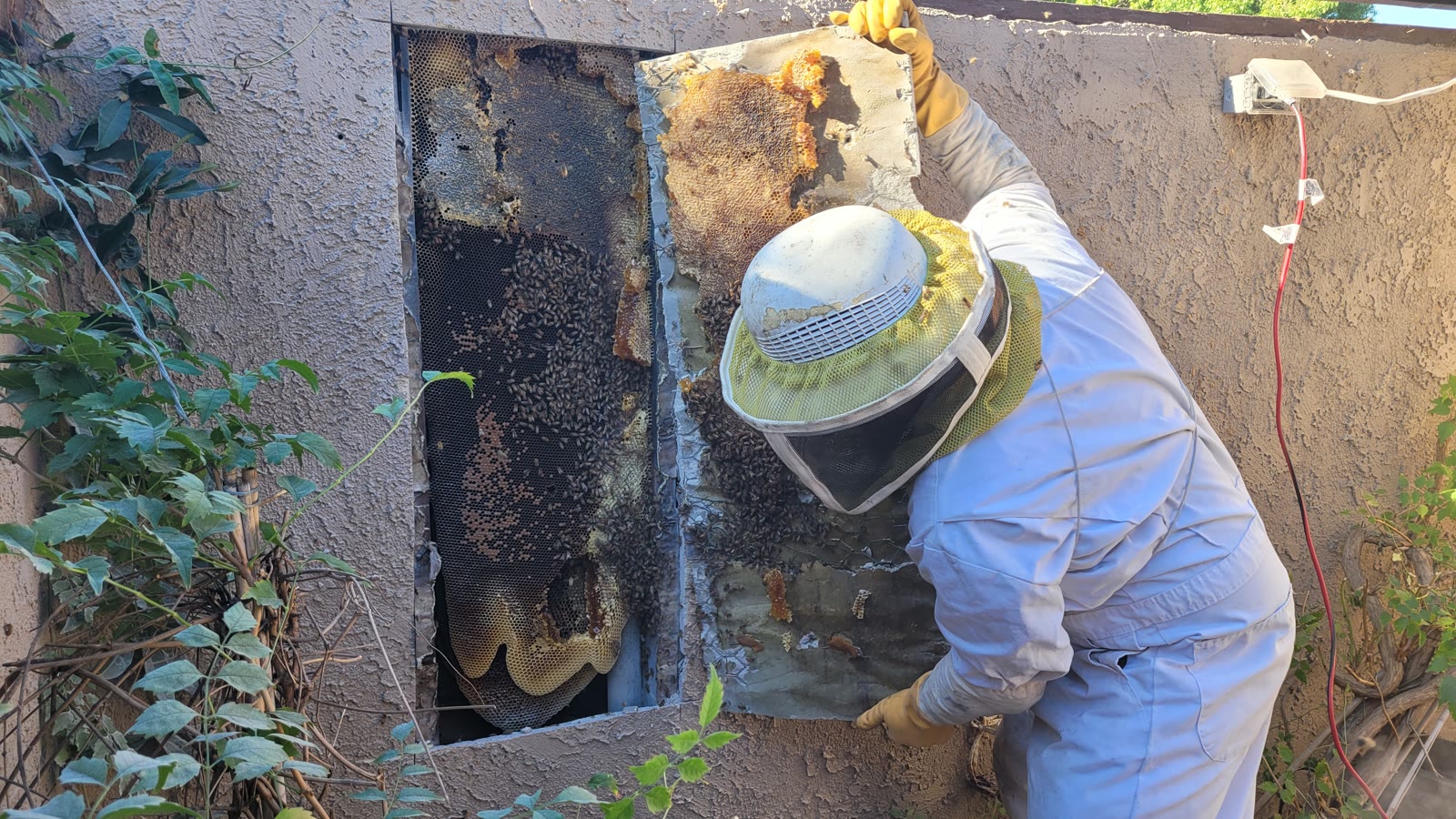
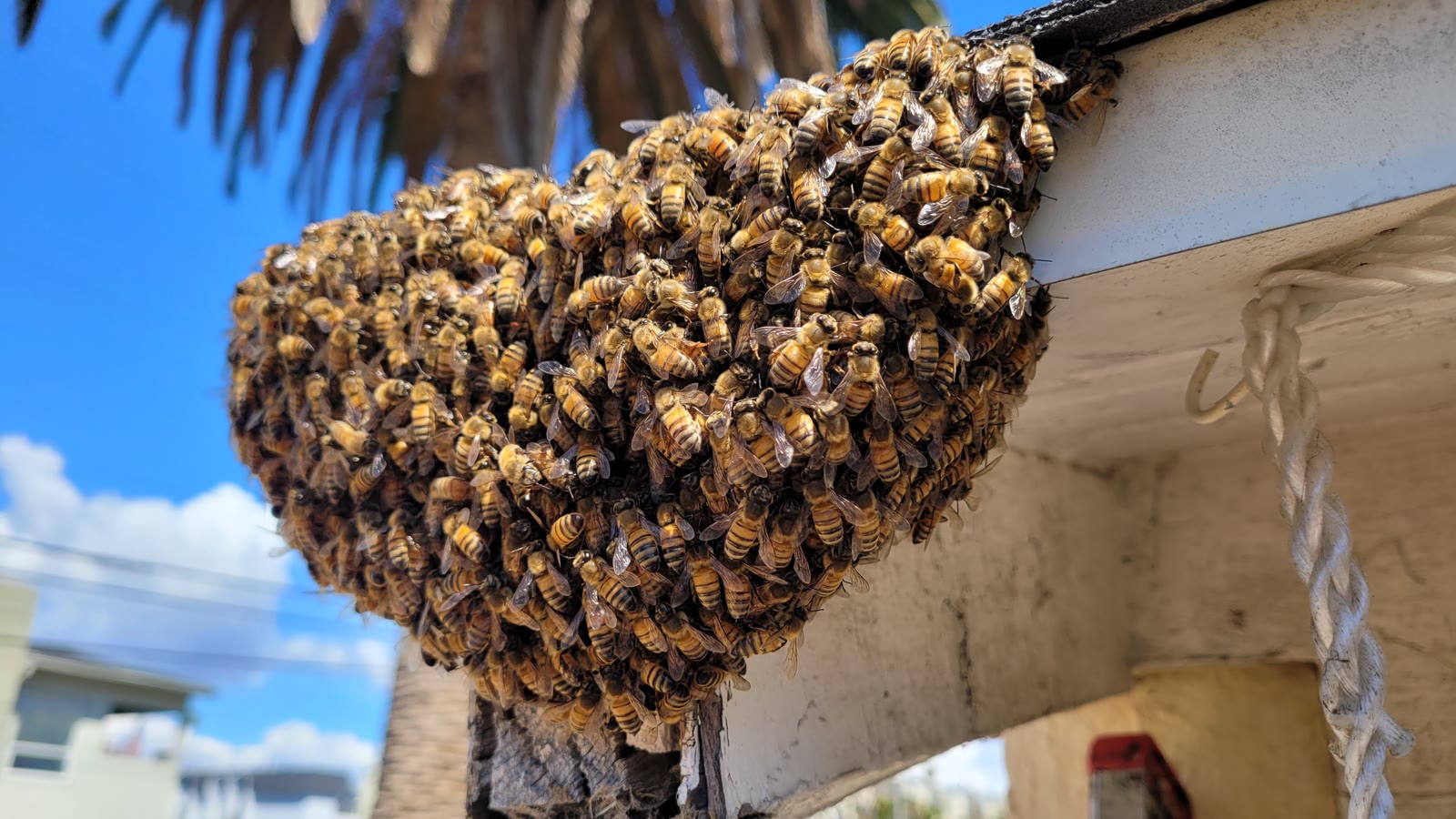
Bees in Walls and Eaves
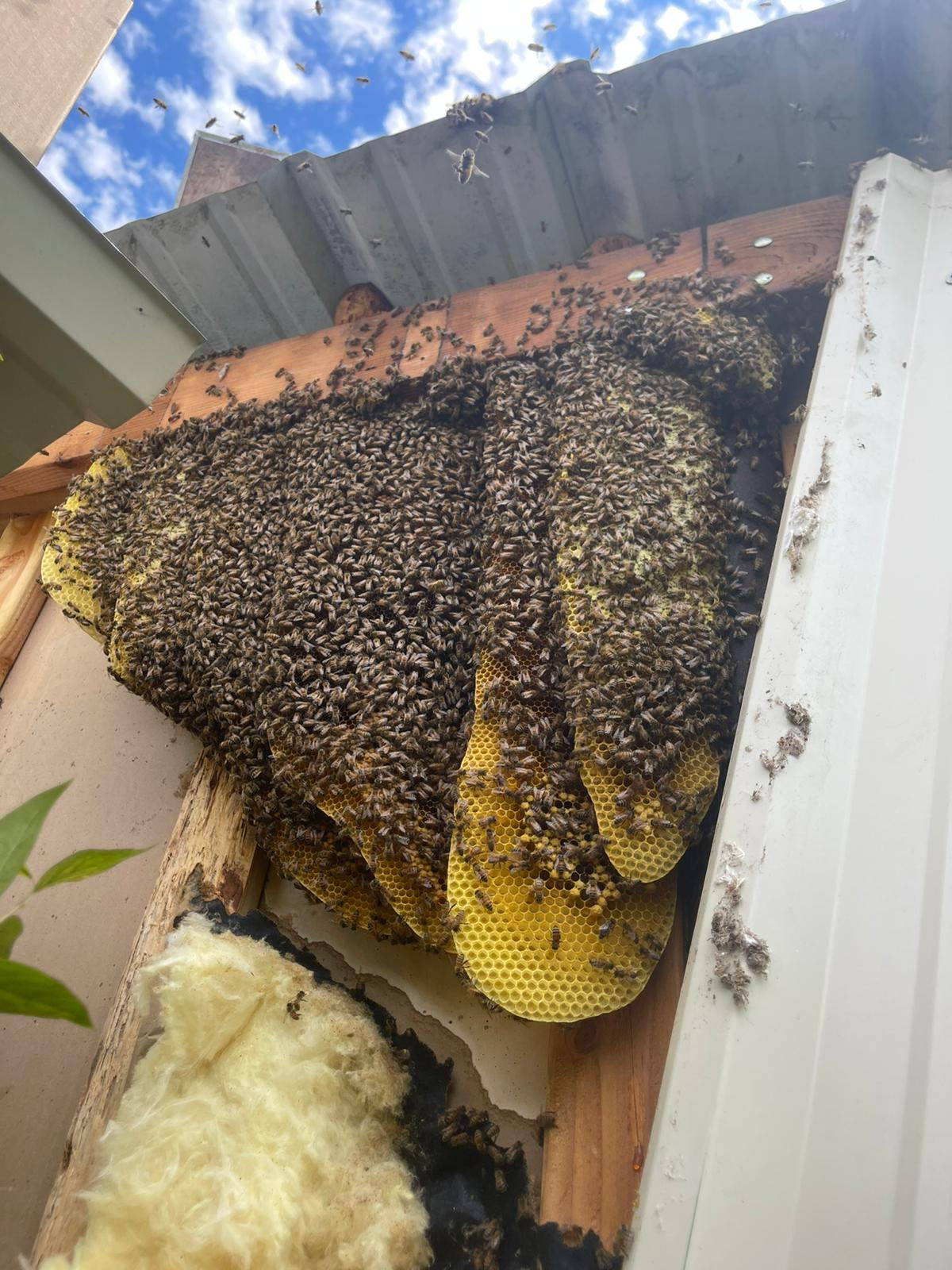
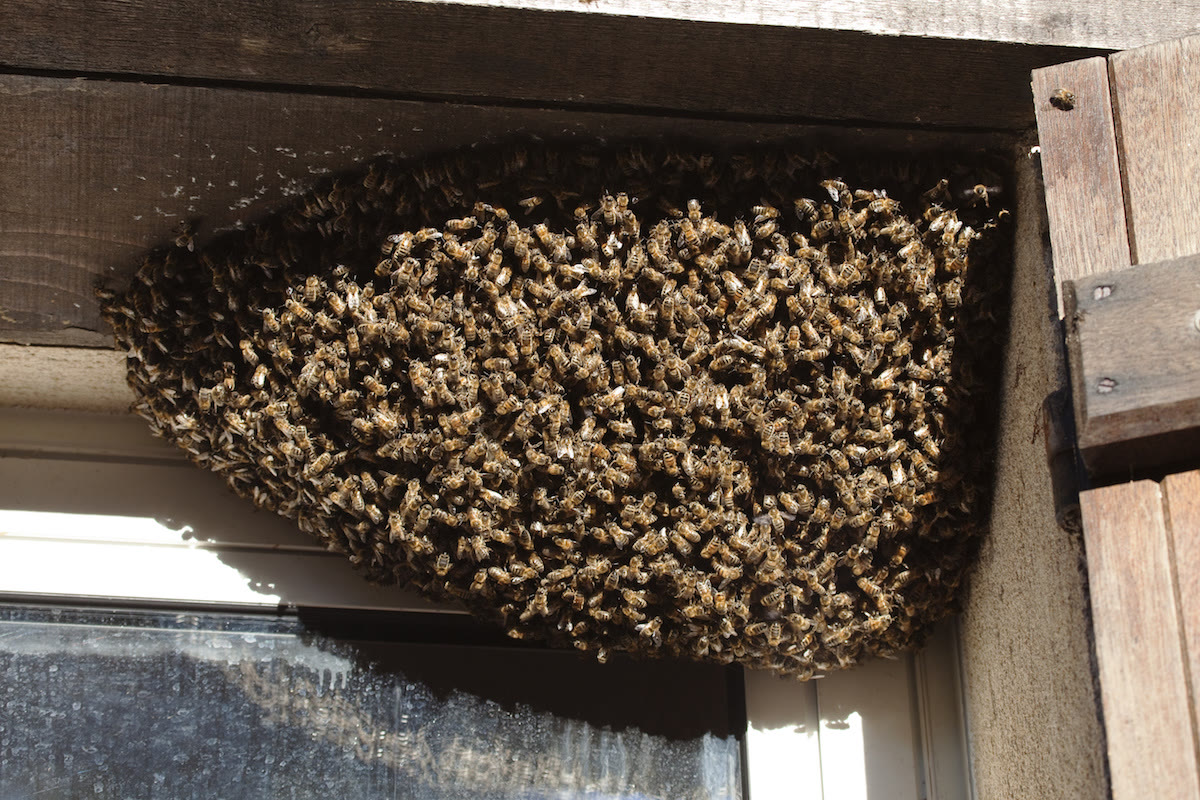
Honeybee colonies often establish themselves inside wall cavities and under eaves. We open the structure carefully, extract the colony and all honeycomb, then seal the opening.
Attic Colonies
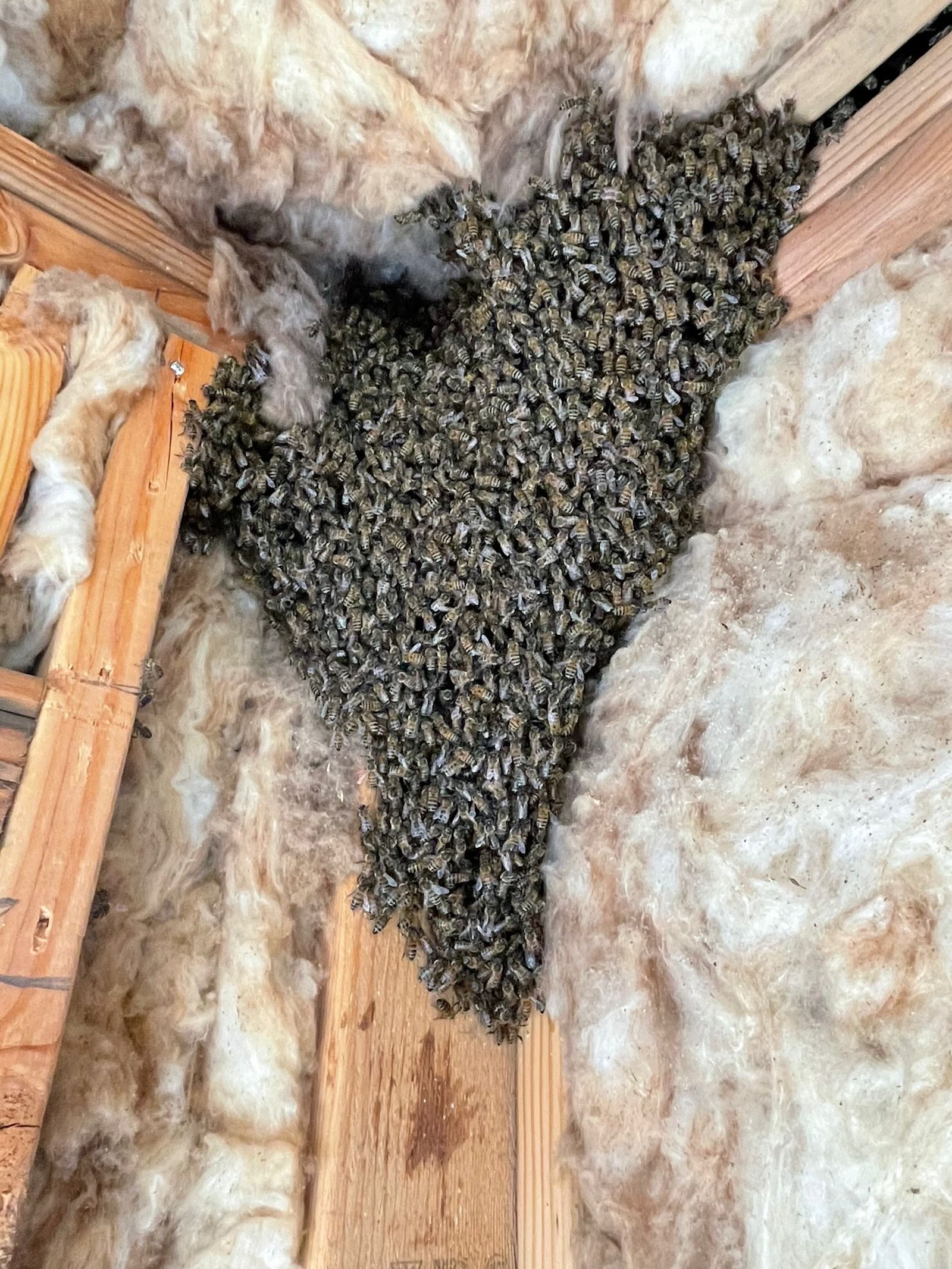
Attic infestations can grow undetected for months. We access the colony through the attic space, remove everything, and clean the area to prevent future attraction.
Crawl Spaces and Floors
Bees that nest under floors or in crawl spaces require careful access planning. We remove these colonies with minimal disruption to your home.
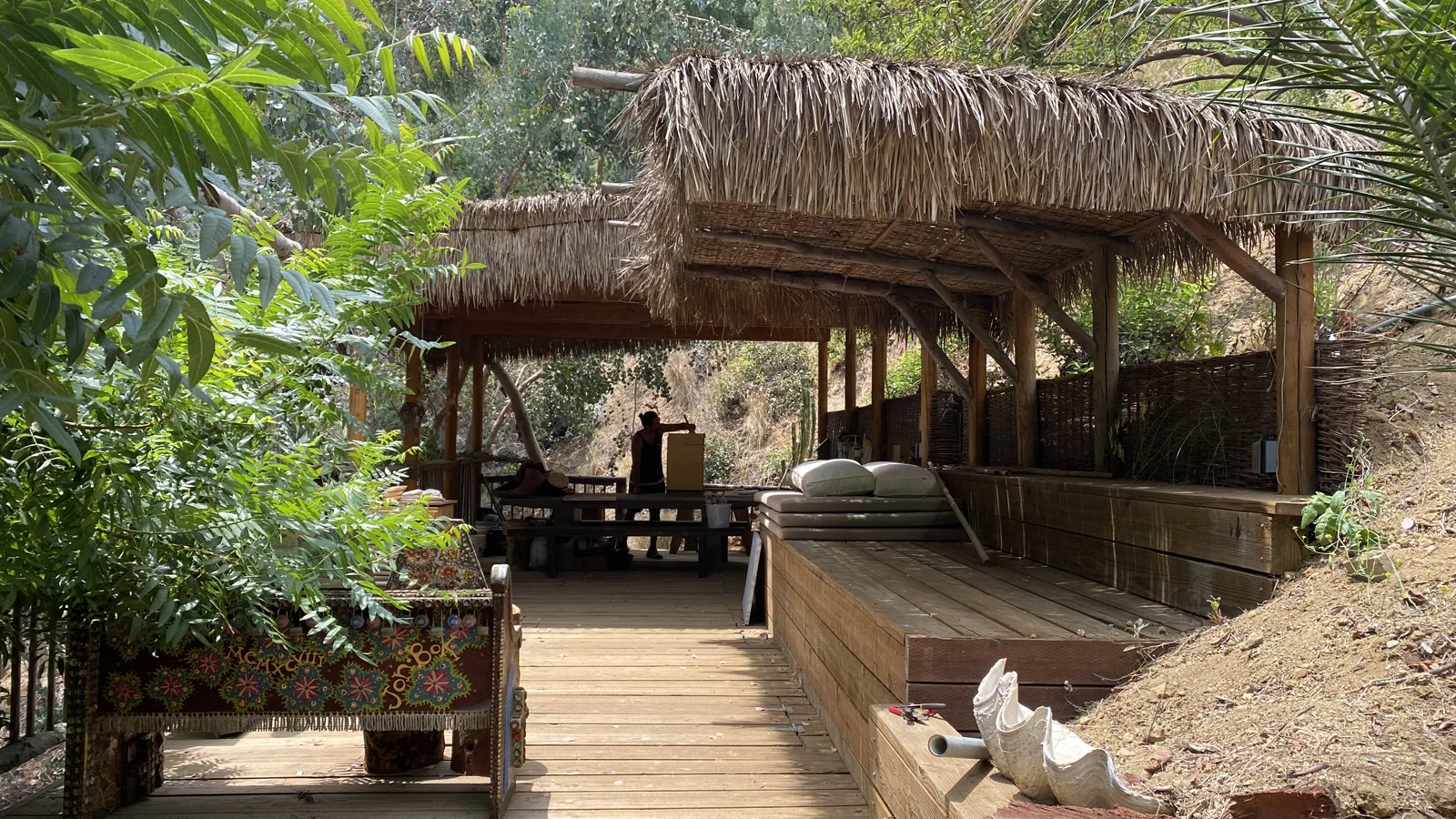
Yard and Landscape
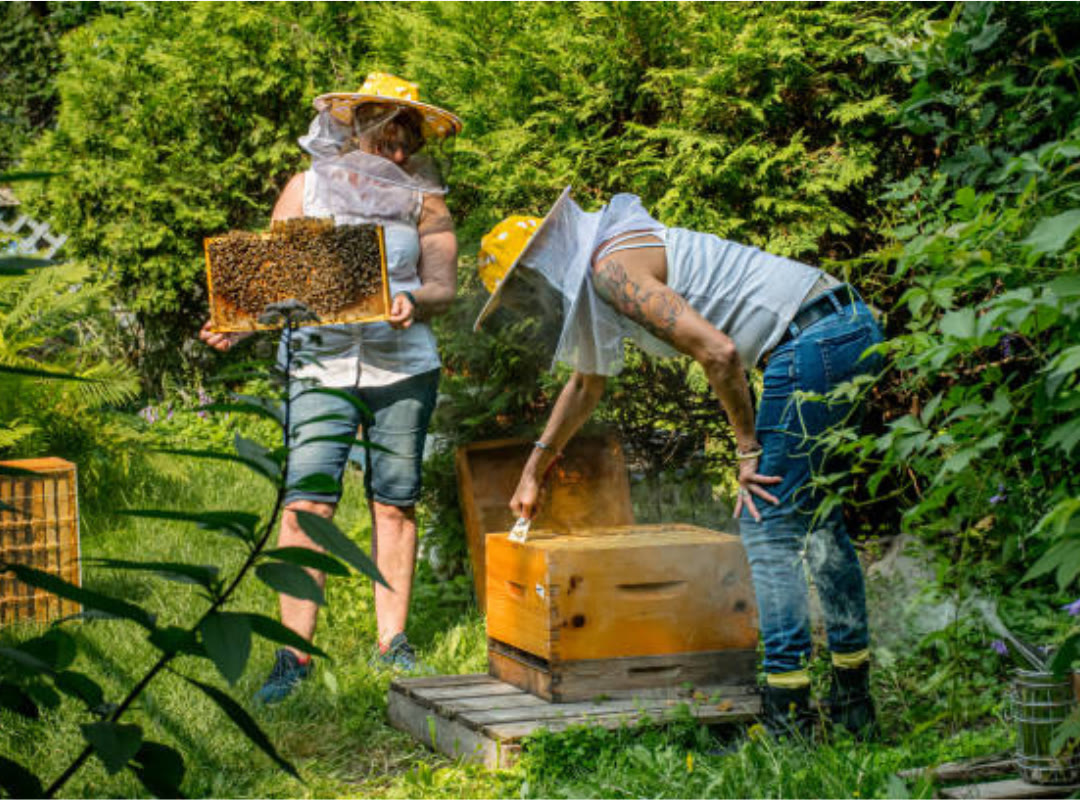
Ground nests, tree cavities, water meter boxes, and landscape structures. We relocate outdoor colonies without damage to your yard.
Chimney and Roof
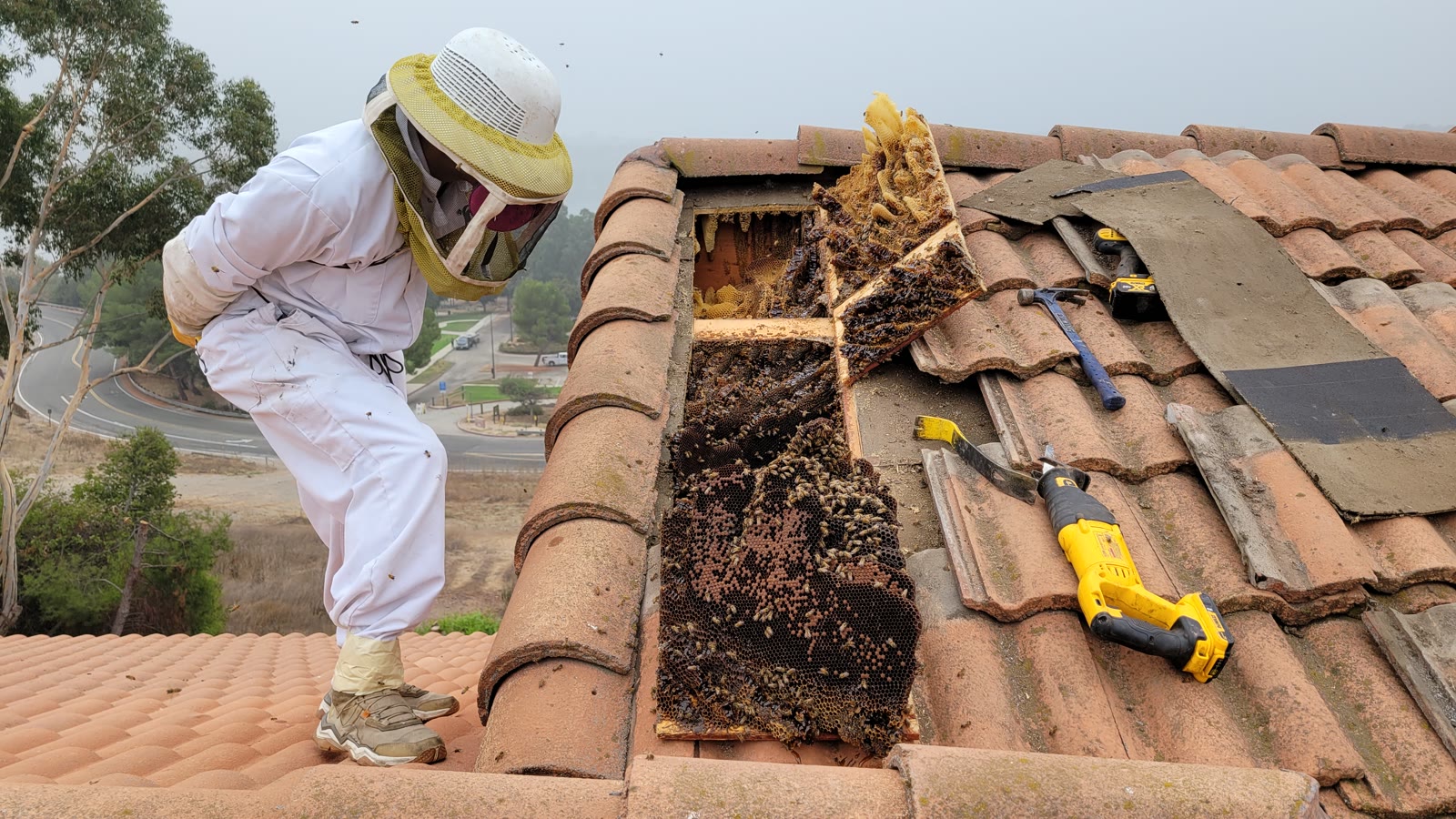
Colonies in chimneys and roof structures are common in older homes. We extract them safely and seal the entry points.
Garage and Shed
Outbuildings provide sheltered nesting spots. We remove colonies from garages, sheds, and detached structures.
What to Expect
1
Contact Us
Call or submit a request through our contact form. Photos of the bee activity help us prepare.
2
Free Inspection
We visit your home, locate the colony, and give you a clear quote before any work begins. No surprises.
3
Live Removal
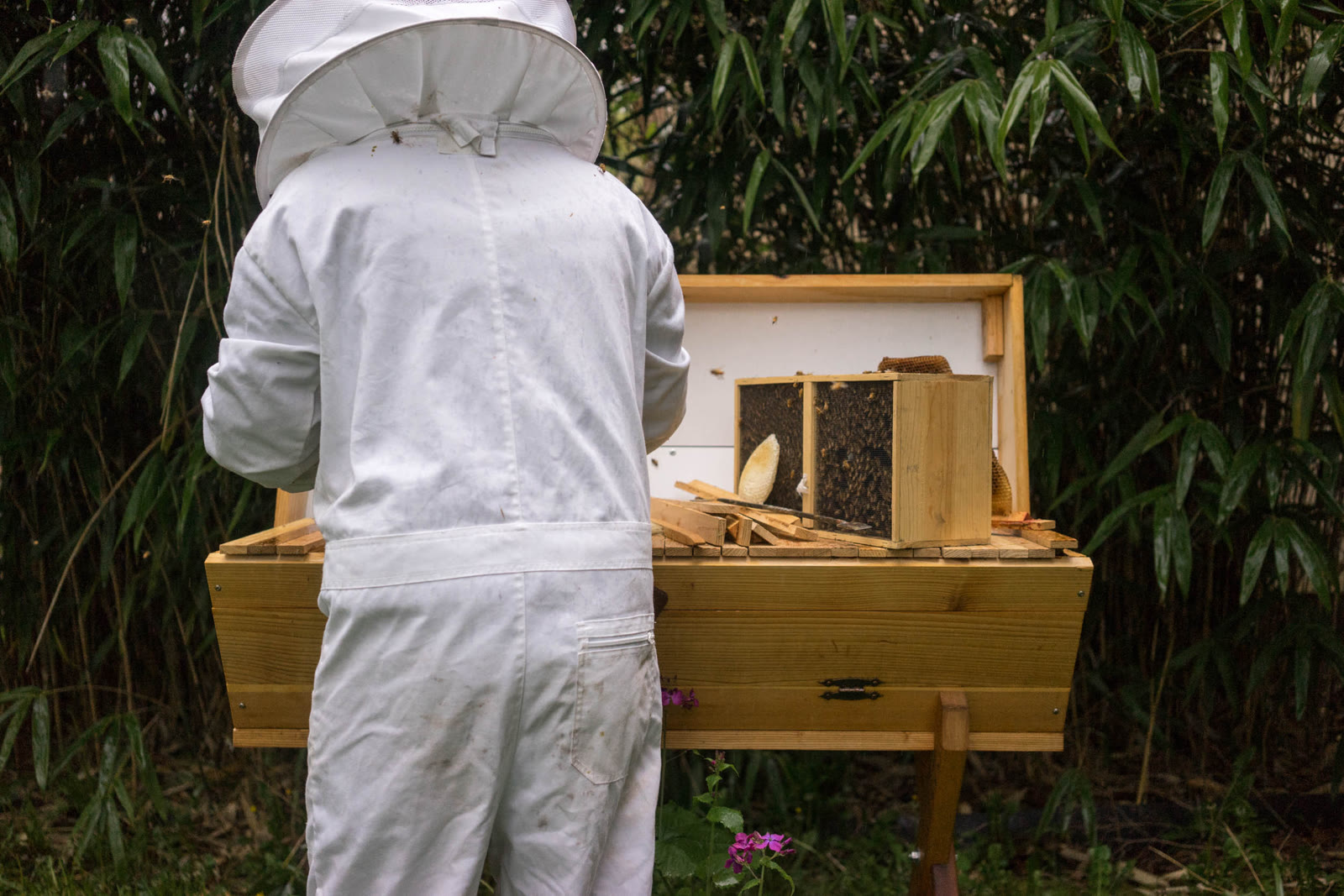
We extract the entire colony (queen, brood, and honeycomb) using specialized tools. Eco-responsible, targeted treatment only.
4
Seal and Prevent
Entry points are sealed and the area is cleaned to remove pheromone traces that attract future swarms.
Frequently Asked Questions
For most residential calls, we can schedule an inspection within 24 to 48 hours. Emergency situations may be handled same-day.
We make the smallest opening necessary to access the colony. In most cases, the opening is small and easy to patch. We do not perform structural repairs, but we can recommend contractors if needed.
Yes. We use environmentally responsible treatment methods only. During the removal, we ask that people and pets stay at a safe distance from the work area.
We use thermal imaging and physical inspection to locate colonies inside walls. The sound and warmth of a colony are identifiable even when the bees are hidden.