Ground Bee
Small fuzzy bee nesting in bare soil, spring only
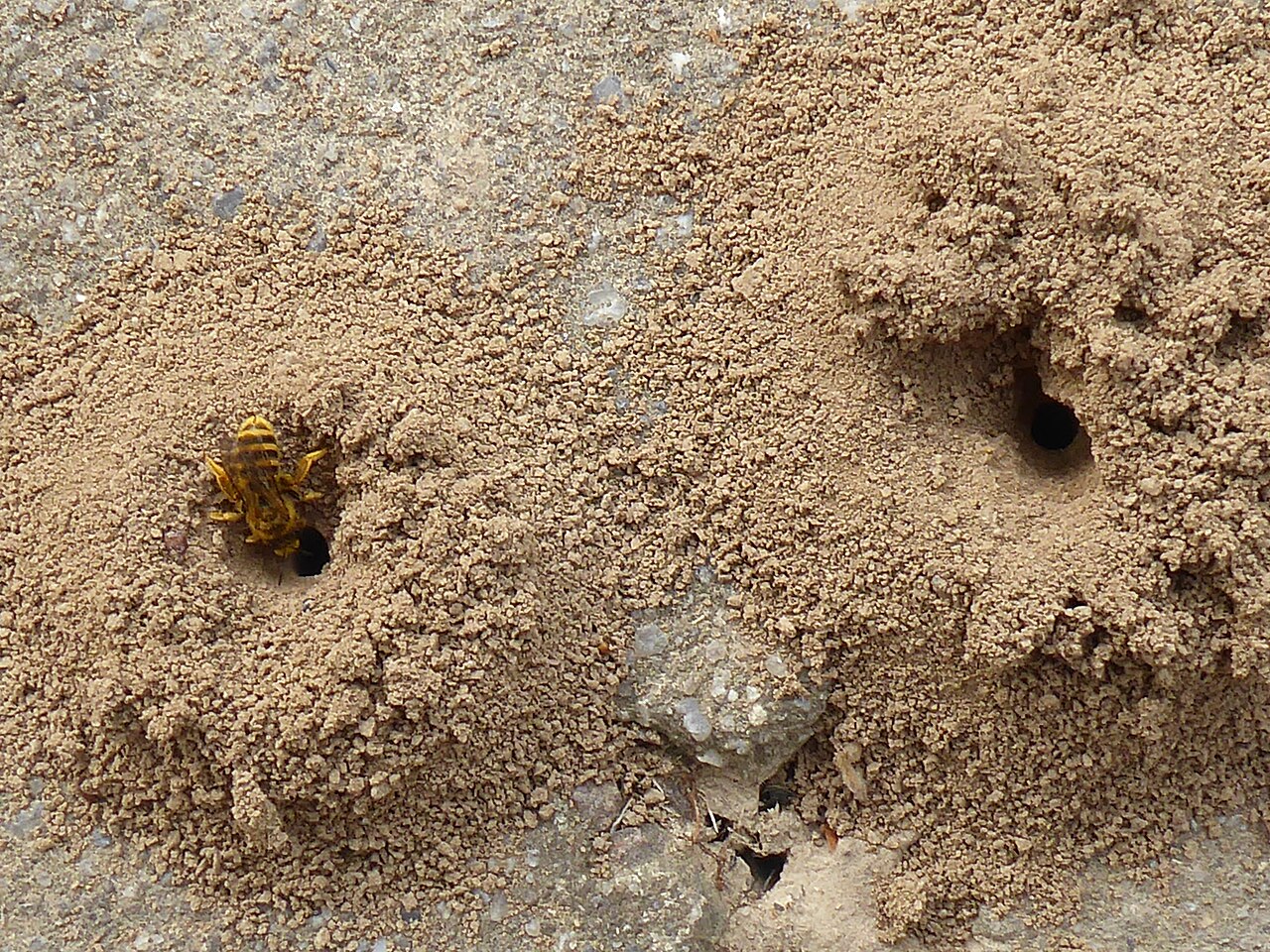
Individual
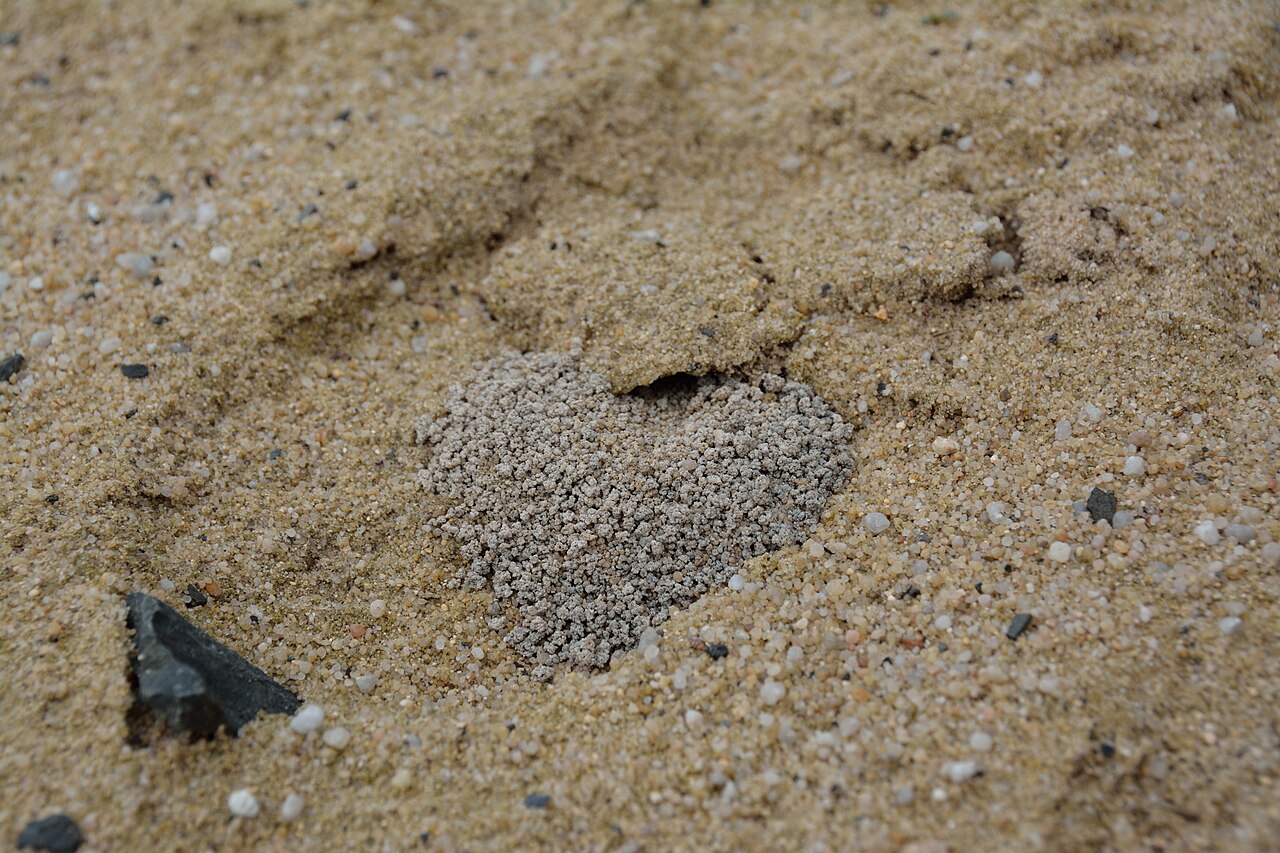
Swarm
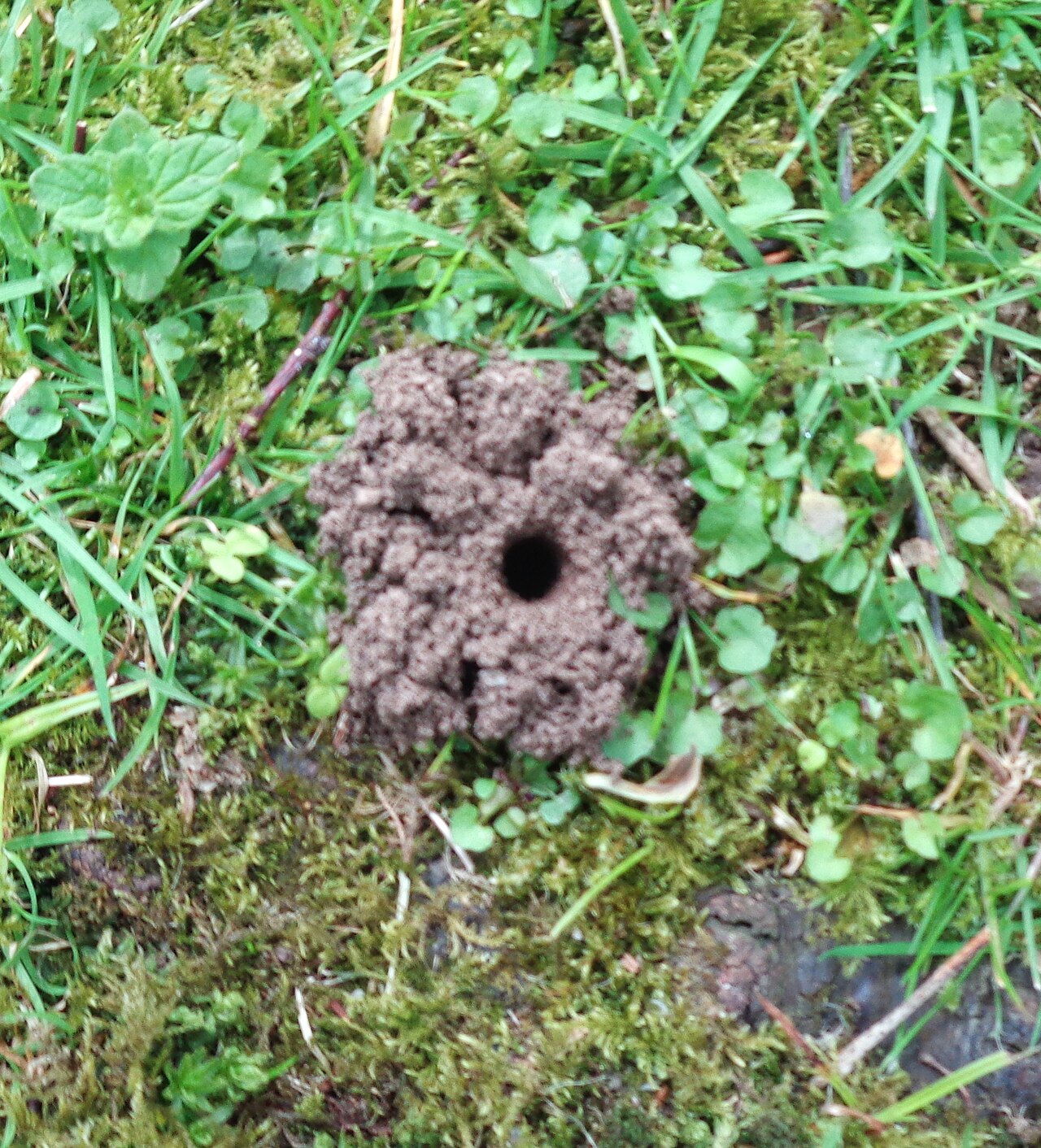
Nest / Hive
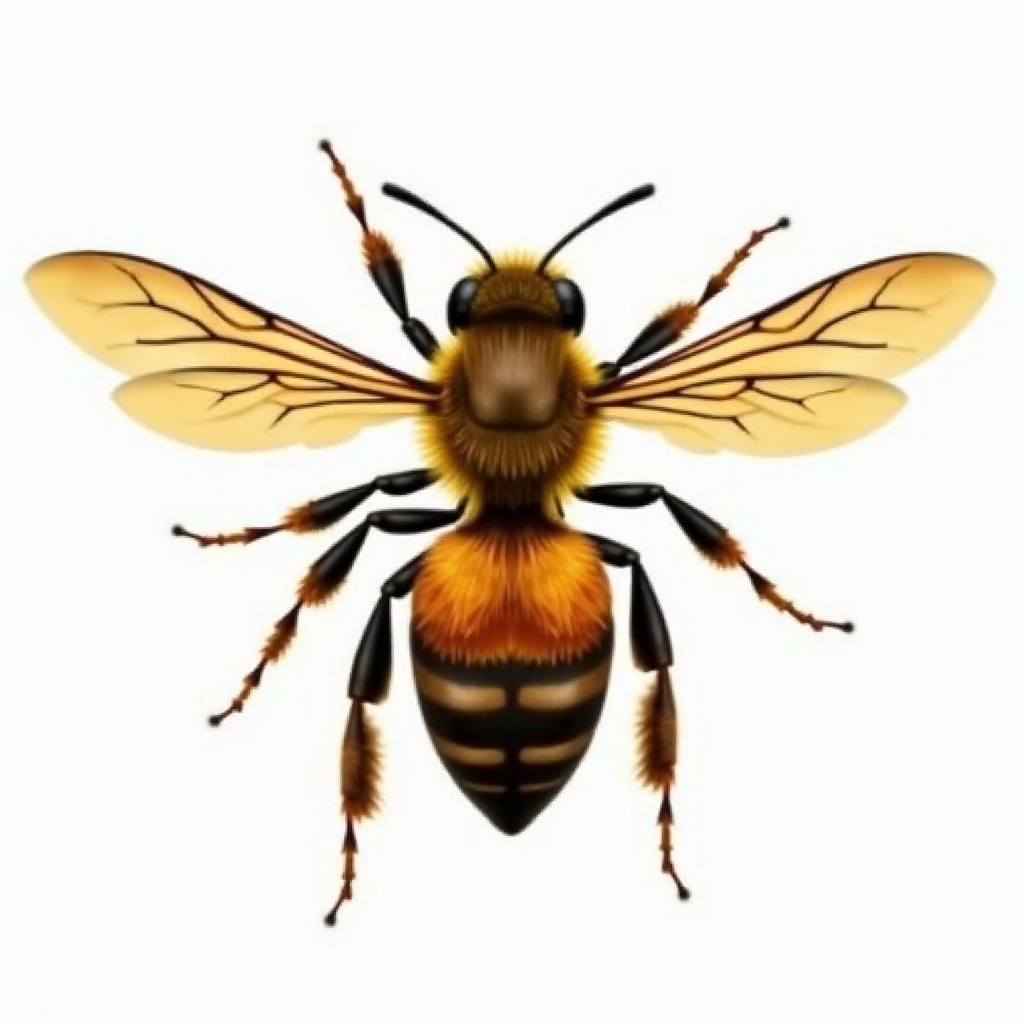
Wing / Body Pattern
What It Is
Ground bee is the common name for a group of solitary or semi-social native bees that nest in bare soil rather than in structures. Several species fit this category in Southern California, including digger bees in the genera Anthophora and Colletes. Despite the appearance of a colony when many are active at once, ground bees are not colonial: each female digs her own burrow, provisions her own larvae, and operates independently. Dozens of individual bees may choose the same patch of bare ground, making the site look organized when it is actually concurrent independent nesting. Size: roughly 1/2 to 3/4 inch, comparable to a medium honeybee but noticeably fuzzier.
How to Identify
Ground bees are fuzzy throughout the body, resembling small bumblebees, and are typically yellow-brown or black with pale banding. Behavior is the clearest identification signal: in early spring, males emerge before females and hover in low, rapid groups a few inches above the soil surface near the nest area. This hovering (frantic, low-altitude, directly above bare ground) is what homeowners notice first and find alarming. The nest itself is small soil mounds with a central entry hole, roughly the diameter of a pencil, in bare or sparsely vegetated ground. Multiple mounds in the same patch are typical. Activity is concentrated in spring and ends within 4 to 8 weeks.
Behavior and Risk
Ground bees are gentle. The alarming low hovering is done entirely by males, and male ground bees cannot sting. Females can sting but are extremely reluctant to do so, and unprovoked stinging is rare. The practical risk from ground bees in a yard or garden is essentially zero. Normal foot traffic near the nesting area does not trigger a defensive response.
How to Handle
If ground bees are nesting in a low-risk area of your lawn or garden, the most effective response is to wait. The nesting cycle ends on its own, typically within 4 to 8 weeks, and the activity stops completely. If the nesting site is in a high-foot-traffic area, covering the soil with a layer of mulch or planting dense ground cover after the season ends will discourage nesting the following spring. Do not apply pesticides to an active ground bee nesting site. These are native pollinators with genuine ecological value, and their presence is brief.
Ground bees hover low over bare soil in spring and nest in the ground. Honeybees nest inside structures (walls, tree hollows, attic voids), and show steady two-way traffic at a specific exterior gap. If bees are hovering over a dirt patch in your yard in March or April, they are almost certainly ground bees. If bees are entering a structure through a gap in the building's exterior, those are honeybees and you should call us.
Frequently Asked Questions
Are ground bees dangerous?
No. The hovering swarms that alarm homeowners are males, and male ground bees cannot sting. Females can sting but rarely do, and unprovoked stinging away from the nest is uncommon. Walking near the nesting area does not trigger a defensive response. Ground bees are among the least risky insects a homeowner will encounter in a Southern California yard.
Does Beecasso remove ground bees?
Ground bees are native pollinators with no hive or colony. Their nesting season is brief and ends on its own, typically within 4 to 8 weeks. If you are not sure whether what you are looking at is ground bees or something that requires professional attention, send us a photo and we will identify it for free.
What does a ground bee nest look like?
Small mounds of loose soil with a central entry hole, roughly the diameter of a pencil, in bare or sparsely vegetated ground. Multiple mounds in the same patch are common. The holes are clean and distinct. Activity at the holes, including bees entering and exiting, is visible during warm daytime hours in spring. The mounds are low-profile and easy to miss until you are looking for them.
Is a ground bee the same as a yellowjacket?
No. Ground-nesting yellowjackets and ground bees are frequently confused because both use in-ground entry holes. Ground bees are fuzzy, gentle, and active in spring. Yellowjackets are smooth, bright yellow-black, aggressive, and most active in late summer and fall. If activity at a ground hole is happening in late summer, or if the insects are smooth and bright yellow rather than fuzzy, step back and do not disturb the site. That is a yellowjacket situation and requires pest control.
Bees are hovering low over my lawn near holes in the ground. What is happening?
In spring, this is almost certainly ground bees. The low, rapid hovering directly above ground-level holes is characteristic of male ground bees searching for emerging females. It looks frantic and alarming but poses no risk; males cannot sting. The activity is brief, typically 4 to 8 weeks, and stops on its own. If the same behavior is happening in late summer or fall, it may be ground-nesting yellowjackets, which are a different situation and require pest control.