Honeybee
Fuzzy, amber-brown, wax comb inside walls or trees
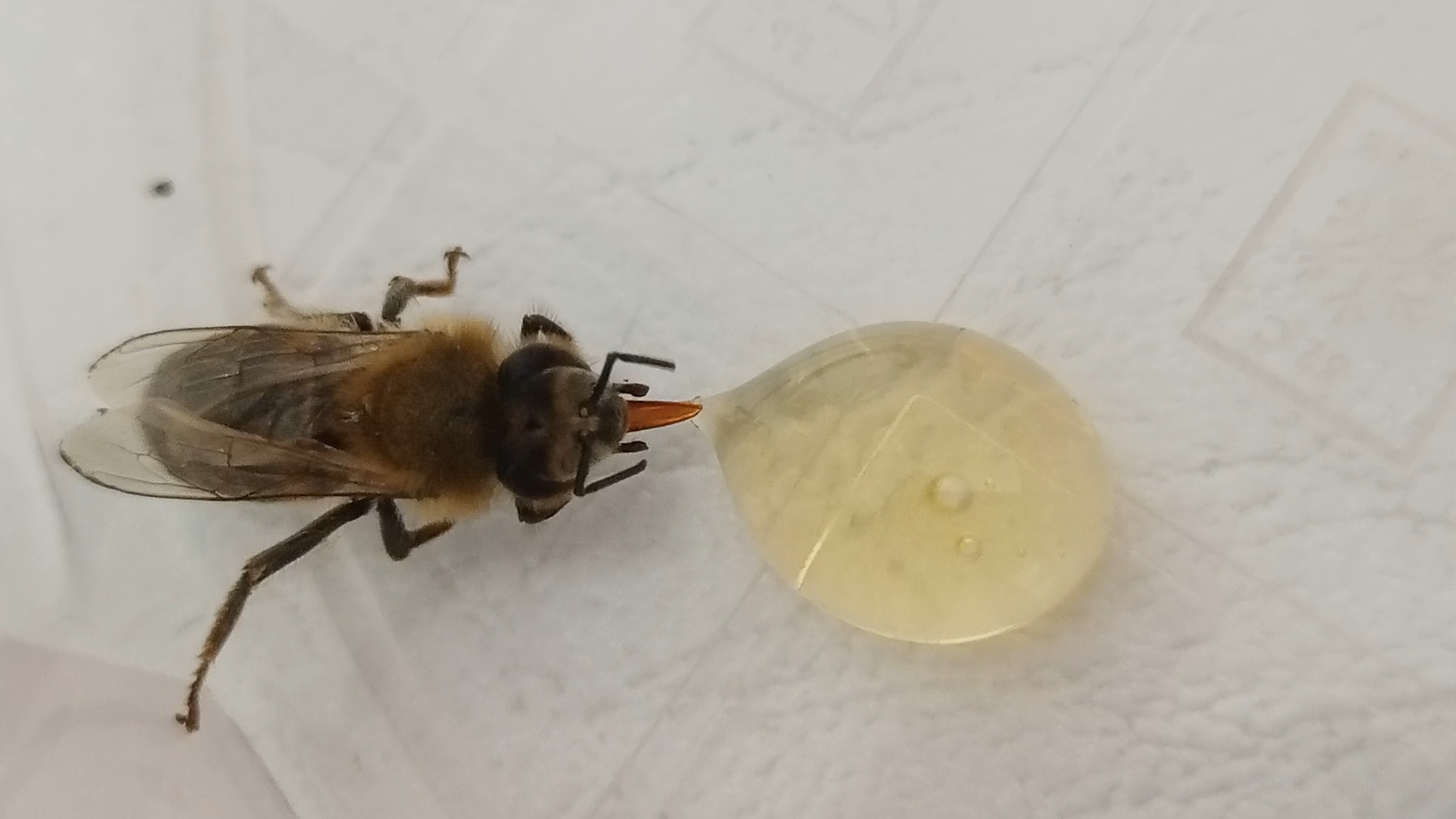
Individual
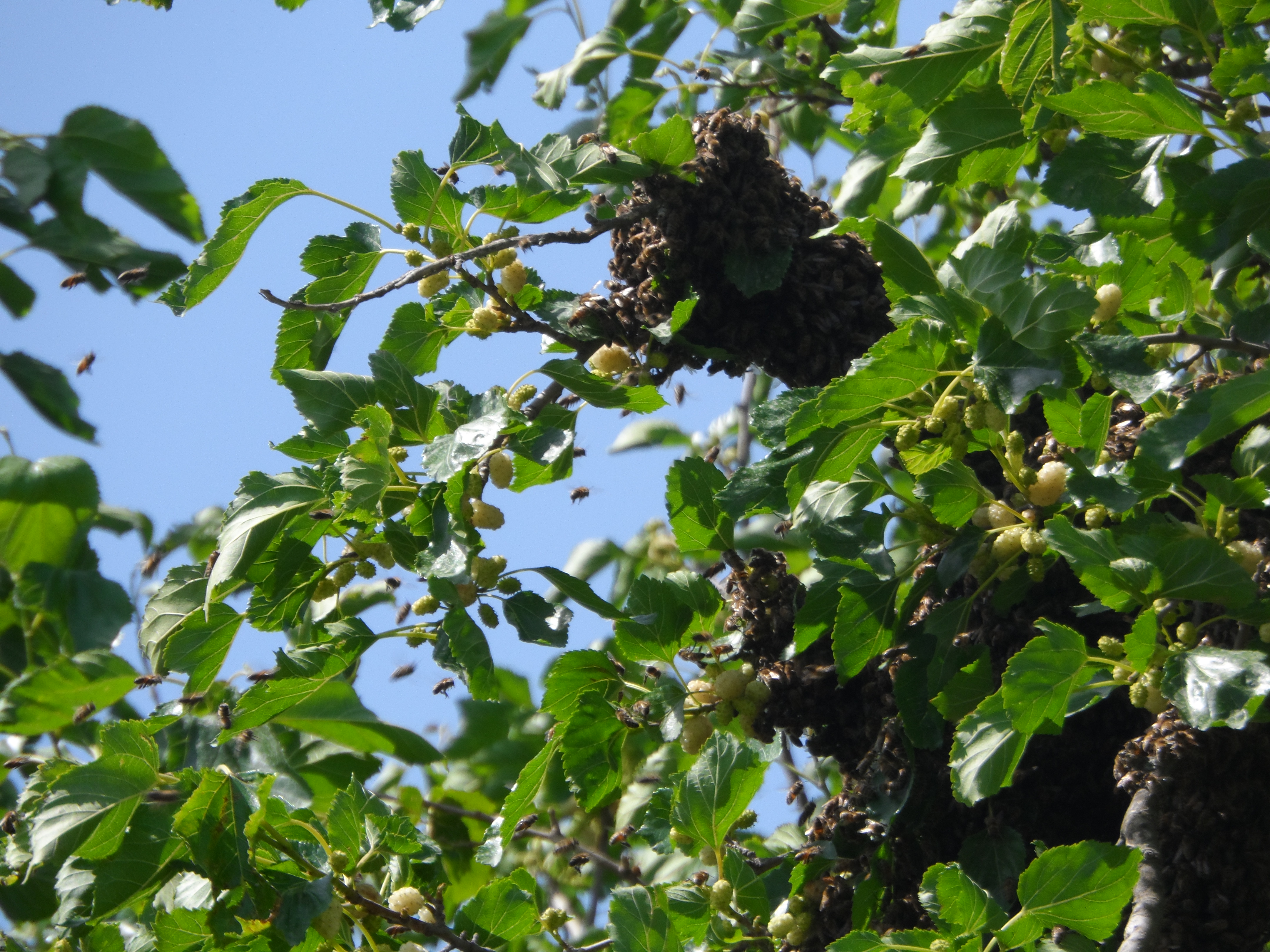
Swarm
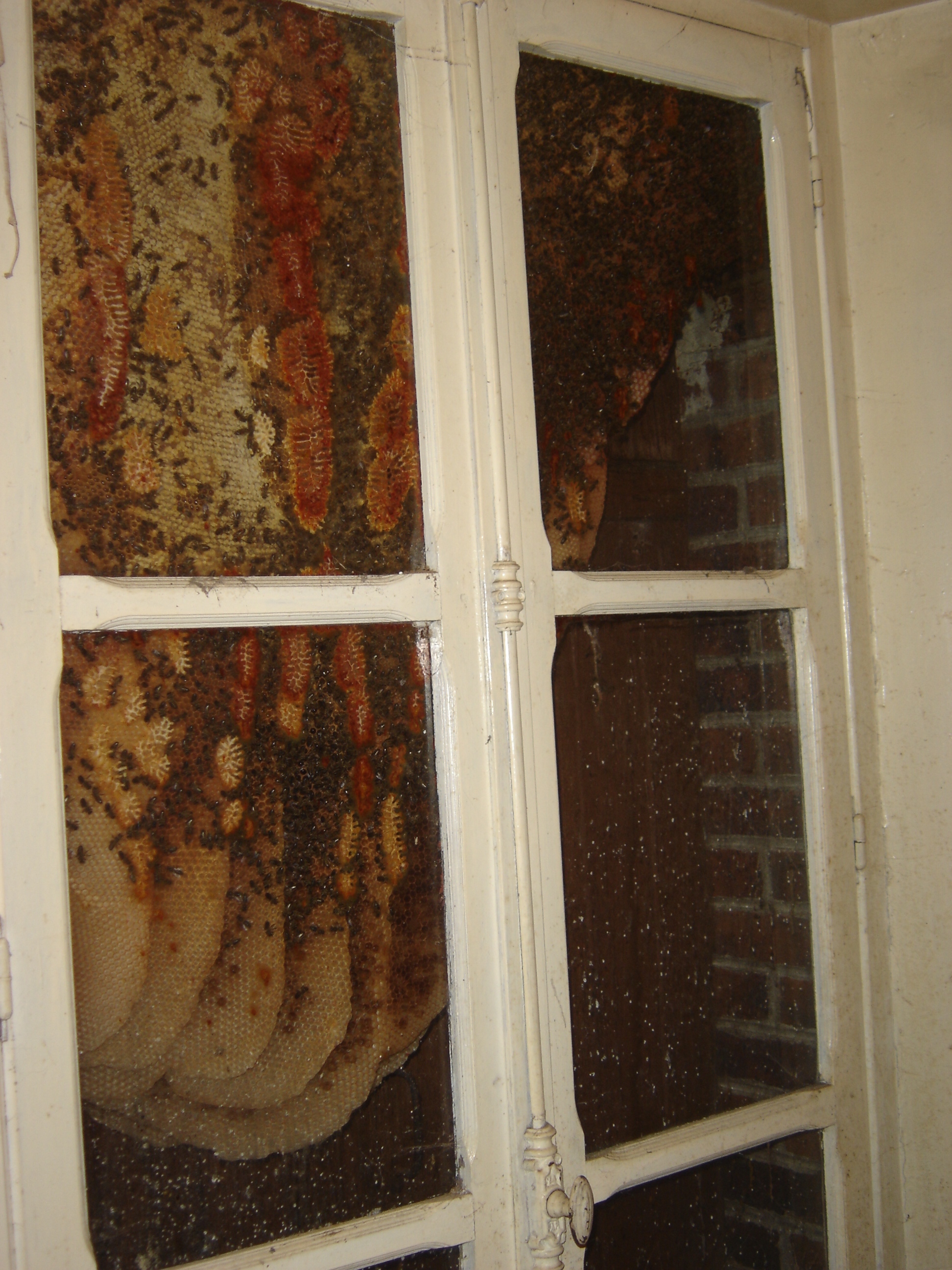
Nest / Hive
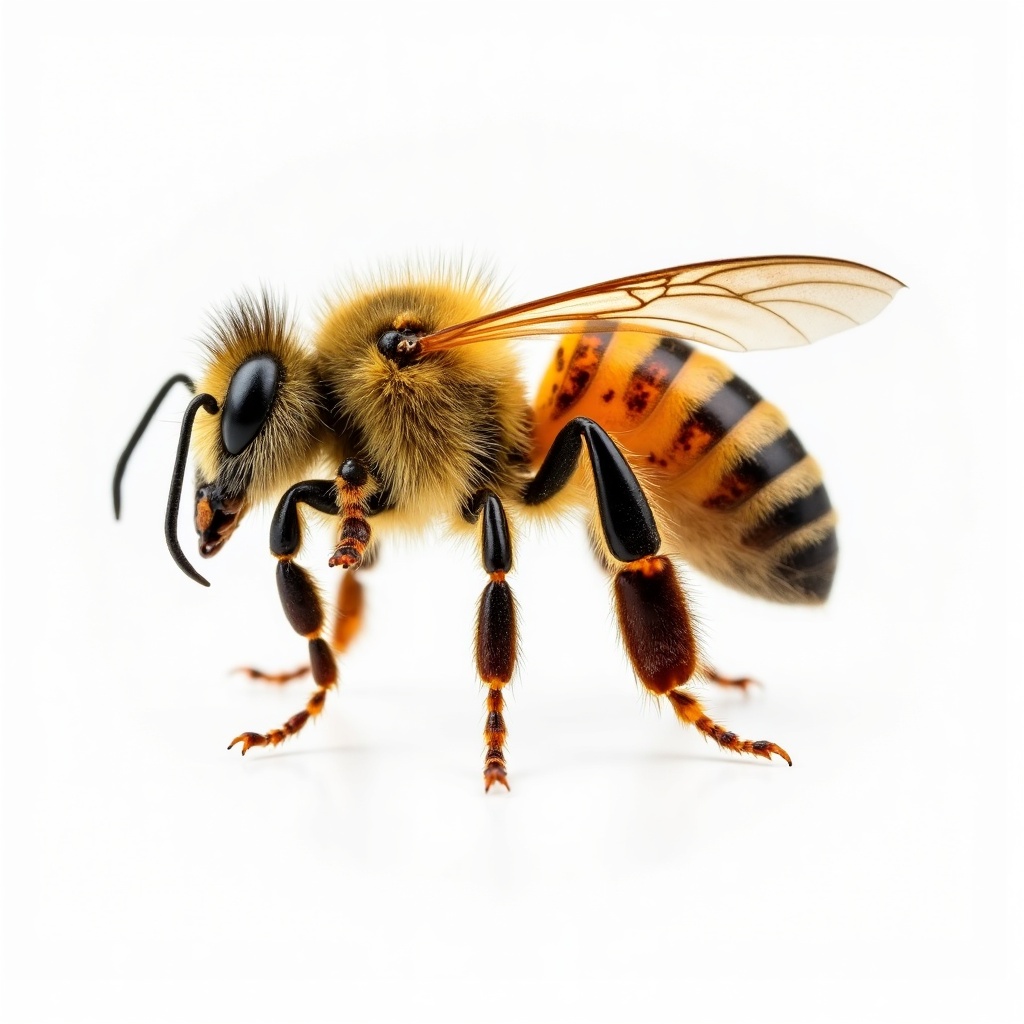
Wing / Body Pattern
What It Is
The honeybee (Apis mellifera) is the most common bee in Los Angeles and Orange County and the insect behind the vast majority of calls we receive. Honeybees are social insects that live in large colonies of 20,000 to 80,000 workers, all supporting a single queen. They build wax comb inside enclosed cavities and store honey to survive. In Southern California, wild honeybee colonies occupy wall voids, attic spaces, tree hollows, and utility boxes year-round. Size: roughly 5/8 inch, about the length of a fingernail. Smaller and slimmer than a bumblebee.
How to Identify
Body color is amber to golden-brown with darker brown or black banding. This is not the bright yellow of a yellowjacket. The body is visibly fuzzy, especially on the thorax. When foraging, pollen is sometimes visible as orange or yellow saddlebags on the hind legs. The nest is typically hidden. The clearest homeowner signal is two-way bee traffic at a specific exterior gap with bees going in and coming out. The nest hums. Over time, honey staining may appear on adjacent surfaces.
Behavior and Risk
Honeybees are defensive, not aggressive. A foraging bee on a flower poses essentially no risk. Near the hive, the response changes. Vibration, approach, or disturbance triggers defensive behavior from the colony. Honeybees have a barbed stinger. A bee that stings dies, which limits each individual to one sting event. This does not limit the colony's response. A defensive colony can mobilize hundreds of bees. Swarms are at their most docile: swarm bees have no comb, no brood, and nothing invested in the location they are resting on.
How to Handle
If you find a colony: do not spray the entry point or tap on the wall. Do not block the entry while bees are active. Give the area a wide margin and keep people and pets away. Take a photo or short video from a safe distance and call us. Prevention: seal weep holes with copper mesh, close siding seams, and inspect eave lines before spring swarm season each year.
The honeybee is most commonly confused with the yellowjacket. The fastest check: if it is fuzzy and amber-brown, it is a honeybee. If it is smooth and bright yellow, it is a yellowjacket.
Frequently Asked Questions
Do honeybees sting more than once?
No. A honeybee has a barbed stinger that lodges in skin and pulls free from the bee's body when it stings a person. The bee dies shortly after. Each individual bee can sting once. The colony can send many bees if the hive is threatened, so total sting count in a defensive response can be high even though no individual bee stings more than once.
How long have bees been in my wall?
There is no precise answer without opening the wall, but there are signals. A fresh colony has little to no comb and the bees may not yet appear from multiple points. An established colony has significant comb, a distinct hum, and sometimes visible honey staining. Colony size and comb load are the best estimates.
Should I call an exterminator or a bee removal company?
A pest exterminator can kill the visible bees but typically does not extract the comb. Dead bees and comb left in a wall create ongoing structural and pest attraction problems. A bee removal company extracts the colony live and removes the comb. The end result is a clean, closed cavity.
Are the bees in my wall Africanized?
In Southern California, any wild colony may be Africanized. Visual identification is not possible without laboratory analysis. We assess the colony when we arrive and work accordingly. Do not try to determine this yourself before calling.
I found a swarm of honeybees. What should I do?
Keep people and pets at a comfortable distance. Do not spray or disturb the cluster. Take a photo from a safe distance and call us. A swarm is the easiest possible bee removal job and the window to do it simply closes quickly once they find a structure.