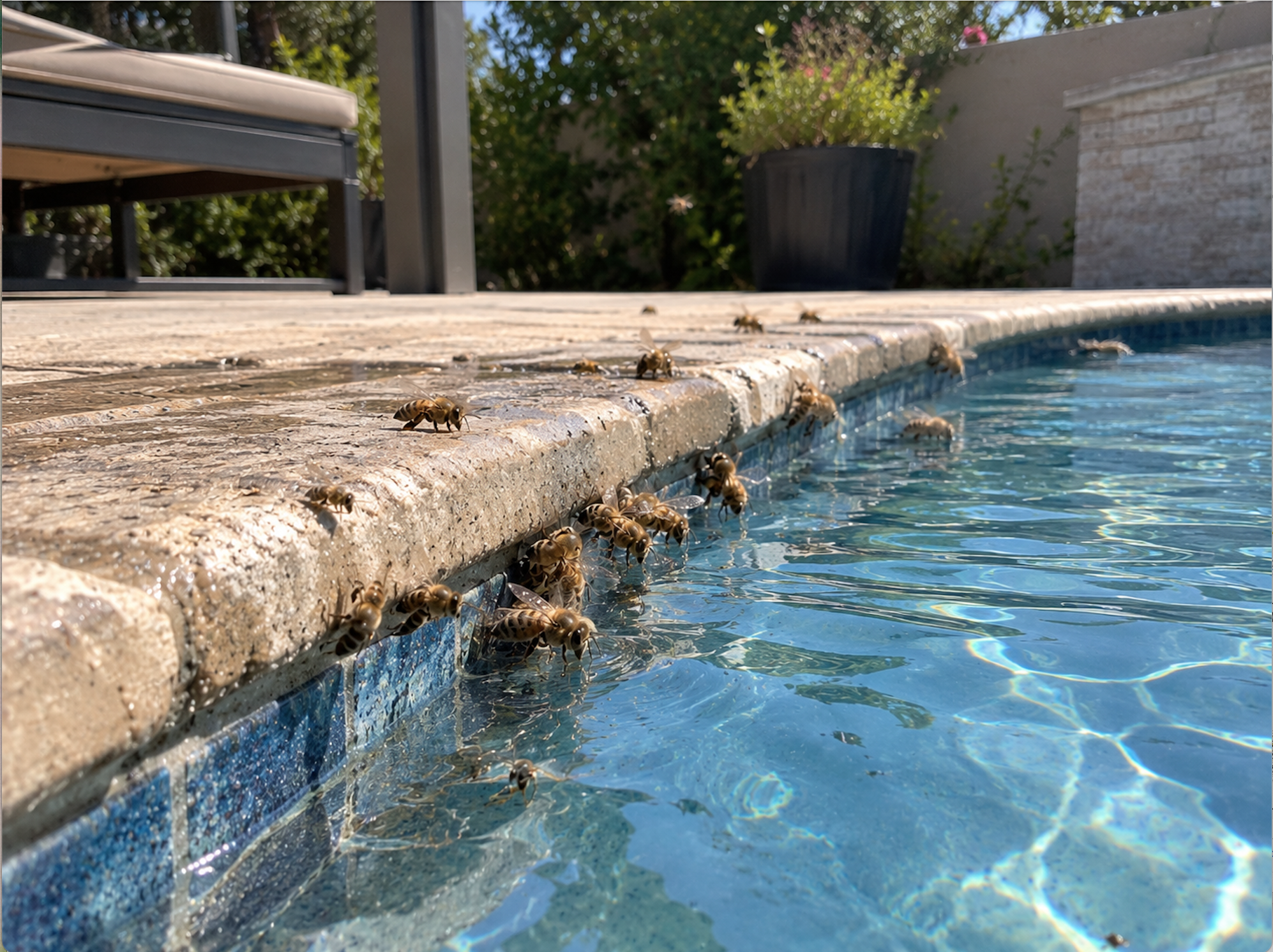
When Bees Appear at Your Home: How to Respond
August 12, 2025 · 4 min read
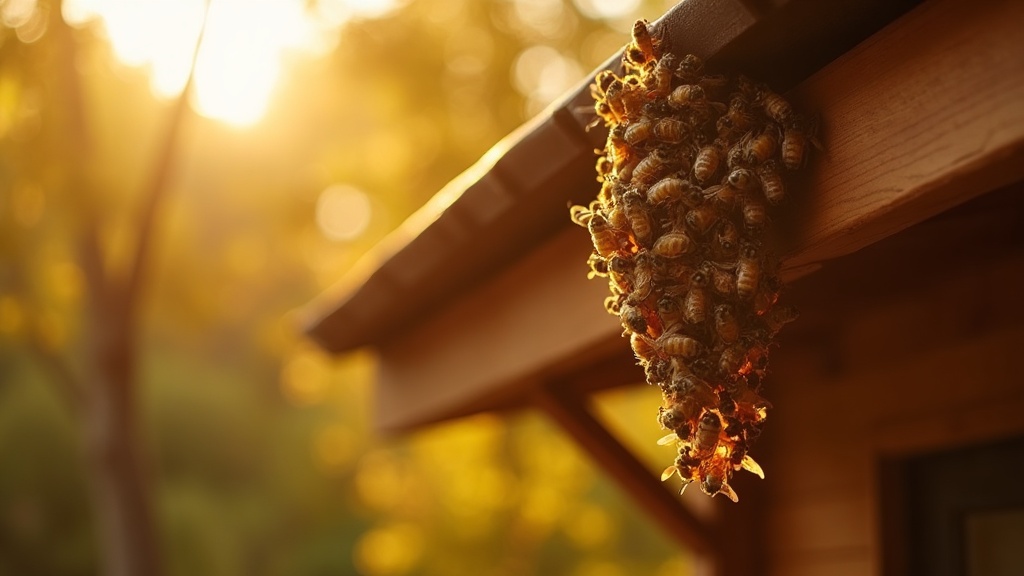
It often starts as a faint hum in the distance, a sound that grows louder as you step outside. A glance upward reveals a cluster of bees hovering near your home, perhaps around the roofline, chimney, or a tree in the yard. This unexpected visit can cause alarm, but bees are not aggressive by nature when undisturbed. They may be exploring a possible nesting site or simply resting during migration. The way you respond in these first moments can determine whether the encounter is resolved peacefully or escalates into an unnecessary hazard.
What to do now: Do not spray the bees. Do not block the entry point. Keep people and pets away. Take a photo or short video from a safe distance if possible. Call Beecasso for an assessment before the bees move deeper into the structure.
Why Bees Are Drawn to Human Spaces
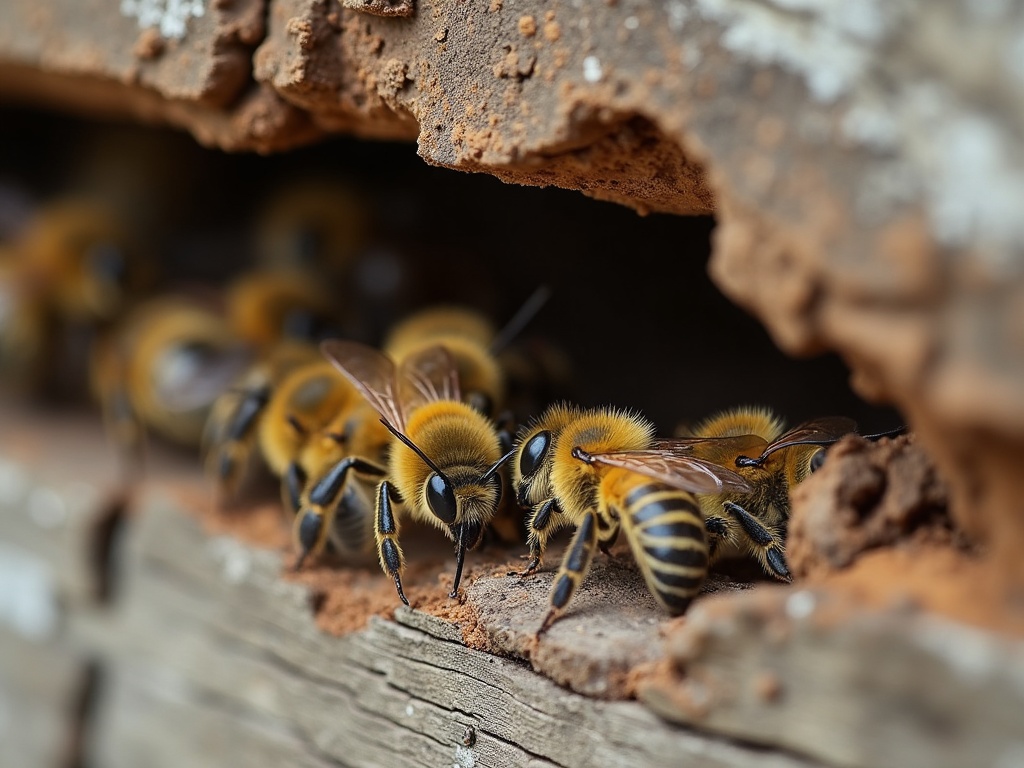
Bees seek shelter that offers protection, warmth, and easy access to nectar sources. Hollow walls, attic spaces, and shaded garden corners make ideal spots for nesting. Sometimes, their presence is temporary: scout bees may investigate for a day or two before moving on. Other times, the decision to settle is quick, and the colony begins constructing its hive. Understanding their behavior helps in making a thoughtful plan. Not all bee encounters require removal, but knowing when to intervene ensures both your safety and the bees' survival.
Calling the Right Help at the Right Time
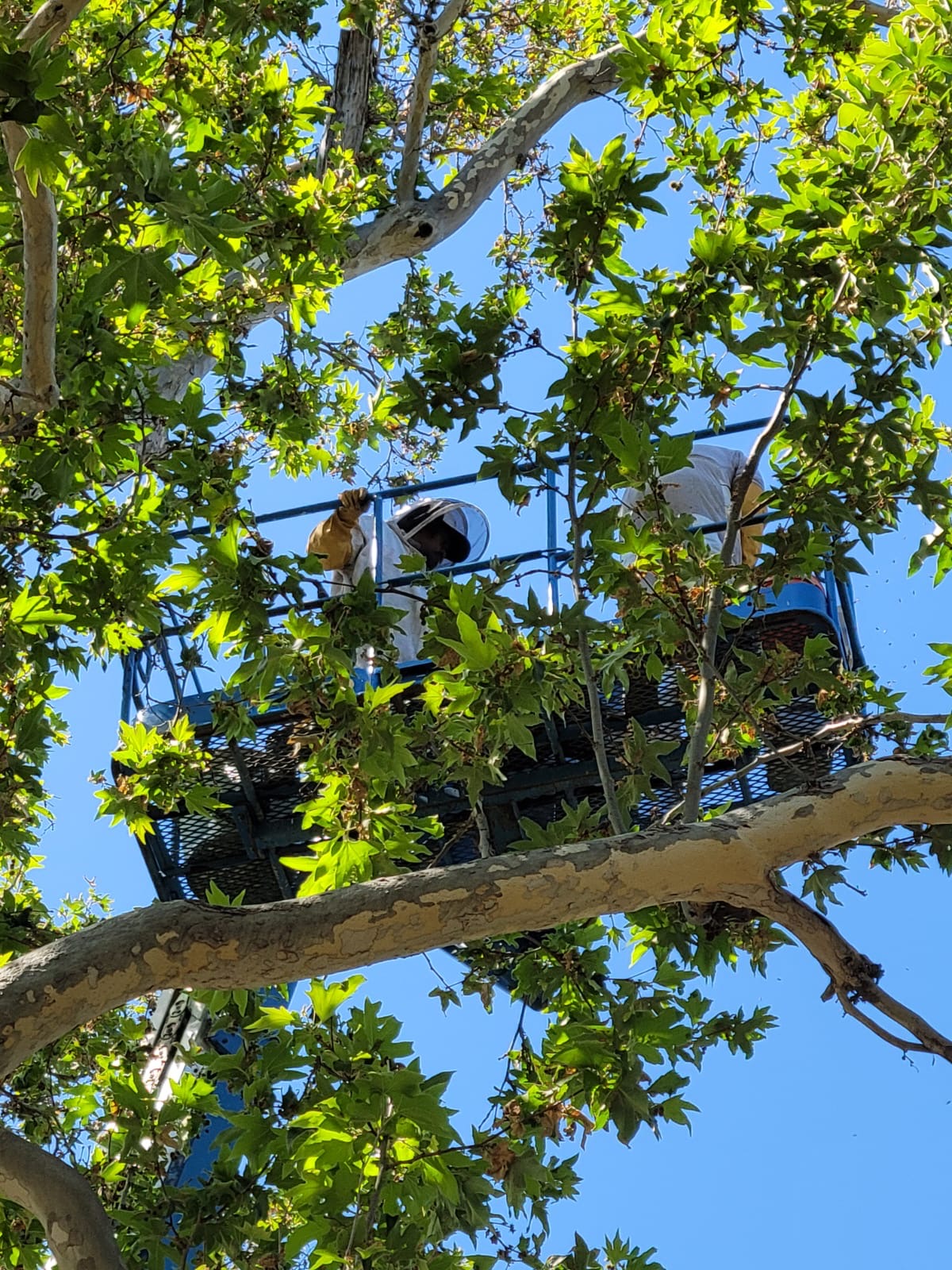
If bees remain beyond a few days or begin building a hive, it is wise to seek expert assistance. Attempting removal yourself can lead to injuries and the unnecessary destruction of the colony. Contacting bee hive removal experts provides a humane and safe solution. These professionals have the knowledge, protective equipment, and relocation methods that protect both people and pollinators. They can assess whether the bees can be gently transferred to a more suitable location without harming their delicate social structure or productivity.
Serving Los Angeles County and Orange County. Free assessments.
Importance of Ethical Relocation
Not all bee removals are created equal. Ethical relocation ensures that the colony is kept intact and moved to an environment where it can thrive. This approach safeguards the queen, ensures worker bees remain productive, and prevents disruptions to local ecosystems. Whenever possible, colonies are relocated to local beekeepers and apiary partners, allowing the bees to continue their important pollination work. Supporting such practices reduces the decline of bee populations, which are already under threat from pesticides, habitat loss, and climate change. It is not just removal: it is a conservation effort.
A Spotlight on Conservation Efforts
Across the country, some organizations focus on more than just safe removals: they actively support bee preservation projects. Beecasso's bee-saving efforts emphasize relocating bees to protected spaces while educating the public about pollinator importance. Their work serves as a reminder that every safe removal contributes to larger environmental goals. By choosing removal services that value conservation, you are not just solving a property problem: you are actively participating in the survival of one of nature's most vital species.
Preventing Future Visits
Once a colony has been relocated, prevention becomes essential. Bees often return to the same locations if suitable conditions remain. Sealing gaps in siding, screening vents, and repairing roof damage can deter future nesting. Landscaping adjustments, such as planting nectar-rich flowers away from the home, can keep bees at a distance without depriving them of food sources. Regular inspections of attics, sheds, and eaves help spot early signs of bee activity, allowing for timely action before a full colony establishes itself.
Why Bees Are Worth Protecting
Bees are indispensable pollinators, responsible for much of the food we eat and the health of ecosystems. Without them, crops suffer, wildflowers diminish, and the intricate balance of nature begins to unravel. Their decline is tied to several human-driven factors, which makes our role in protecting them even more critical. Responding with care when bees appear near our homes is one small but powerful way to support biodiversity. Preservation begins not in distant fields but in our neighborhoods.
From Worry to Respect
The sight of bees outside your door might initially inspire worry, but with the right knowledge, it can become a moment of respect for these remarkable creatures. Taking time to understand their behavior, responding without aggression, and calling in humane experts when needed allows you to transform an inconvenience into a contribution toward ecological health. When bees appear at your home, it is not just a visit: it is an opportunity to be part of their continued story of survival.
Provided by Beecasso. Last updated June 2026.