How Bee Removal and Beekeeping Work Together: Why It Matters for Every Colony We Extract
July 22, 2024 · 4 min read
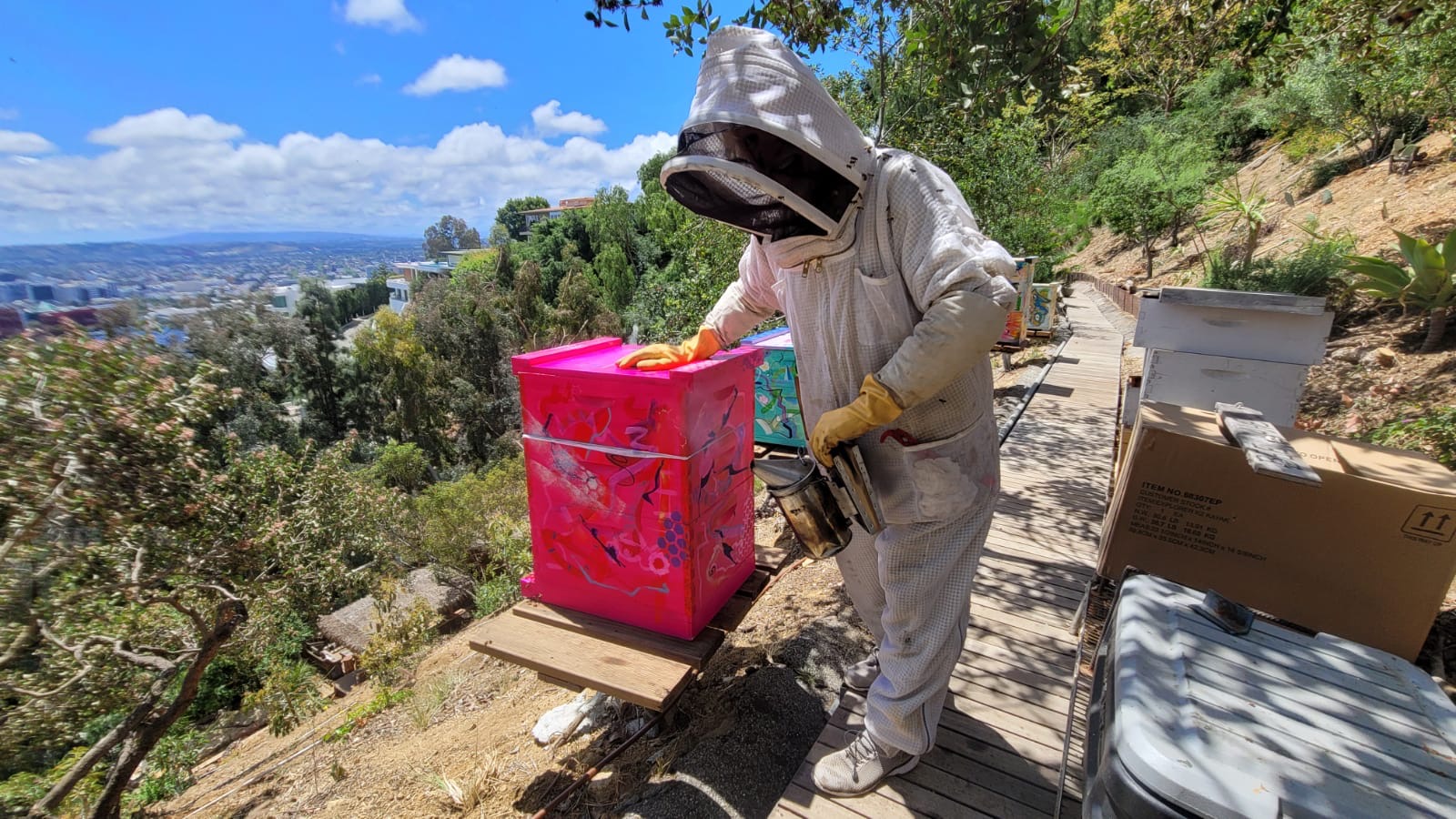
Beekeeping and bee removal are related practices with different primary purposes. A beekeeper manages colonies in a controlled setting: monitoring hive health, managing pests, producing honey, and providing pollination services to agricultural operations. A bee removal specialist handles colonies that have established in structures or locations where they create conflict with human activity. The practices converge where it matters most: what happens to the colony after it leaves the wall.
The problem with removal without a receiving end
The conventional pest control model for bee removal ends with the colony dead and the wall cleared. That model has a structural limitation: the colony is gone, but everything that made the location attractive to that colony, the cavity, the residual scent from any comb left in place, the established entry point, remains. Without complete comb removal and sealing, a new colony arrives within a season or two and the cycle starts over.
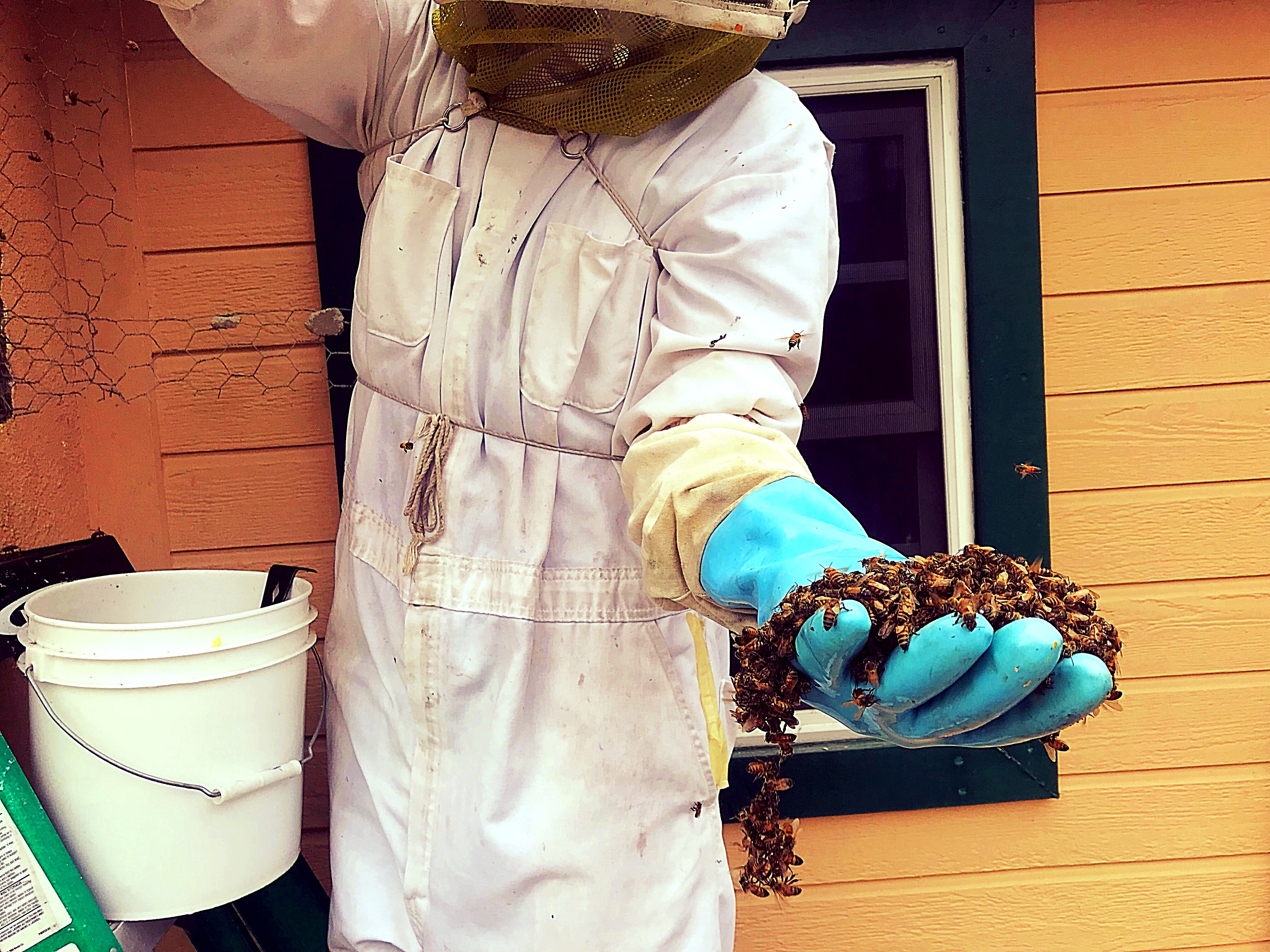
The alternative is a removal-to-apiary pipeline: the bee removal specialist extracts the colony alive and as intact as possible, and a beekeeper receives it and establishes it in a managed setting. The colony that was inside a Pasadena wall becomes part of a working apiary. It continues pollinating. The homeowner gets a clean, sealed structure. The beekeeper receives a viable colony.
This is the model Beecasso operates on. Colonies extracted through live removal are relocated to apiary and sanctuary partners in the Los Angeles area. The removal solves the structural problem; the relocation preserves the colony's contribution.
Why queen capture is the hinge point
A colony extracted without the queen intact often fails to establish at a receiving apiary. The queen is the organizational center of the colony: worker behavior, cohesion, and the willingness of the colony to accept a new hive location all depend on her presence. Workers follow the queen. A relocation where the queen is successfully captured and placed in a hive box at the receiving site gives the colony its best chance of establishing. A transfer where the queen was not captured or did not survive is typically a failed relocation.
This is why live removal skill and beekeeper receiving skill are both necessary for the pipeline to work. Extraction is the first step, not the complete answer.
What a beekeeper does with a transferred colony
Receiving a feral colony extracted from a residential wall is not the same as installing a purchased nucleus colony from a known source. A beekeeper receiving a transfer from Beecasso assesses the colony's health on arrival, specifically mite load, brood quality, and food stores, and sets up an appropriate hive frame arrangement. They monitor whether the workers are accepting the new location and supplementally feed if the colony is light on stores from the extraction. They watch for behavioral signs that the colony is not settling.
This is skilled ongoing work. Beecasso's apiary and sanctuary partners in the Los Angeles area are established operations equipped for this specifically. The transfer is not complete when the bees leave the house; it is complete when the colony is building at its new location.
Why this matters for the ecosystem
Honeybee populations in California face documented pressure from habitat loss, pesticide exposure, and the effects of varroa mite infestation on managed and feral colonies alike. Each colony that survives extraction and establishes in a managed setting continues contributing to local pollination. Each colony that is exterminated or fails to establish after a poorly executed removal is a net loss.
The removal-to-apiary model is not a marketing frame. It is a practical response to the fact that urban Los Angeles has a large population of feral honeybee colonies living in structures, and beekeepers in the surrounding hills and valleys who can manage those colonies productively if they arrive alive.
Beecasso performs live extraction by default for honeybee colonies. We do not promise 100% survival for every transferred colony; colony health, extraction completeness, and receiving site conditions all affect outcomes. What we commit to is the method: live extraction, queen capture attempted on every viable job, complete comb removal, and transfer to established apiary partners.
Serving Los Angeles County and Orange County. Free assessments.
Provided by Beecasso. Last updated June 2026.
Frequently Asked Questions
Where do relocated Beecasso colonies go?
Viable colonies are transferred to apiary and sanctuary partners in the Los Angeles area, managed operations where beekeepers can support the colony's establishment and ongoing health. The specific receiving location depends on the colony's characteristics and partner capacity at the time of the job.
Is live relocation always possible?
Not always. Colony health, the completeness of queen capture during extraction, and the condition of the comb and brood transferred all affect whether a colony can establish at a new location. AHB genetics in a structural colony, or a colony that is already compromised when we arrive, may change what options are available. Beecasso uses live extraction methods by default and gives every viable colony the best chance we can; that is what we commit to, not a survival guarantee.