Bees vs. Wasps vs. Hornets: How to Tell Them Apart
September 26, 2025 · 3 min read
You found something buzzing. Before you know what to do, you need to know what you are looking at. Here is how to tell them apart: the specific visual and behavioral details that matter in the field, not just "bees are fuzzy."
Body shape is the fastest tell
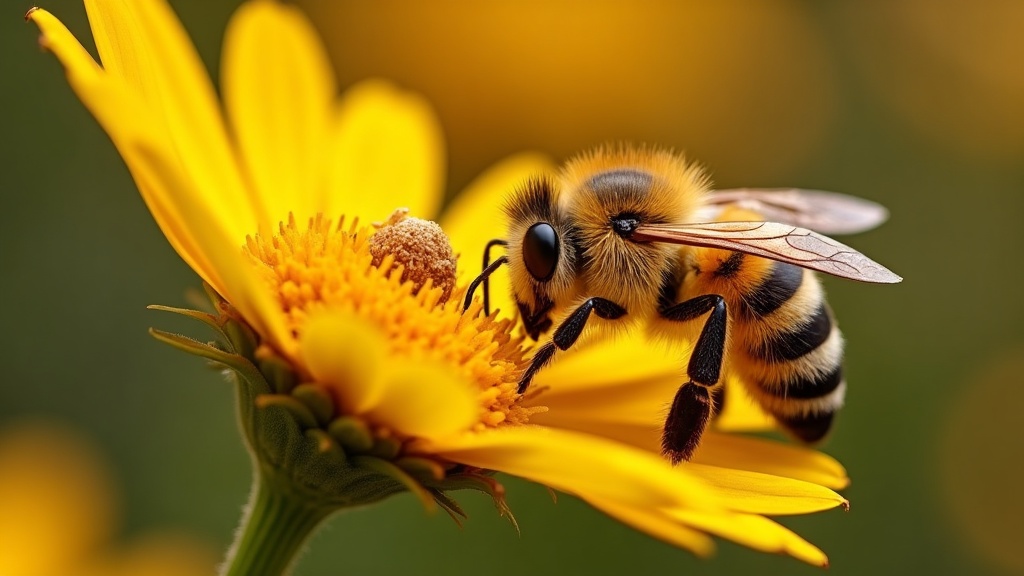
Look at the waist. Bees have a broad, rounded abdomen that connects to the thorax without a dramatic narrowing. Wasps (yellow jackets and paper wasps) have a pronounced pinched waist, sometimes called a petiole. The waist is so narrow it is almost like the abdomen is attached by a thread. Hornets are large wasps, same pinched anatomy, but noticeably bigger.
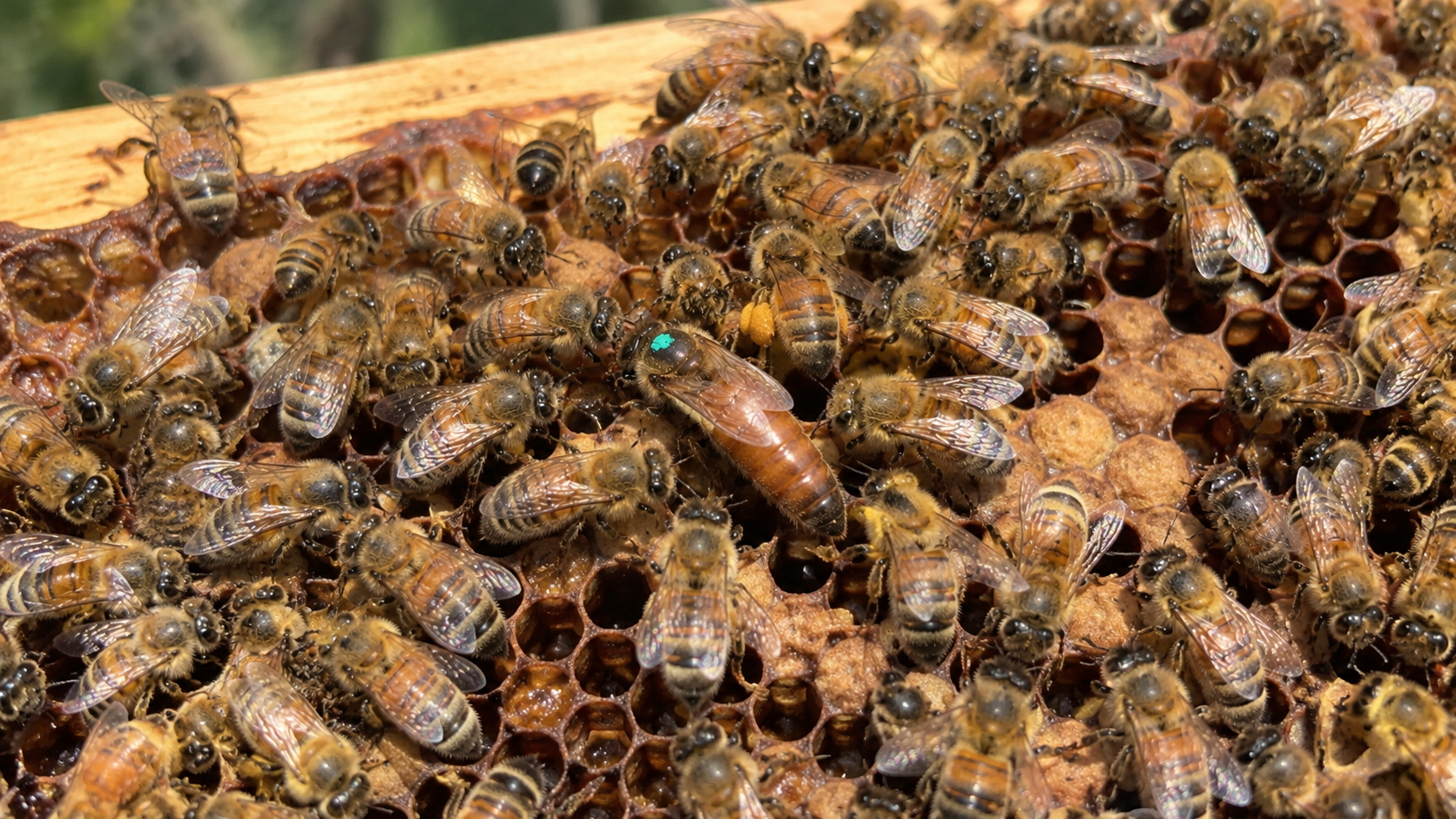
Fuzziness is the second tell, but it is easier to see on a landed insect than one in flight. Honeybees are covered in small branched hairs that trap pollen: that is why they look dusty or loaded after foraging. Yellow jackets are smooth and shiny. Paper wasps are smooth with longer legs that dangle visibly during flight.
Color patterns
Honeybees: amber-brown with black banding, sometimes golden. They are not stark black-and-yellow.
Yellow jackets: sharp black-and-bright-yellow bands. High contrast. This is the insect most people picture when they think "bee." It is not a bee.
Paper wasps: brown or reddish-brown with yellow markings, and those long dangling legs in flight.
Bald-faced hornets (the most common "hornet" in Southern California): black body with white markings on face and tail. Larger than a yellow jacket, visibly more intimidating in size.
Nesting behavior: where they set up tells you a lot
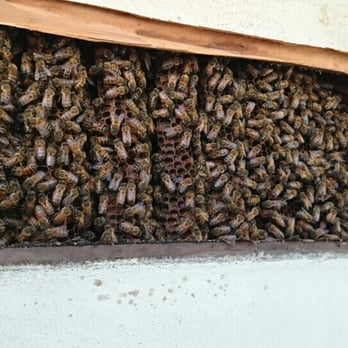
Honeybees build wax comb inside enclosed spaces: wall cavities, soffit voids, tree hollows, attic spaces. They need the volume. A colony of any size requires a protected pocket to hang comb from. If the activity is centered on a gap in your siding, an eave opening, or a knot in a tree, and you are seeing steady two-way traffic in and out, that is consistent with an established honeybee colony inside.
Yellow jackets often nest underground: in soil, under decking, in old rodent burrows. They also use structural voids but tend to build paper nests in wall cavities rather than wax comb. Their traffic pattern at a ground-level entry is distinctive.
Paper wasps build open-faced hexagonal paper nests, usually under eaves, porch ceilings, or rafters. You can see the cells directly. Small colony, typically 10 to 50 individuals, and they will go to the same nest all season.
Swarms, a large cluster of bees hanging from a branch, fence post, or eave, are always honeybees. No other insect swarms this way.
Behavior and sting risk
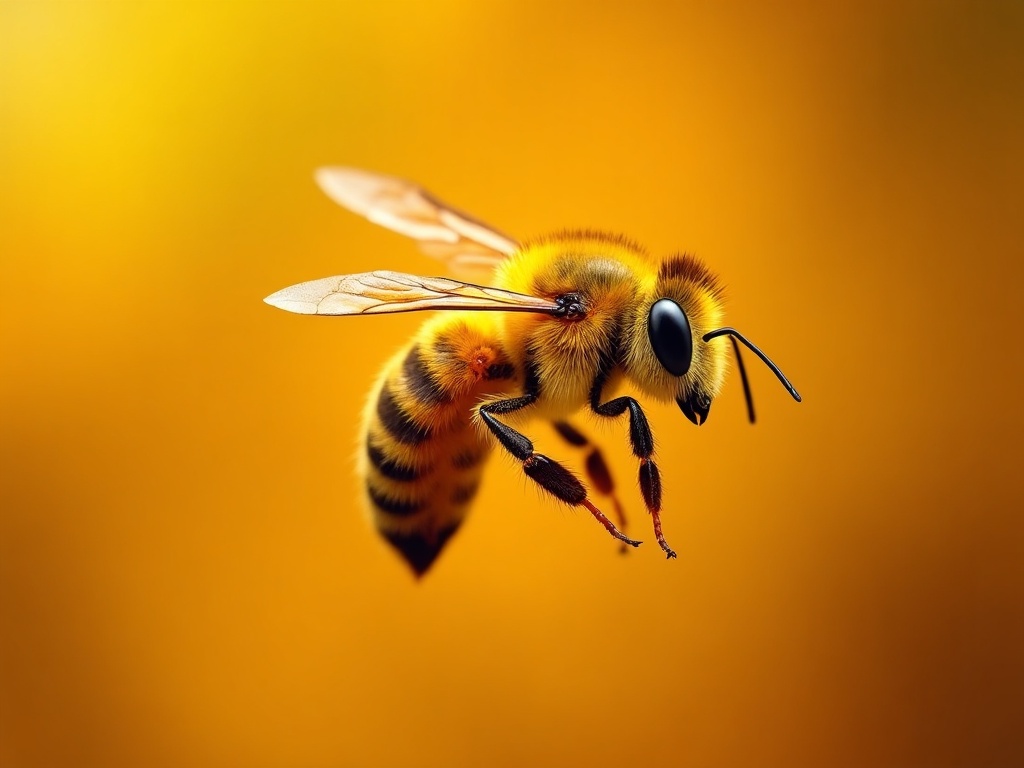
Honeybees are defensive, not aggressive. They will sting to protect the hive if you approach or disturb it, but a foraging bee on a flower is essentially harmless: it does not have a home to protect at that moment. Honeybees die after using their barbed stinger, which is why a single bee generally commits to stinging only when it feels it has no choice.
Yellow jackets and hornets can sting multiple times. They also release alarm pheromones when threatened, which signals others to attack. This is why disturbing a yellow jacket nest in a confined space, a crawl space, under a deck, is significantly more dangerous than disturbing an exposed bee swarm.
Who to call
Honeybees: a beekeeper or bee removal specialist. Beecasso handles live removal and relocation, and the bees go to an apiary partner rather than being killed.
Wasps and hornets: Beecasso removes wasp and hornet nests: yellow jackets, paper wasps, bald-faced hornets. Live relocation is bee-specific, but nest removal is the same call. If you are not sure what you have, call and they will assess.
A photo or short video from a safe distance helps us assess the situation before the visit, and we can often tell the species and access point before we arrive.
Serving Los Angeles County and Orange County. Free assessments.
Provided by Beecasso. Last updated June 2026.