The Best Time of Year to Remove Bees in Southern California
March 12, 2025 · 4 min read
The most common timing question people ask is: "Should I deal with this now, or wait?" Here is the real answer: what each season actually means for bee removal in Southern California, and why the common advice to "wait it out" is wrong in this climate.
Spring (March through May): Swarm season
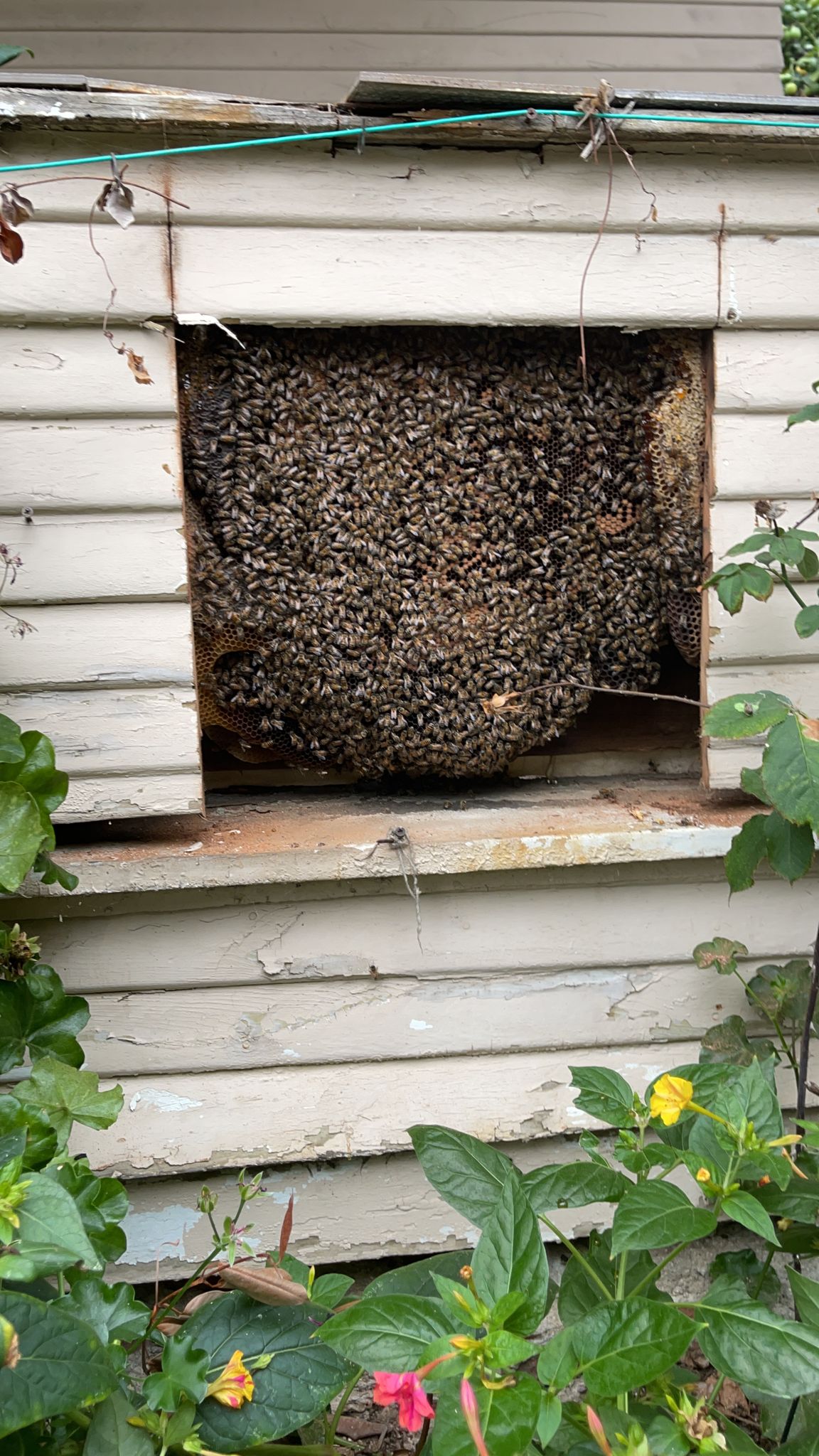
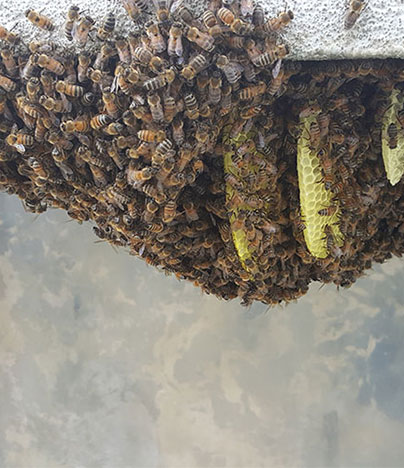
This is the peak window for new infestations in Los Angeles and Orange County. As days lengthen and temperatures rise, established colonies grow rapidly. When a colony outgrows its current hive, the old queen leaves with roughly half the workers to find a new location: that is the swarm. Scout bees fan out across the area, evaluating gaps and cavities in structures. Your wall, your chimney, your soffit.
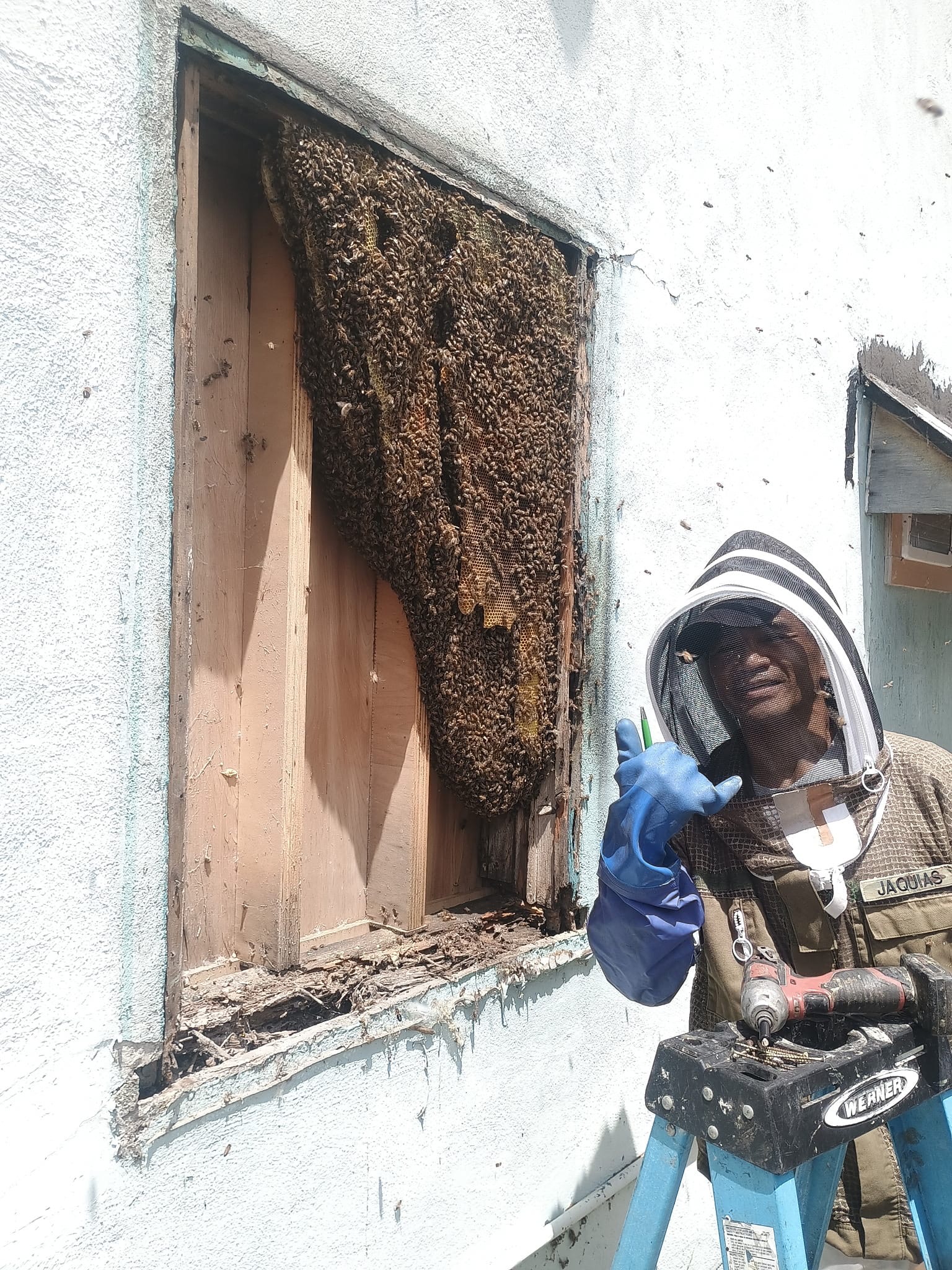
The window for easy intervention is right here: a swarm that is clustered on your property but has not yet entered a structure is the simplest possible removal job. One call, no cutting, minimal disruption. Once scouts find an entry point and the swarm commits to a cavity, the colony begins building comb within days. The same colony that could have been captured in two hours as a swarm becomes a structural job.
If you see a swarm during spring, call immediately. Not "later today if I have time." Now, while the window is still open.
Summer (June through September): Established hives at risk
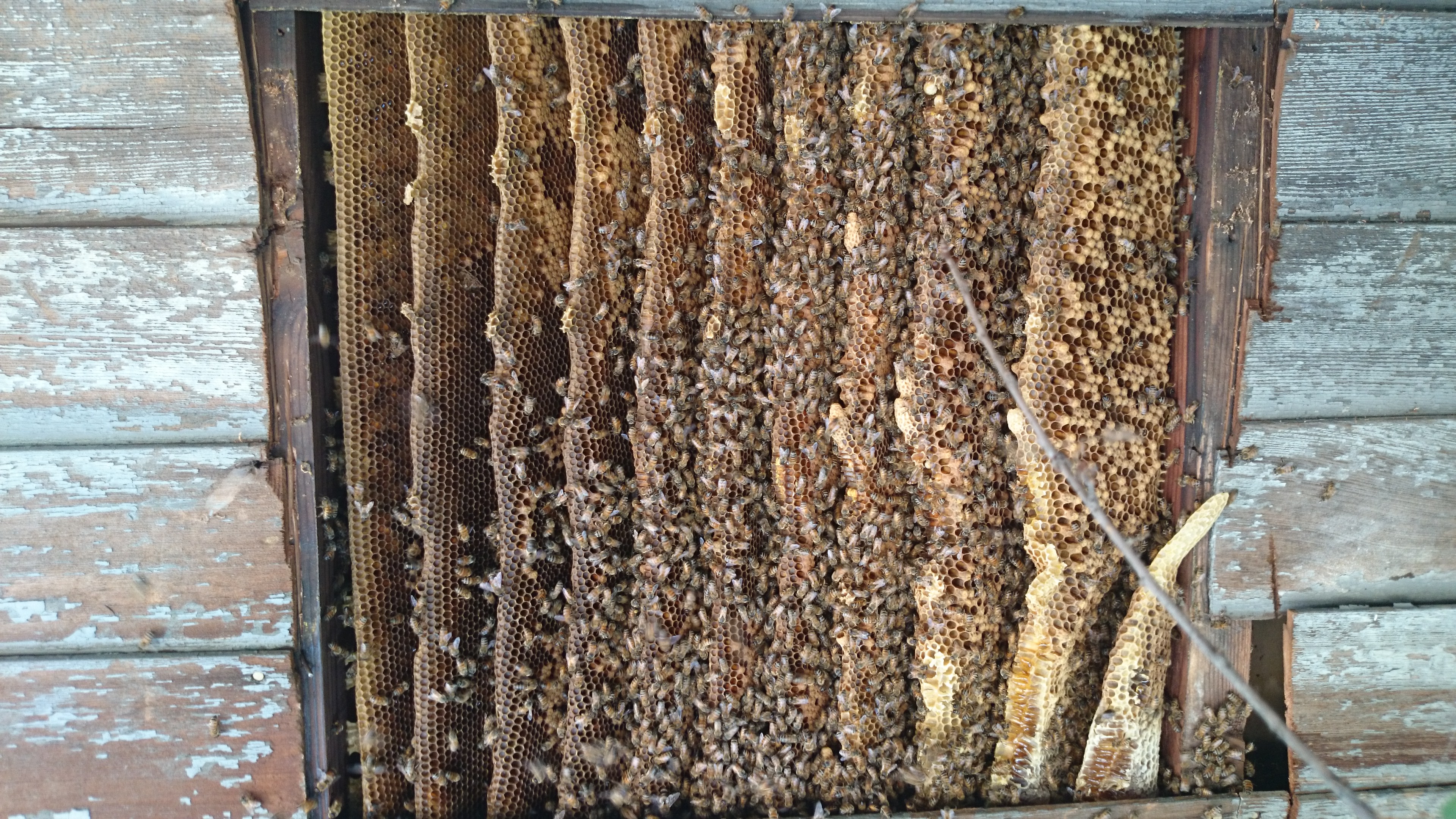
By midsummer, any colony that established in spring has been building comb for months. A Los Angeles summer is brutal on unmanaged hive comb. In Southern California summer heat, honey inside the comb liquefies and the wax softens. Wall cavities routinely exceed 100 degrees in summer, well into the range where comb collapses and honey drains through the wall structure. Interior wall and attic temperatures in valley and inland communities can exceed 120 degrees in July and August. A colony in a wall is managing this actively: bees fan comb to cool it, they cluster to regulate temperature, but if the colony is disrupted, reduced, or dying for any reason, that temperature management fails.
The honey in wall-cavity comb does not stay put in summer heat. It flows. It saturates insulation, seeps through drywall paper, stains ceilings. In older stucco construction in Pasadena, Burbank, or Anaheim, a mid-summer collapse of a neglected in-wall colony can produce damage that costs more to remediate than a year's worth of removals.
Summer removal is straightforward and appropriate: it is not the worst time. But summer is also when the consequences of delay are most severe.
Fall (October through November): Consolidating colonies
As temperatures moderate, colonies slow their growth and begin consolidating. A colony in fall is smaller than it was in August but still fully established. Fall is a good time for removal if you have been putting it off: the colony is more contained, and the summer heat risk has passed.
One common fall misconception: bees are "shutting down" and will be gone by winter. In coastal and valley communities in Southern California, this is not how it works.
Winter (December through February): Smallest colony, but not gone
Southern California winters are mild enough that honeybee colonies do not become dormant in any meaningful sense. They slow down. Colony size is at its annual minimum. The queen may reduce or temporarily pause laying. But a colony in a wall in Torrance or Escondido in January is still an active colony: they are still present, still maintaining the hive, and they will resume full activity in March.
The practical implication: winter is the easiest physical removal in terms of colony size. Less comb to extract, fewer bees to manage. If you want to remove a known established hive and minimize the complexity of the job, winter is a viable choice. But waiting until winter hoping the problem resolves itself does not work in this climate.
The honest summary
The right time to remove bees is when you find them, with two caveats. A fresh spring swarm that has not yet entered a structure is the single best moment to act; do not wait. A summer disruption of an established colony carries structural risk if it is done incompletely. Otherwise, Beecasso operates year-round and will tell you honestly if there is any reason timing matters for your specific situation.
Call to schedule an assessment or book a removal. Serving Los Angeles County and Orange County. Free assessments.
Provided by Beecasso. Last updated June 2026.
Frequently Asked Questions
Do bees leave walls on their own in Southern California?
No. In Southern California, winters are mild enough that colonies never go dormant. Colony size shrinks in winter and grows again in spring, but the colony in your wall in January is the same colony building comb again in March. There is no season where an established colony vacates on its own. If anything, winter is the better time to remove: colony size is at its minimum and there is less comb to extract.