Why Are Bees Flying Around My Roof But I Can't Find the Hive?
July 28, 2026 · 3 min read
Why Are Bees Flying Around My Roof But I Can't Find the Hive?
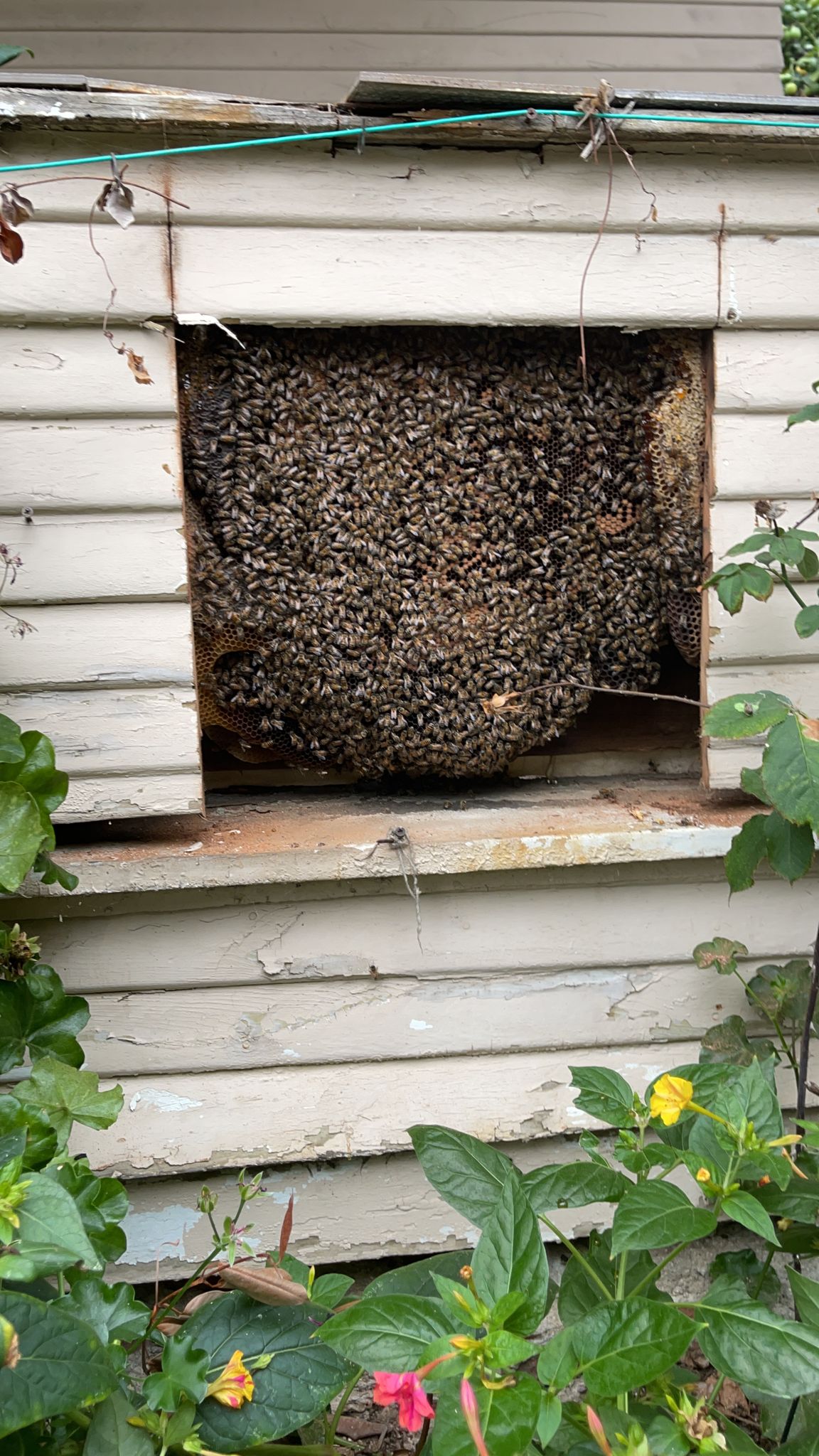
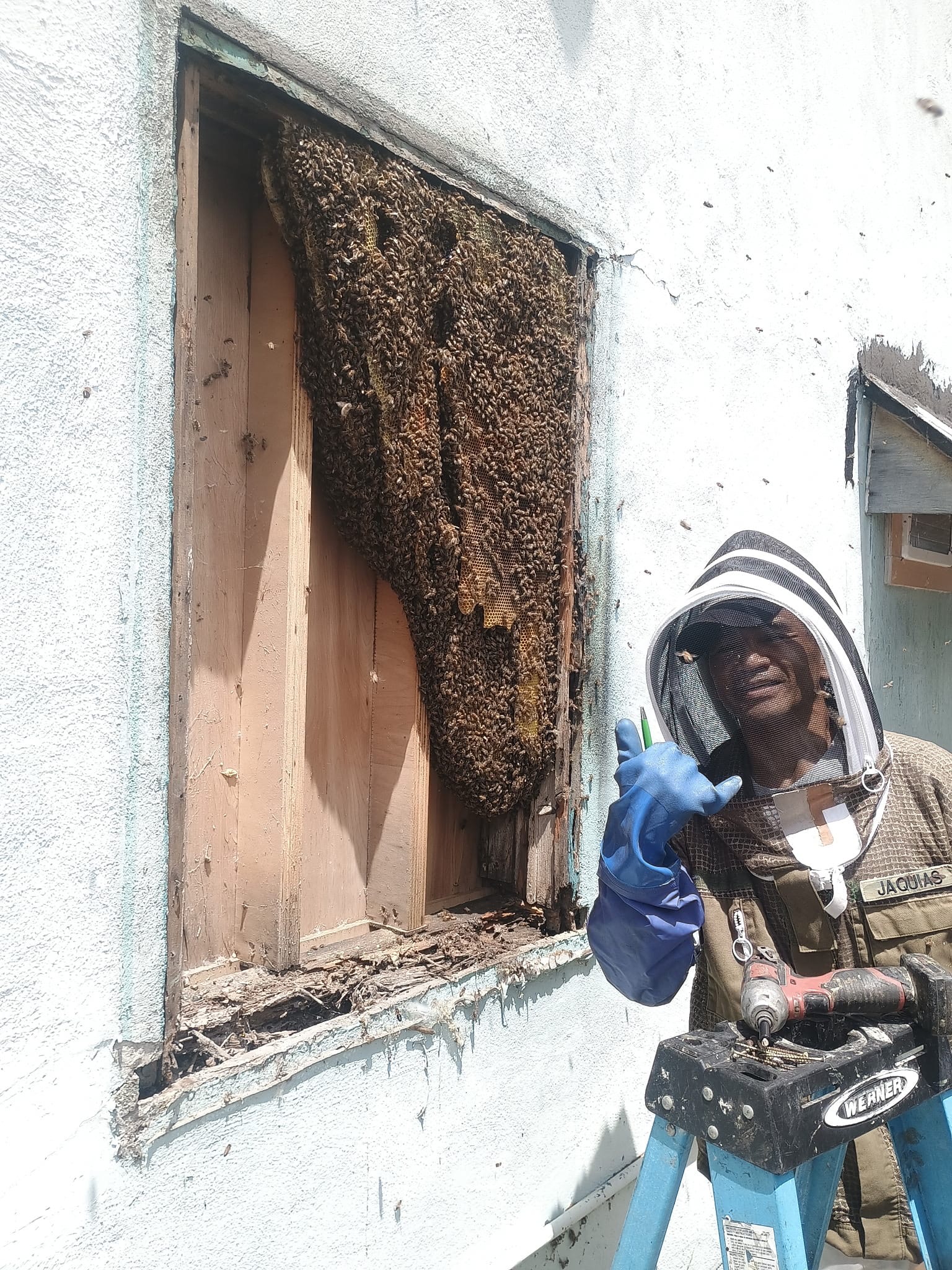
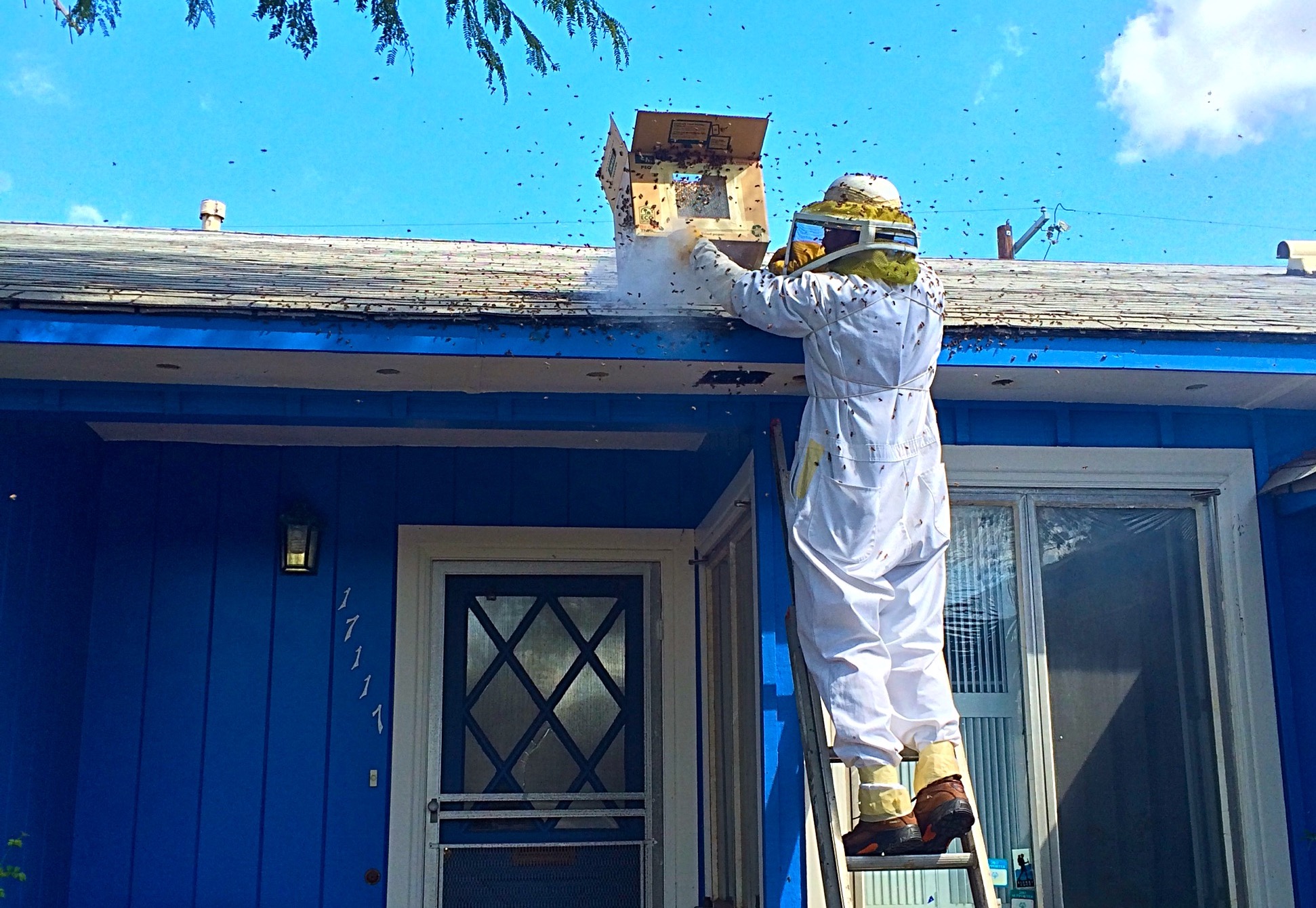
If you're seeing bees flying around the same section of your roof every day but can't find the hive, there's a good chance the colony is hidden inside your roof or wall structure. Honeybees usually enter through a tiny gap, then build their comb several feet away where it's protected from weather and predators.
The Bees Are Following the Same Flight Path
One of the biggest clues isn't the number of bees; it's how they're flying.
If you notice bees arriving and leaving in a steady stream, often using the exact same route, they're usually commuting between flowers and their colony. Stand back 20-30 feet away and watch where several bees disappear into the structure.
Common entry points include:
- Beneath roof tiles
- Fascia boards
- Eaves
- Attic vents
- Roof vents
- Chimney flashing
- Gaps around trim
- Utility penetrations
The Hive Is Often Far From the Entrance
The small hole where bees enter is rarely where the colony actually is.
We've inspected homes where bees entered above a garage, but the colony was more than eight feet away over a bedroom ceiling. On one Sherman Oaks inspection, the bees slipped beneath a slightly raised concrete roof tile while the hive was hidden deep inside the roof cavity.
That's why sealing the visible hole without removing the colony usually makes the problem worse.
Why Roofs Attract Honeybees
Southern California roofs provide warm, dry, protected nesting areas.
Different roof types tend to have different entry points:
- Spanish tile roofs: Beneath lifted or broken tiles.
- Asphalt shingle roofs: Around flashing and roof penetrations.
- Flat commercial roofs: Near HVAC equipment and expansion joints.
- Stucco homes: Around fascia boards, soffits, and trim gaps.
Swarm or Established Colony?
A swarm is temporary and may only stay for a few days.
If bees are entering the exact same location every day for more than a week, they've likely begun building comb inside your home.
Signs the Colony Is Already Inside
Look for:
- Bees entering one small opening.
- Buzzing inside ceilings or attic spaces.
- Honey stains on drywall.
- Bees appearing inside windows or light fixtures.
- Heavy activity between about 10 a.m. and 4 p.m.
How Professionals Find Hidden Hives
At Beecasso, we look for much more than bees.
During an inspection we evaluate:
- Flight patterns
- Entry points
- Construction details
- Sounds inside wall and roof cavities
- Honey staining
- Thermal imaging when conditions allow
Experience matters. After inspecting thousands of homes across Los Angeles, you begin to recognize where bees prefer to establish colonies on different roof styles.
Why Waiting Usually Makes the Job Bigger
Established honeybee colonies rarely leave on their own.
As the colony grows, it produces more comb, honey, and brood. Older colonies are also more likely to leak honey into walls and attract ants, rodents, wax moths, and other pests.
Frequently Asked Questions
Q: Should I seal the hole where the bees are entering?
A: Usually not. Sealing the entrance without removing the colony can trap bees inside your home or force them to find another way inside.
Q: How do I know if it's a swarm or a hive?
A: If the bees are using the same entrance every day for more than a week, there's a good chance an established colony is already inside.
Q: Can you remove the bees without killing them?
A: In many cases, yes. We specialize in live honeybee removal and relocation whenever it is safe and practical to do so.
Need bee removal in Los Angeles?
If you've been seeing bees around the same section of your roof, don't wait for the colony to grow larger.