How Long Can Bees Live Inside a Wall Before You Notice Them?
August 26, 2026 · 5 min read
How Long Can Bees Live Inside a Wall Before You Notice Them?
One of the most common questions we hear from Los Angeles homeowners is: "We only noticed the bees a few days ago. Does that mean they just moved in?"
Not necessarily.
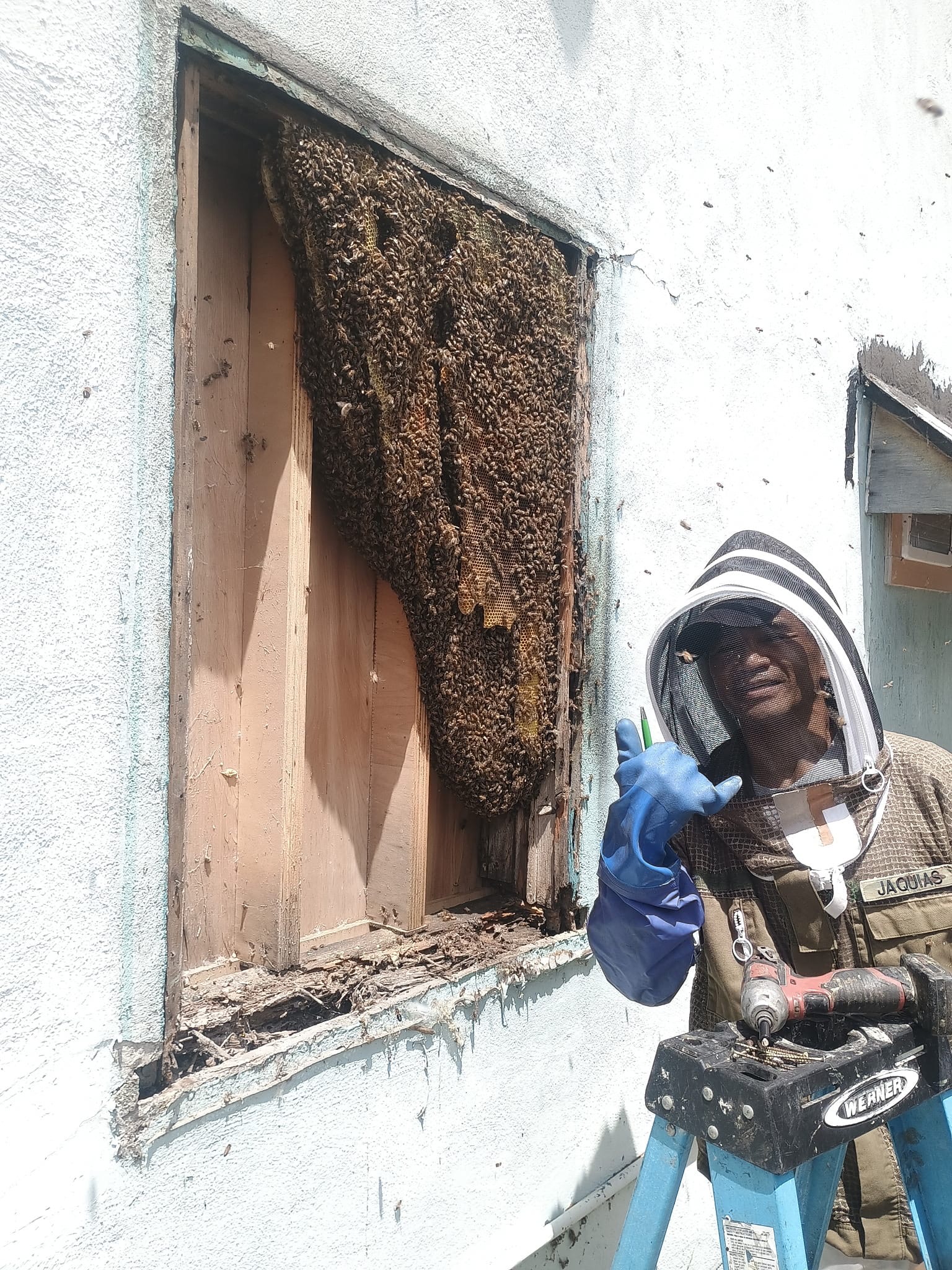
A honeybee colony can live inside a wall for weeks, months, and sometimes years before the homeowner realizes it is there. We regularly open walls where the customer thought the bees had just arrived, only to find established comb, stored honey, brood, and older darkened wax showing that the colony has been there much longer.
Bees don't need a large opening to get into a structure. Once they find a small gap leading into a protected wall or roof cavity, most of the colony can remain completely hidden.
The bees you see outside are only a small part of the colony
A homeowner may first notice five or ten bees disappearing into a small hole near the roofline. Inside that wall can be a completely different picture.
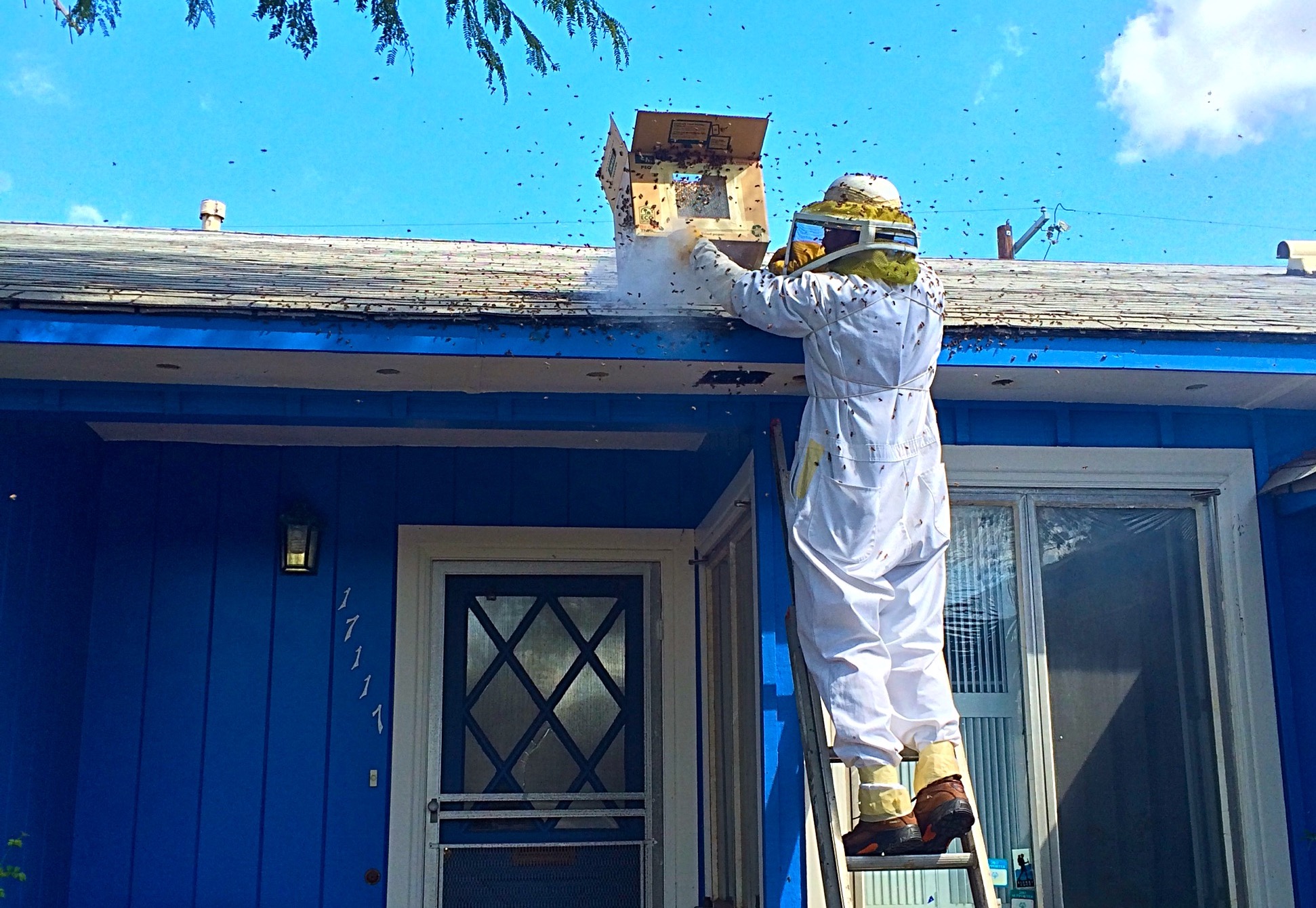
Honeybees commonly enter Los Angeles homes through gaps around fascia boards, roof and stucco junctions, eaves, vents, plumbing penetrations, utility lines, chimney flashing, and openings where construction materials meet. Los Angeles County recommends sealing or screening openings larger than 1/8 inch as part of bee-proofing a home.
Once a swarm moves into a suitable cavity, the bees begin building wax comb. The queen starts laying eggs, workers bring in nectar and pollen, and the colony can become established without creating much activity that is noticeable from inside the house.
That is why the date you first saw bees is not a reliable way to determine the age of the colony.
What we look for to estimate how long bees have been there
When we inspect a wall colony, the amount and condition of the comb usually tells us much more than the homeowner's timeline.
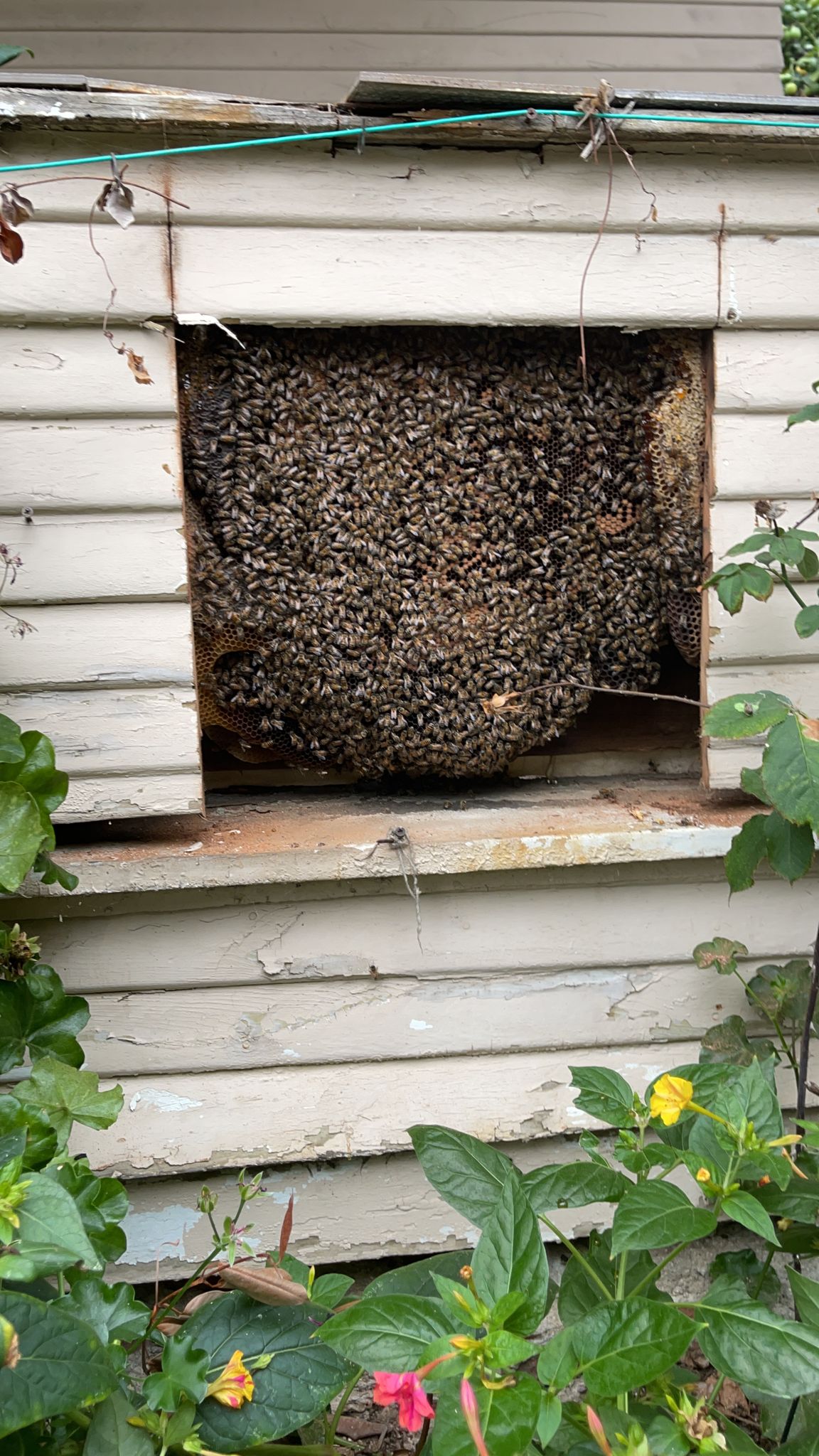
When we open up a newer colony, we're usually looking at fresh, light-colored comb and a smaller amount of brood and stored honey. When the cavity is packed with darker comb, brood and heavy honey stores, we know we're dealing with an established colony rather than a swarm that moved in a few days ago.
We've opened stucco walls where the homeowner had only noticed bee activity that week and found established comb extending through much of the stud bay. What is visible from outside doesn't always tell you what has been happening inside the wall.
Older brood comb tends to become progressively darker as generations of bees are raised in it. Large honey stores, multiple sections of brood comb, propolis buildup, staining, and comb filling much of the available cavity are all clues we use when assessing how established a colony is.
There isn't an exact formula where a certain amount of comb equals a certain number of months. Colony growth depends on the season, weather, available forage, the size of the original swarm, and how much usable space the bees have inside the structure.
In Southern California, our relatively mild climate also allows colonies
to remain active for long periods compared with areas that experience a
hard winter.
Sometimes the first sign isn't actually seeing bees
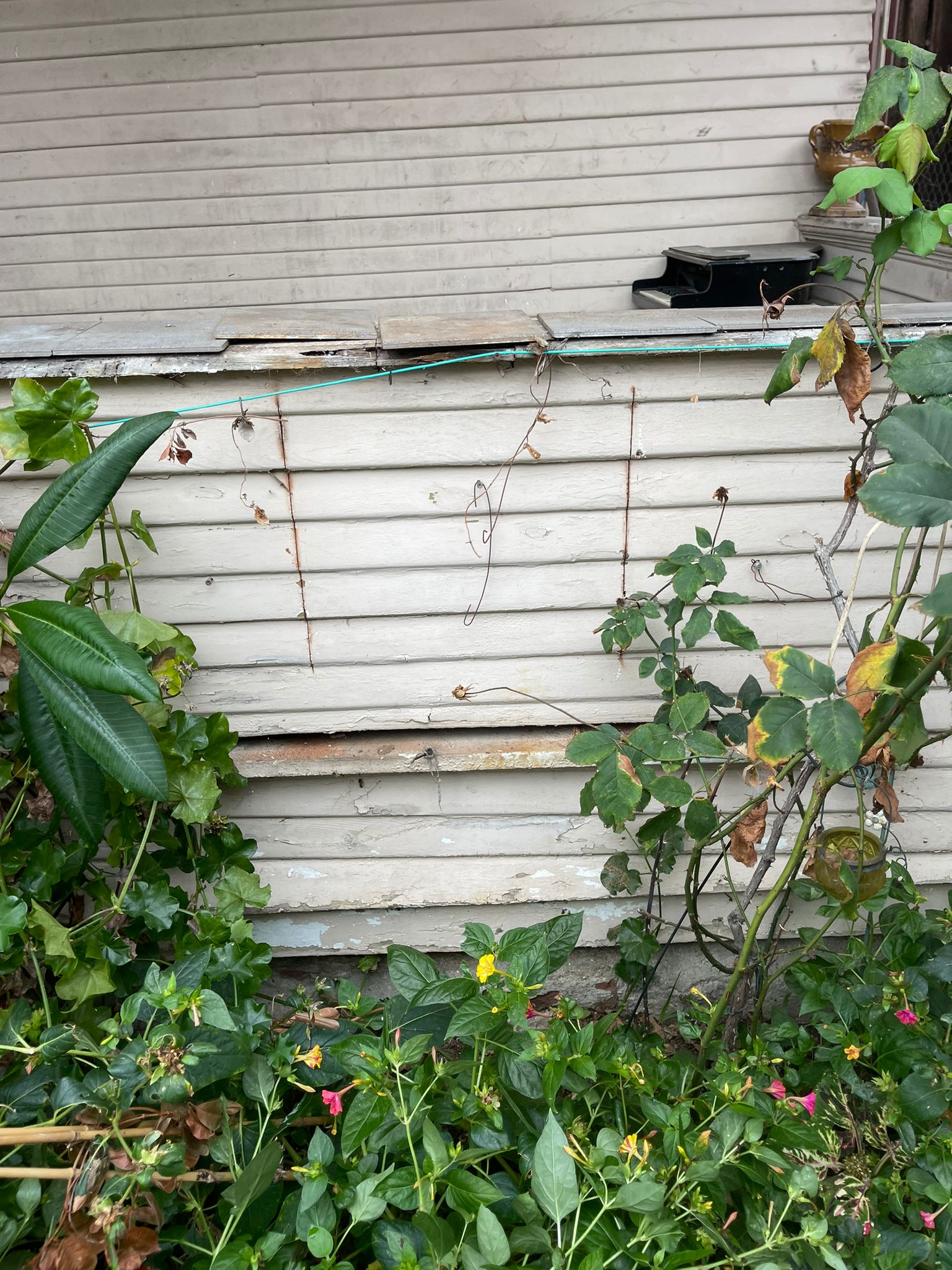
Most homeowners discover a wall colony because they eventually notice consistent flight activity at an entry point. But there are other signs.
You may hear faint buzzing or humming through drywall, particularly when the house is quiet. Bees may occasionally appear inside around windows or lights. You might notice activity around an eave or roofline that occurs every day rather than disappearing after a day or two.
With an older or larger colony, honey or moisture can sometimes create staining or other problems inside the structure.
It's also important to distinguish a temporary swarm from an established colony. A swarm clustered on a tree, fence, or outside of a building may leave within hours or a few days. Los Angeles County notes that swarms often leave within two to three days and sometimes within only a few hours.
Bees repeatedly entering and exiting the same opening in a house are different. That consistent traffic usually tells us they have selected a cavity and may already be building comb inside.
Why we don't recommend simply sealing the entrance
If bees are actively living inside a wall, don't caulk the entrance closed while the colony is still inside.
Sealing the visible hole doesn't remove the bees, queen, brood, wax, or honey. It can also cause trapped bees to search for another route out, sometimes resulting in bees entering the living space.
A structural bee removal starts with identifying where the colony is actually located and determining the safest, least-destructive way to access it. Depending on the property, that can involve watching the exterior flight pattern, listening through the wall, using thermal imaging when it is useful, and evaluating how the wall, roof, fascia, or eave is constructed before opening anything.
Once we have access, the goal with a live removal is to remove the bees and queen when possible, transfer the colony for relocation, and physically remove the wax comb, brood, and honey from the cavity.
The Los Angeles County Beekeepers Association also notes that when bees establish themselves inside a building, the structure may need to be opened so the bees, comb, and honey can be retrieved.
Removing the comb matters as much as removing the bees
If someone kills or removes the adult bees but leaves an established hive inside the wall, the job isn't necessarily finished.
Wax and honey remain behind. Depending on the location and condition of the hive, that material can create odors or staining, attract ants and other pests, and potentially make the cavity attractive to future swarms.
On an accessible structural removal, we want to open the cavity, remove the colony and comb, clean the area, address the entry point, and properly close the structure back up.
The exact process depends on the building. Removing bees from behind first-story stucco is very different from removing a colony underneath roof tiles, behind fascia on a second story, or inside a chimney chase.
The exterior entrance also isn't necessarily directly beside the hive. Bees can enter through one small opening and travel farther into the structure before building their comb. That's one reason locating the colony before cutting into a wall is so important.
So how long have your bees actually been there?
If you started seeing bees yesterday, they could have arrived yesterday. But they could also have been living inside the wall for months before their activity became noticeable.
The best clues are consistent traffic into the same opening, the location of the colony, and---once the cavity is accessed---the quantity and condition of the comb inside.
If you're seeing bees repeatedly entering a wall, roofline, fascia, eave, or stucco opening at your Los Angeles home, have the location inspected before sealing anything.
The earlier an established colony is correctly located and removed, the smaller and simpler the job is likely to be. And when conditions allow, the bees can be removed alive and relocated while the comb and honey are properly removed from the structure.