Live Bee Removal vs. Extermination: Key Differences Explained
November 4, 2025 · 6 min read
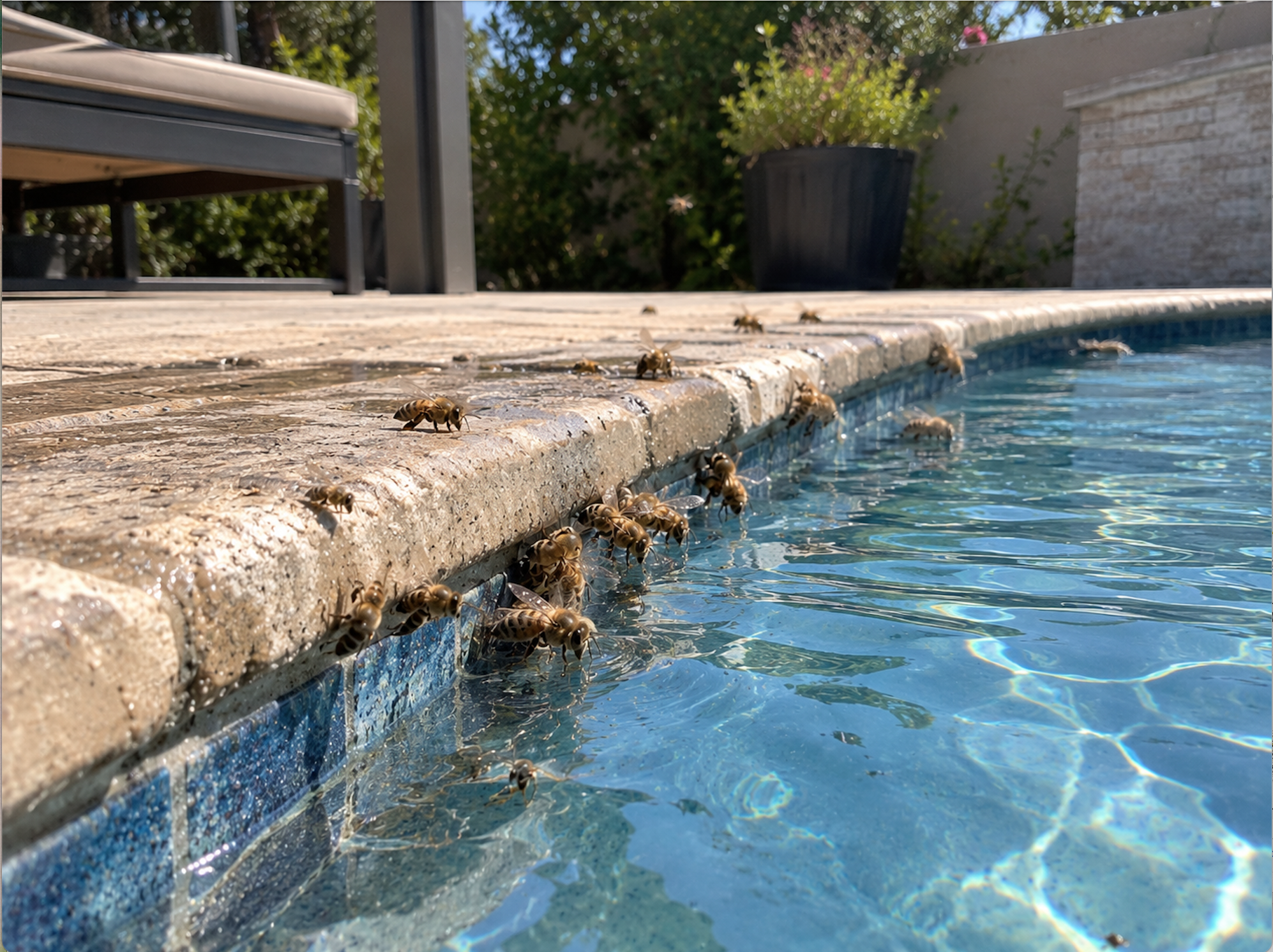
What to do now: Do not spray the bees. Do not block the entry point. Keep people and pets away. Take a photo or short video from a safe distance if possible. Call Beecasso for an assessment before the bees move deeper into the structure.
Bees are essential to our environment, playing a critical role in pollination and maintaining healthy ecosystems. However, when they decide to set up their colonies near human dwellings, they can quickly become a problem. When faced with a bee infestation, many homeowners face a tough decision: should they opt for live bee removal or bee extermination? Both methods have their advantages and disadvantages, and the right choice depends on several factors, including the bee's location, the severity of the infestation, and your environmental concerns. This guide will explore the key differences between bee removal and extermination, providing insight into both options and guiding you toward the most suitable choice for your situation.
What is Live Bee Removal?
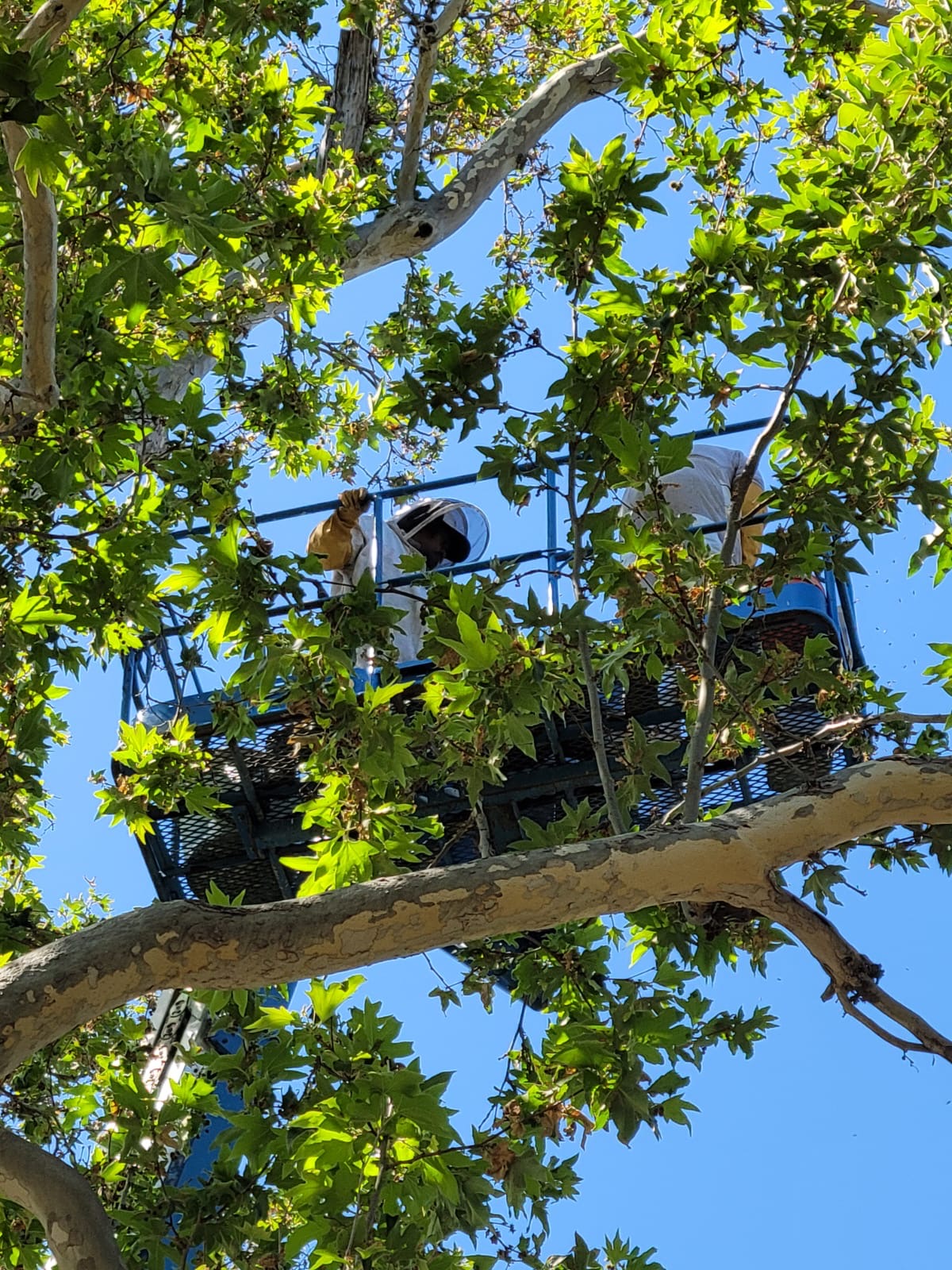
Bee removal is the process of safely relocating a bee colony to a new, more suitable location without harming the bees. Live bee removal is often the preferred choice for beekeepers and bee specialists, as it preserves the bees and ensures their crucial role in pollination continues. This process involves humanely removing the bees from their current location and transferring them to a hive, where they can continue their natural activities.
Why Choose Live Bee Removal?
Choosing humane bee removal offers several benefits. Not only does it preserve the bee population, but it also supports local ecosystems. Bees play an essential role in pollinating flowers, crops, and plants, making their survival crucial for food production and biodiversity.
Eco-Friendly Approach: By choosing live bee removal, you are helping maintain the health of the ecosystem. Preserving the bee population is key to ensuring that flowers, fruits, and vegetables can continue to thrive.
No Harm to Bees: This method involves careful relocation of the bees, ensuring that no harm comes to them during the process.
Preservation of Pollination: With bee colony removal via relocation, bees can continue pollinating, which is critical for plant reproduction and food production.
Live bee removal is best suited for situations where the hive is not in a dangerous or inaccessible location and when there is no immediate threat to human health. It is also the preferred method for individuals or communities who prioritize environmental conservation and the protection of pollinators.
What is Bee Extermination?
Exterminating bees involves eliminating the colony using chemicals or other methods that kill the bees. While this method may seem like a quick and efficient solution to a bee infestation, it has significant environmental and ethical consequences.
Why Some Opt for Extermination
While bee extermination may be quicker and less expensive, it is often the last resort for many homeowners. Here are a few reasons why some might consider this method:
Urgency: If the bees pose an immediate risk to human safety, such as when they are located near high-traffic areas or in locations where people or pets might be stung, extermination might be necessary for immediate relief.
Inaccessible Hive: If the hive is located in an area that is difficult to reach, such as deep within a wall, attic, or underground, live removal might not be feasible.
Aggressive Bees: Some types of bees, like Africanized bees, are highly aggressive and pose a greater threat. In these cases, extermination may be the safest option.
Extermination is often used in emergency situations or when relocation is not possible due to the bees' location or aggressive behavior. However, it is important to note that extermination kills the entire colony, including the queen, which prevents future colonies from forming.
The difference, plainly stated
Live removal and extermination are two different answers to the same question: what do you do when bees move into a wall, an attic, or a structure that isn't theirs?
With extermination, the colony is killed where it lives. It's fast and it's final, but it doesn't move the hive. Dead bees don't take their comb, their honey, or their queen with them. What's left behind can attract new swarms, create odor and moisture problems, and leave a structural issue unsolved. The bees are gone. The hive isn't.
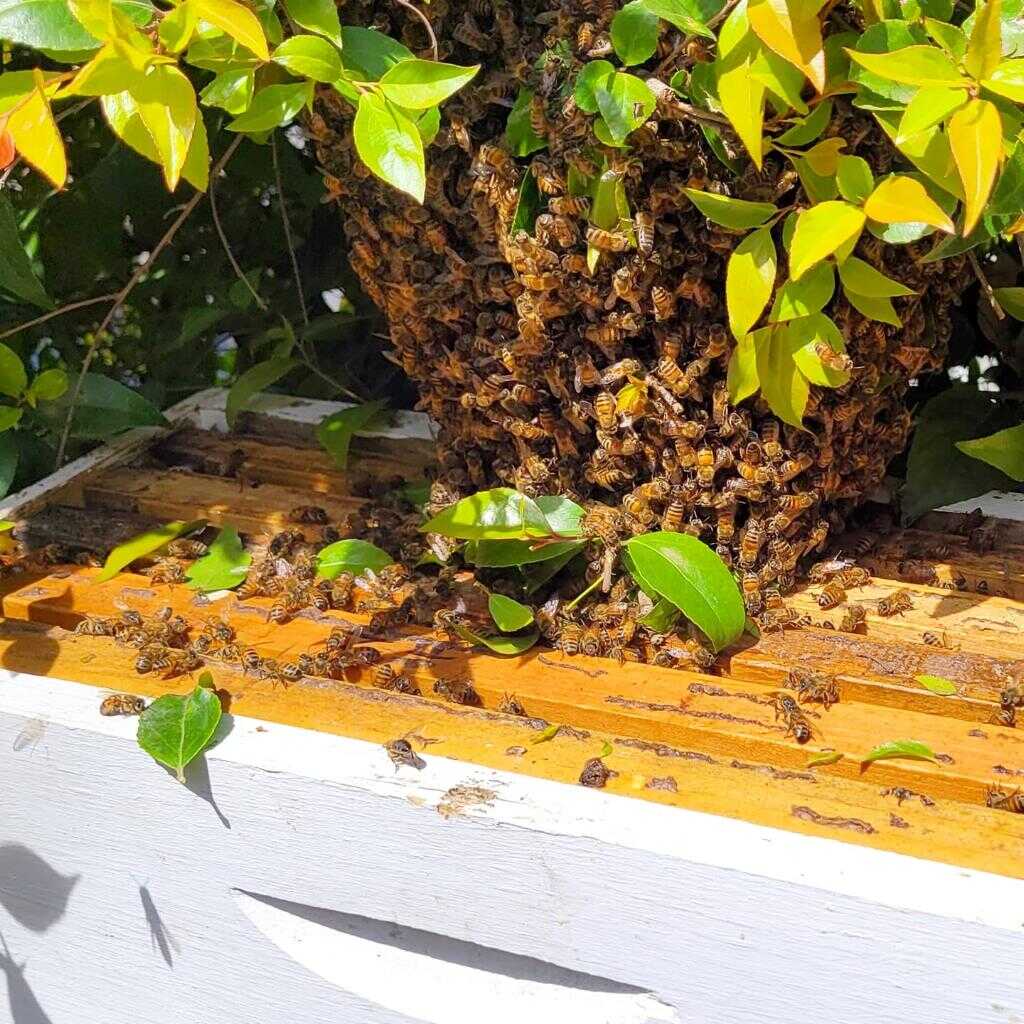
Live removal takes the colony out alive. A trained beekeeper locates the queen first. Once she's out, the rest of the colony follows her, calmly, intact, alive. The physical hive is removed along with the bees: comb, brood, and all. It's more involved than extermination. It also solves the actual problem instead of creating new ones.
The distinction matters for two reasons: the long-term outcome for your home, and what happens to the bees. Extermination leaves a structure with dead bees inside it. Live removal leaves a structure that's actually clean, and a colony that's still alive.
When to Choose Live Bee Removal
Choosing live bee removal is ideal when you want to preserve the bee population and ensure their continued role in pollination. Here are the most common situations in which live bee removal is the best option:
Accessible Hive: If the bee colony is in a location that is easily reachable, on a tree, bush, or the side of a building, live removal is an excellent choice.
Non-Aggressive Bees: If the bees are not aggressive and pose no immediate risk to human health, relocation is the safest and most humane solution.
Bee Preservation: If you are passionate about preserving the environment and supporting local pollinators, live removal aligns with those values.
In Southern California, where bee populations are vital to agriculture and the environment, live bee removal is an especially important practice. It ensures that bees can continue their vital work in pollination without being killed in the process.
When to Opt for Bee Extermination
Extermination may be necessary when live bee removal is not feasible or when there is an immediate threat to human health or safety. Here are the key scenarios when extermination might be the best option:
Aggressive Bees: If the bees are highly aggressive, such as Africanized bees, and pose a direct risk to human or pet safety, extermination is often required.
Inaccessible Locations: When the hive is hidden deep inside walls, attics, or other hard-to-reach places, extermination might be the only viable option.
Time-Sensitive Situations: In emergency situations, when there is a need for immediate action, extermination provides a quicker solution.
While exterminating bees might seem like a fast and cost-effective solution, it comes at a significant environmental cost. The loss of the bee colony can affect local ecosystems, agriculture, and biodiversity.
Bee Removal Solution
Professional bee removal services use advanced techniques to ensure that bees are relocated safely, and they have the knowledge to deal with aggressive or difficult-to-reach colonies.
Whether you are dealing with a swarm in your yard or a hive inside your walls, a professional bee removal service can help you make the right decision based on your specific situation. Live bee removal is often the preferred choice for homeowners and beekeepers, as it helps preserve the bee population and supports the environment.
Serving Los Angeles County and Orange County. Free assessments.
In Summary
The decision between bee removal and extermination depends on several factors, including the bee's location, behavior, and the urgency of the situation. Live bee removal is the most humane and environmentally friendly option, but it may require more time and effort. Exterminating bees, while quicker and less costly, results in the destruction of the colony and disrupts vital pollination processes.
If you are facing a bee infestation in Southern California, it is essential to weigh the pros and cons of each method carefully. By consulting with a professional bee removal service, you can ensure that the best option is chosen for both your safety and the well-being of the bee population. Whether you opt for humane bee removal or need to address bees in an emergency, always choose a licensed and experienced professional to handle the situation safely.
Provided by Beecasso. Last updated June 2026.