Seasonal Bee Activity in Southern California: What to Expect and How to Prepare
July 22, 2024 · 4 min read
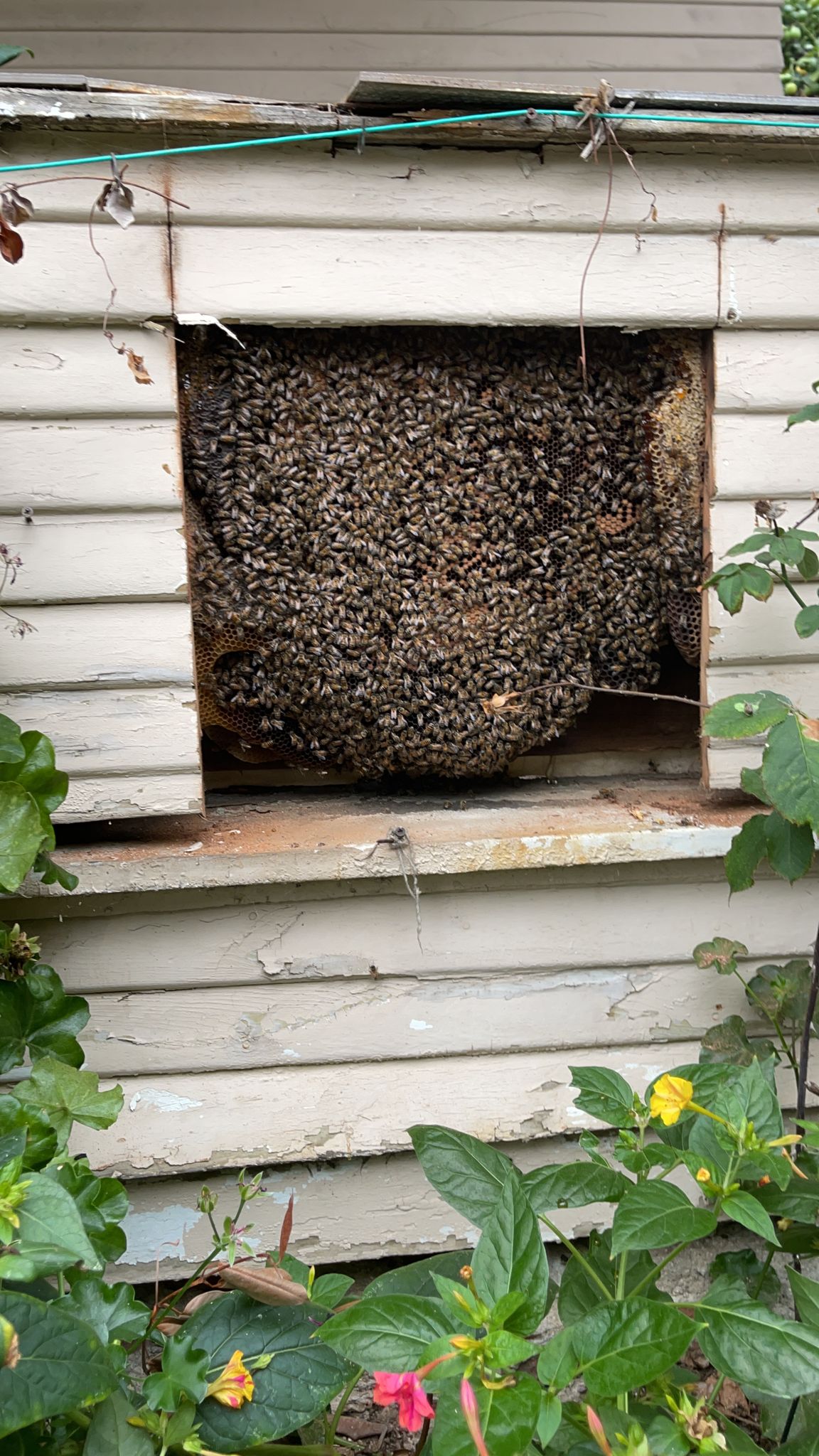
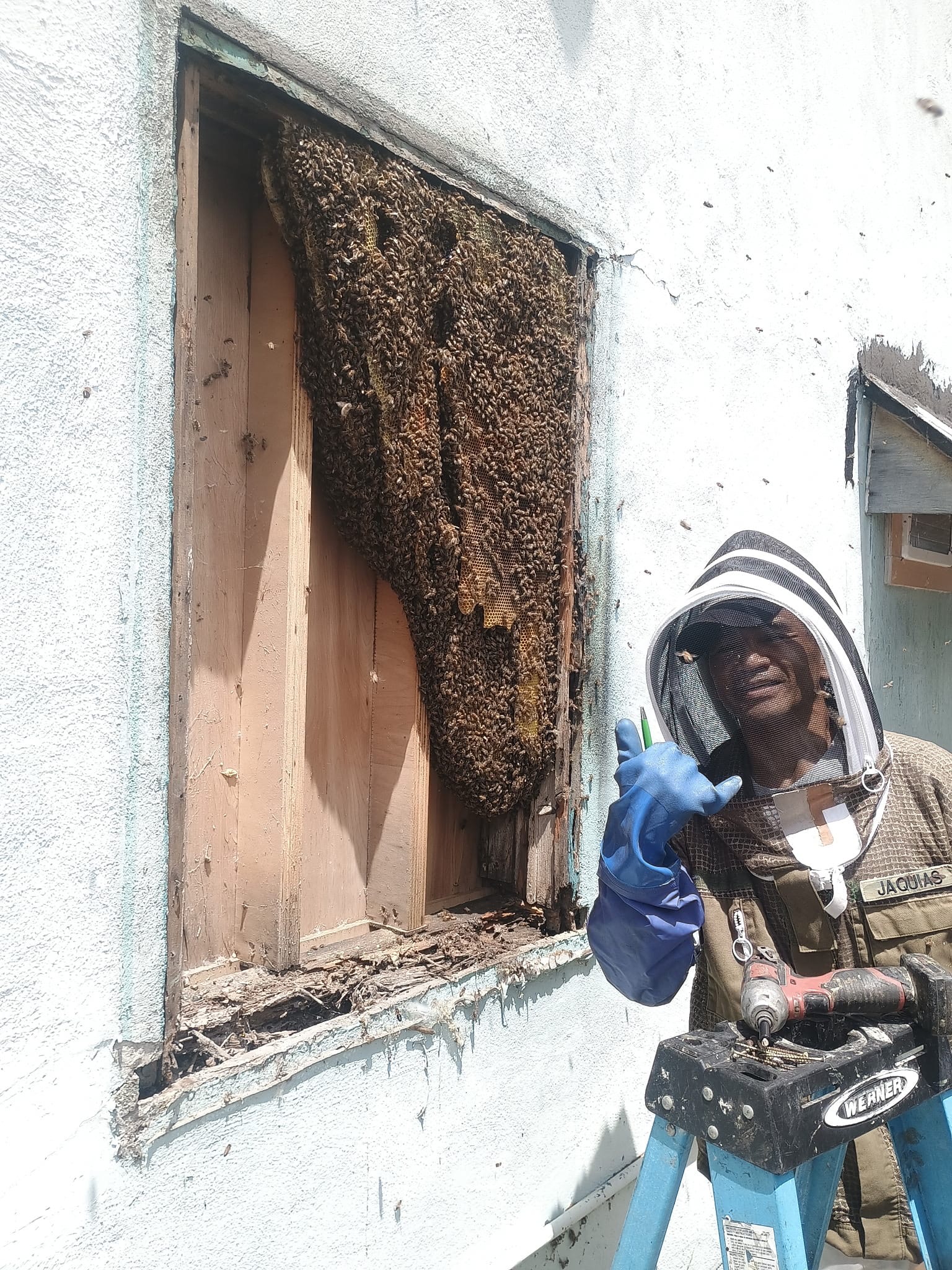
Living in Los Angeles and Orange County means living with bees year-round. The mild climate that makes SoCal attractive to people makes it equally attractive to honeybee colonies. Understanding how bee behavior shifts by season helps whether you are trying to prevent an infestation or deciding whether the hive you just found requires urgent action.
Spring (March through May): The swarm window
Spring is when bee activity is most visible and most actionable. As temperatures climb and early-blooming plants flower, established colonies grow rapidly. When a colony outgrows its hive, the original queen leaves with roughly half the workers to find a new location. That is a swarm. In Los Angeles and Orange County, swarm season typically runs from late February through May, with the heaviest activity in March and April.
A swarm clustered in a tree or on a fence post is bees in transit. Scouts are evaluating cavity options in the vicinity: your eaves, wall gaps, or chimney may already be under inspection. The window to act is short: once a swarm commits to a cavity and begins building comb, the job changes from a simple capture to a structural removal. If you see a swarm, call immediately. Not later in the day. Now, while the window is still open.
Summer (June through September): Established colonies and heat risk
By summer, any colony that established in spring has been building for months. The risk in summer is not from bees being more aggressive, established colonies are generally calm unless disturbed, but from the heat. In Los Angeles and Orange County, wall cavities and attic spaces can exceed 110 degrees in July and August.
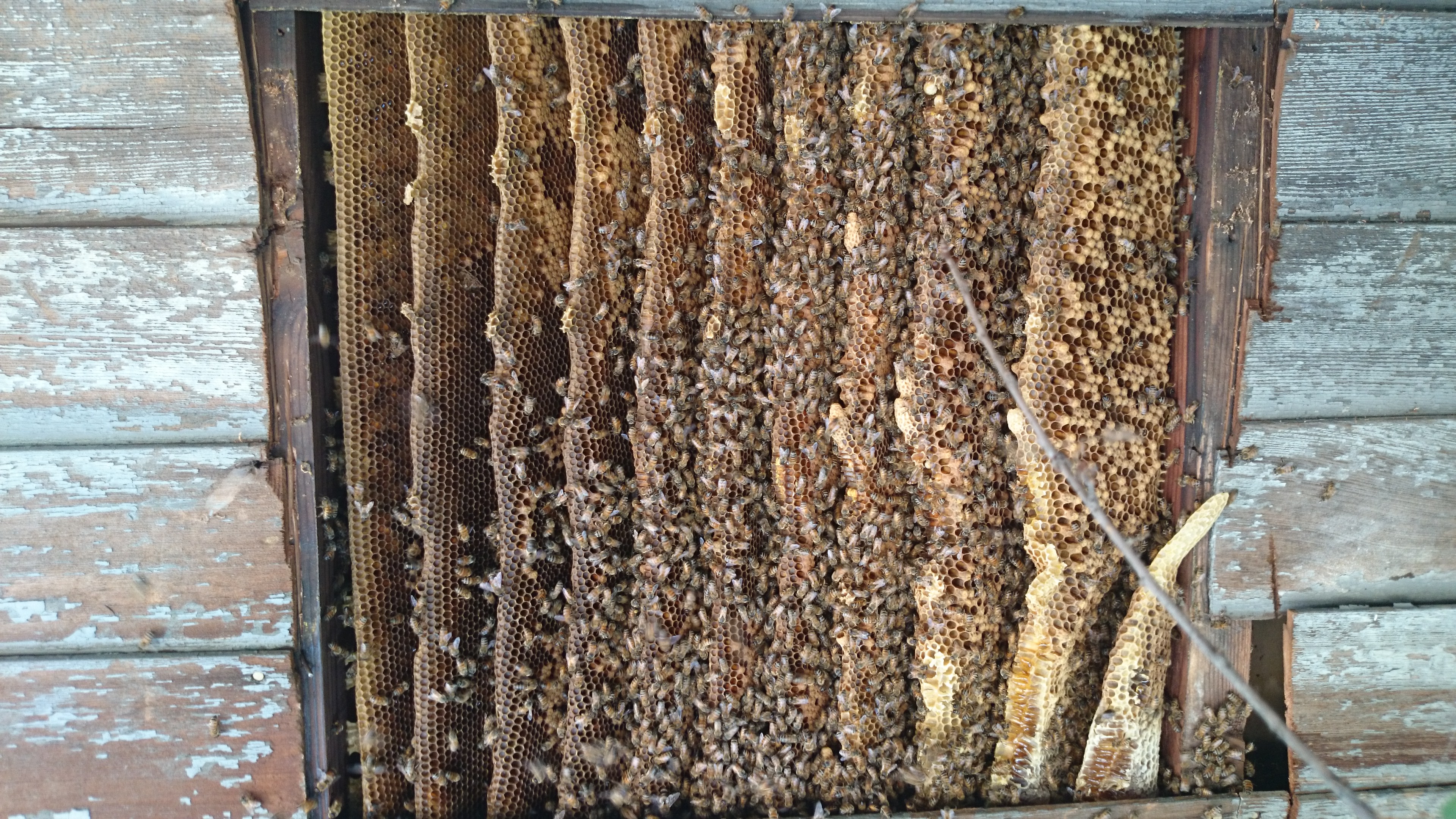
A live colony manages heat actively through fanning and clustering. A disrupted or dying colony cannot. Honeycomb left in a hot wall cavity softens. The honey flows through the wall structure, saturates insulation, stains ceilings, and leaves a pheromone signature that signals "established hive here" to every swarm that passes for years afterward. Delays in summer removal carry structural consequences. If you have a known hive in a wall and have been putting it off, summer is not the time to continue waiting.
Fall (October through November): Smaller colonies, same urgency
Colonies consolidate in fall as temperatures moderate and the queen slows her laying rate. A fall colony is smaller than its August peak but still fully established. This is often a practical window for structural removals: less comb, fewer bees, lower heat risk. Homeowners who have been watching a situation since summer should act before the colony overwinters in place.
A common misconception: bees leave or die off in fall. They do not. The colony you have in October is the same colony that will expand again in March.
Winter (December through February): Active, not dormant
Honeybees do not hibernate. This is one of the most common misunderstandings about bee behavior in Southern California specifically. In cold-climate states, colony size drops sharply in winter and bees enter a near-dormant cluster state. In Los Angeles and Orange County, winters are mild enough that colonies remain active at reduced levels. You will see fewer bees in January, but the colony is present.
This actually makes winter a practical window if you know where an established colony is: smaller colony, less comb, easier extraction. But "wait for winter and they will leave" is not a strategy that works in this climate. They will not leave. They will slow down, then expand again in spring.
What to do in any season
The season affects the size and urgency of the job, but the fundamental rule is the same: the right time to call is when you find them. Spring swarms are the easiest and fastest removals. Summer structural work carries the highest risk from delay. Fall and winter are practical windows for known established colonies.
Beecasso operates year-round in Los Angeles County and Orange County, including Pasadena. Free assessments. If you are not sure what you have or how urgent it is, send a photo and we will tell you honestly.
Provided by Beecasso. Last updated June 2026.
Frequently Asked Questions
Do bees hibernate in winter in Los Angeles?
No. Honeybees do not hibernate. In Los Angeles and Orange County's mild climate, colonies remain active year-round at a reduced level. Colony size reaches its annual minimum in winter and the queen slows her laying rate, but the colony in your wall in January is still present and will resume full activity in spring. There is no season where a hive resolves itself on its own.
When is the easiest time to remove a bee colony?
A fresh spring swarm that has not yet entered a structure is the simplest scenario: no structural access needed, minimal comb, quick capture. Once a colony establishes inside a wall or soffit, the job requires structural access regardless of season. Winter is the smallest colony size for an established hive, which is why some homeowners choose it for known structural removals.