What Happens When a Queen Bee Dies?
October 9, 2026 · 5 min read
What Happens to a Beehive When the Queen Dies?
If a honeybee colony loses its queen inside your wall or roof, the bees won't necessarily leave. They may raise another queen, continue occupying the cavity for weeks, or eventually die off while leaving honeycomb and stored honey behind.
A queenless colony can survive for several weeks while raising a replacement. If that fails, the worker population gradually declines until the colony collapses. The honeycomb and stored honey, however, remain unless they are physically removed.
Workers Can Detect the Loss of Their Queen Within Hours
A queen bee produces pheromones that help maintain the colony's social organization. Worker bees spread these chemical signals through physical contact as they move around the hive.
When the queen dies or disappears, those signals begin to fade. Workers can detect the change within hours and may begin raising a replacement.
During a hive inspection, several signs can suggest a colony has lost its queen:
- No freshly laid eggs in the brood cells.
- Emergency queen cells built around young larvae.
- A declining or irregular brood pattern.
- Increased agitation when the colony is opened.
- Fewer developing bees as the colony ages.
These signs require careful interpretation. A newly emerged queen may not have started laying eggs, while an older queen may have temporarily stopped laying.
A colony preparing to swarm may also contain queen cells. Finding them doesn't automatically mean the original queen has died.
An experienced beekeeper examines the age of the brood, the laying pattern, and the condition of the colony before determining whether it is queenless.
A Colony Needs Young Female Larvae to Raise a Replacement
Worker bees cannot turn an adult worker into a queen.
To raise a replacement, the colony needs fertilized eggs or suitable young female larvae, generally less than three days old.
Workers enlarge selected cells into emergency queen cells and feed the developing larvae a specialized diet rich in royal jelly.
A queen takes approximately 16 days to develop from an egg into an adult. When workers begin with an existing young larva, the replacement can emerge sooner.
The new queen must then mature, complete successful mating flights, and begin laying fertilized eggs.
Under favorable conditions, a colony may have a new laying queen approximately three to five weeks after losing its original queen. Weather, drone availability, and mating success can extend that timeline.
Meanwhile, existing workers continue collecting food, protecting the hive, and caring for brood. The interruption in egg production means fewer replacement workers will emerge in the following weeks.
Without a Replacement Queen, the Colony Eventually Collapses
If no suitable eggs or young larvae remain, the colony cannot raise another queen without assistance.
Over time, some worker bees may begin laying eggs themselves. Because workers have not mated, their unfertilized eggs develop into male bees called drones.
Drones cannot replace the female workers responsible for gathering food, feeding larvae, and maintaining the hive.
As older workers die, the colony's population declines.
A beekeeper may be able to save the colony by introducing a mated queen, supplying suitable brood from another hive, or combining the remaining bees with a healthy colony.
Introducing a queen is not always successful. Workers may reject her, particularly when laying workers have already developed.
A Queenless Colony Inside Your Wall May Remain Active for Weeks
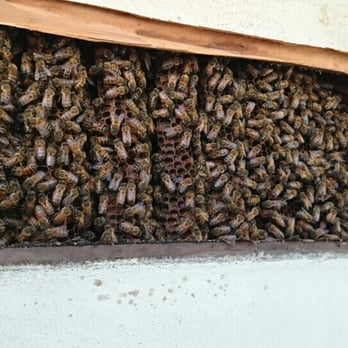
Losing the queen does not cause worker bees to abandon an established hive inside a wall or roof.
Throughout Los Angeles, Pasadena, Glendale, and surrounding Southern California communities, honeybee colonies commonly establish themselves inside stucco walls, roof cavities, chimneys, and other enclosed spaces.
Even without a queen, workers may continue using the original entrance while attempting to raise a replacement.
From outside, the activity can look normal. You may still see bees carrying pollen into the entrance or flying around an opening beneath roof tiles.
There is no reliable way to confirm that a concealed colony is queenless simply by watching bees enter and exit.
If the colony eventually dies, its honeycomb, stored honey, wax, and brood can remain inside the structure.
Abandoned comb may attract ants, wax moths, and robber bees from neighboring colonies. Honey can also leak through damaged comb, potentially staining drywall, ceilings, or other building materials.
Waiting for a colony to die does not eliminate the need to remove the hive material.
Finding and Protecting the Queen During Live Bee Removal
When Beecasso removes an established honeybee colony, locating and preserving the queen whenever possible is an important part of the relocation process.
During a structural removal, the colony must be carefully exposed to access the bees and honeycomb.
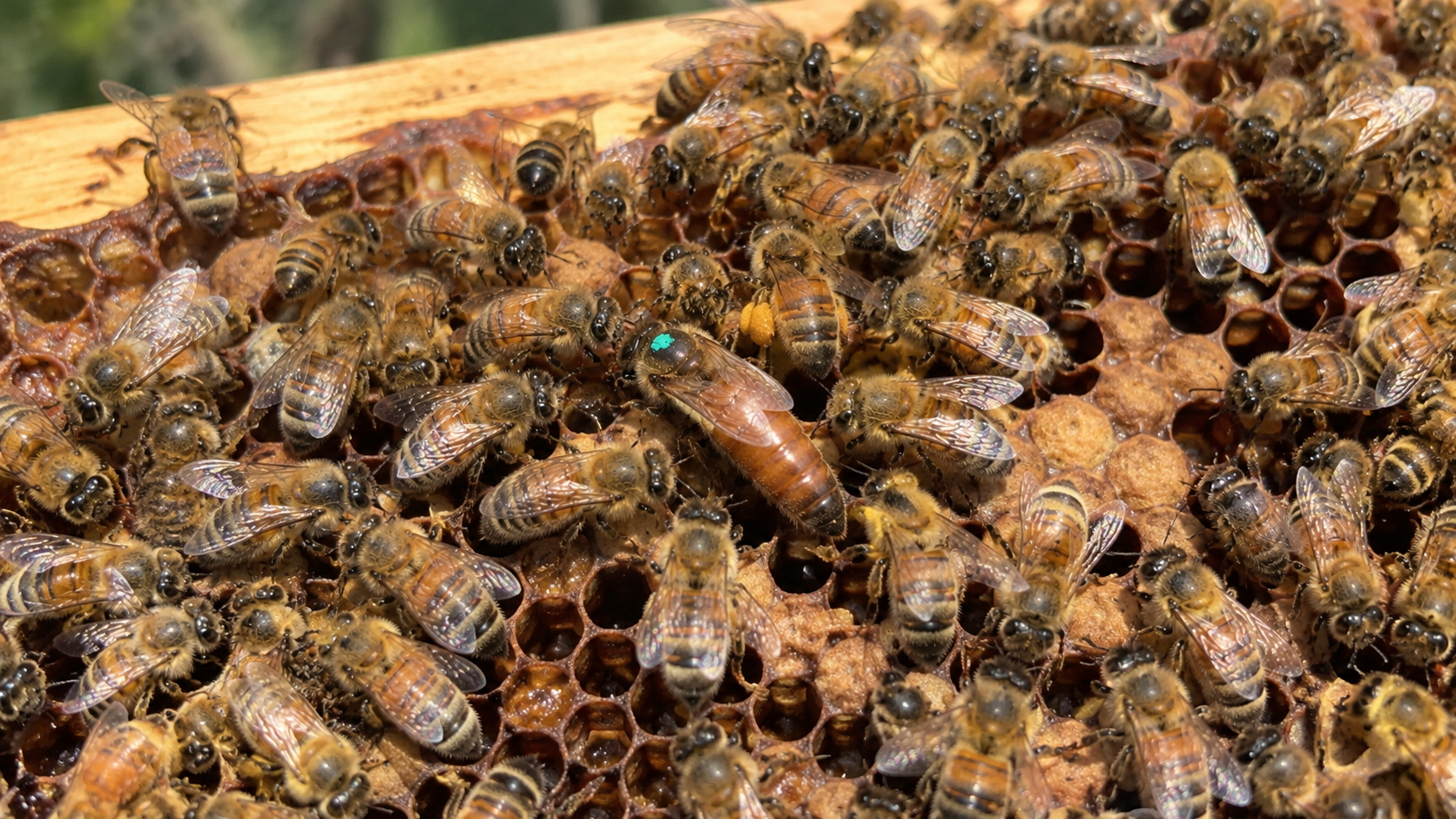
In a large colony, the queen can be hidden among thousands of workers or move deeper into the cavity as the comb is exposed.
Examining brood comb provides important information. Fresh eggs, young larvae, capped brood, and queen cells can help determine whether the colony has a laying queen or may be attempting to replace her.
Suitable brood comb can be secured in frames and placed into a transfer box along with the collected bees.
If the queen is successfully transferred, the colony has a better opportunity to continue developing after relocation.
If she cannot be located, the relocated colony needs to be assessed afterward rather than assuming she survived.
Depending on its condition, the beekeeper may need to introduce a replacement queen, provide suitable brood, or combine the bees with another colony.
The objective is to relocate a functioning colony, not simply collect the worker bees.
Fall and Winter Can Make Queen Replacement More Difficult
Southern California's mild climate allows honeybees to remain active through much of the year, but queen replacement is not equally successful in every season.
A new queen needs suitable weather for mating flights and enough mature drones in the surrounding area.
Spring generally provides more favorable conditions. Later in the year, cooler weather, reduced drone availability, and limited food resources can make successful mating less predictable.
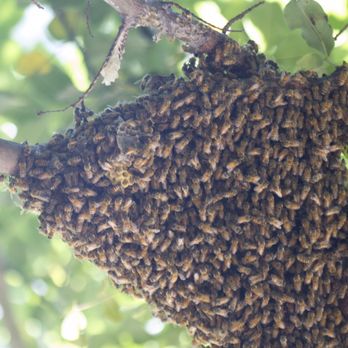
Colonies may also naturally replace aging or failing queens through a process called supersedure. Unlike emergency queen replacement, this can begin while the original queen is still alive.
Not every queen cell indicates that a colony has lost its queen.
What Should You Do If Bees Are Living Inside Your House?
If bees are entering a wall, roof, or chimney, don't assume reduced activity means the colony is dying or preparing to leave.
Avoid sealing the entrance while bees are active. Trapped bees may search for alternative exits, potentially entering living spaces.
An established colony should be assessed to determine its location, how the hive can be accessed, and what removal and repair work may be necessary.
At Beecasso Live Bee Removal, we specialize in removing and relocating established honeybee colonies throughout Los Angeles, Orange County, and surrounding Southern California communities.
Our work includes removing accessible honeycomb and hive material, cleaning and treating affected cavities where appropriate, and addressing entry points to help prevent future bee activity.
For professional live bee removal, contact Beecasso Live Bee Removal at (310) 214-8639 or visit beecassobeeremoval.com to arrange an inspection.