Eco-Friendly Bee Removal: Safer for Your Kids, Pets, and Local Pollinators
July 9, 2026 · 3 min read
Eco-friendly bee removal means relocating honey bees alive instead of poisoning them, and removing wasp and hornet nests directly instead of broadcast spraying your yard, so your family, pets, and beneficial pollinators face less exposure.
If you have kids who play in the yard, a dog that noses around the deck, or you just do not love the idea of poison sprayed around your home, this is the approach worth asking about. Here is what it actually means, said honestly.
What eco-friendly bee removal actually means
Let us be straight about the words. Eco-friendly removal means we solve the problem without dousing your home in poison. For honey bees, that means live relocation. For wasps and hornets, it means removing the nest itself rather than broadcast spraying the area around it. The goal is to handle the situation while keeping exposure around your home as low as possible. It is a humane, low-impact approach.
Honey bees are relocated alive, not exterminated
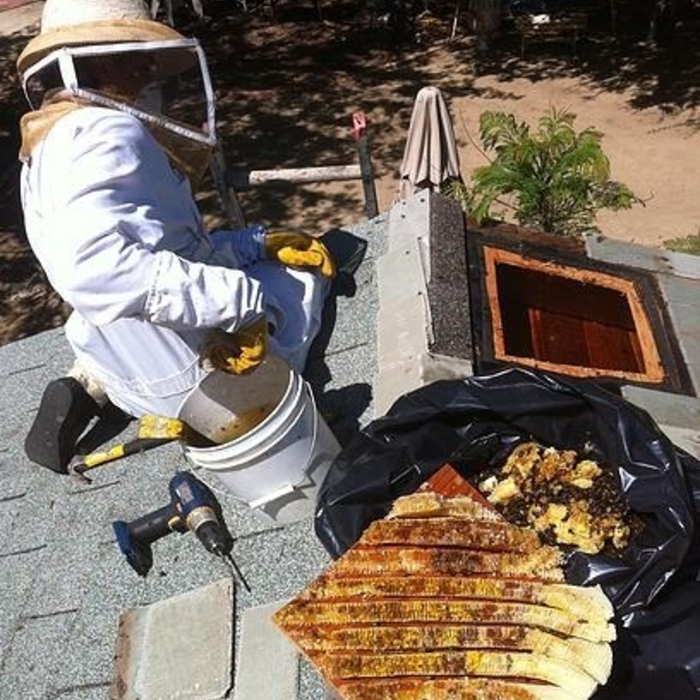
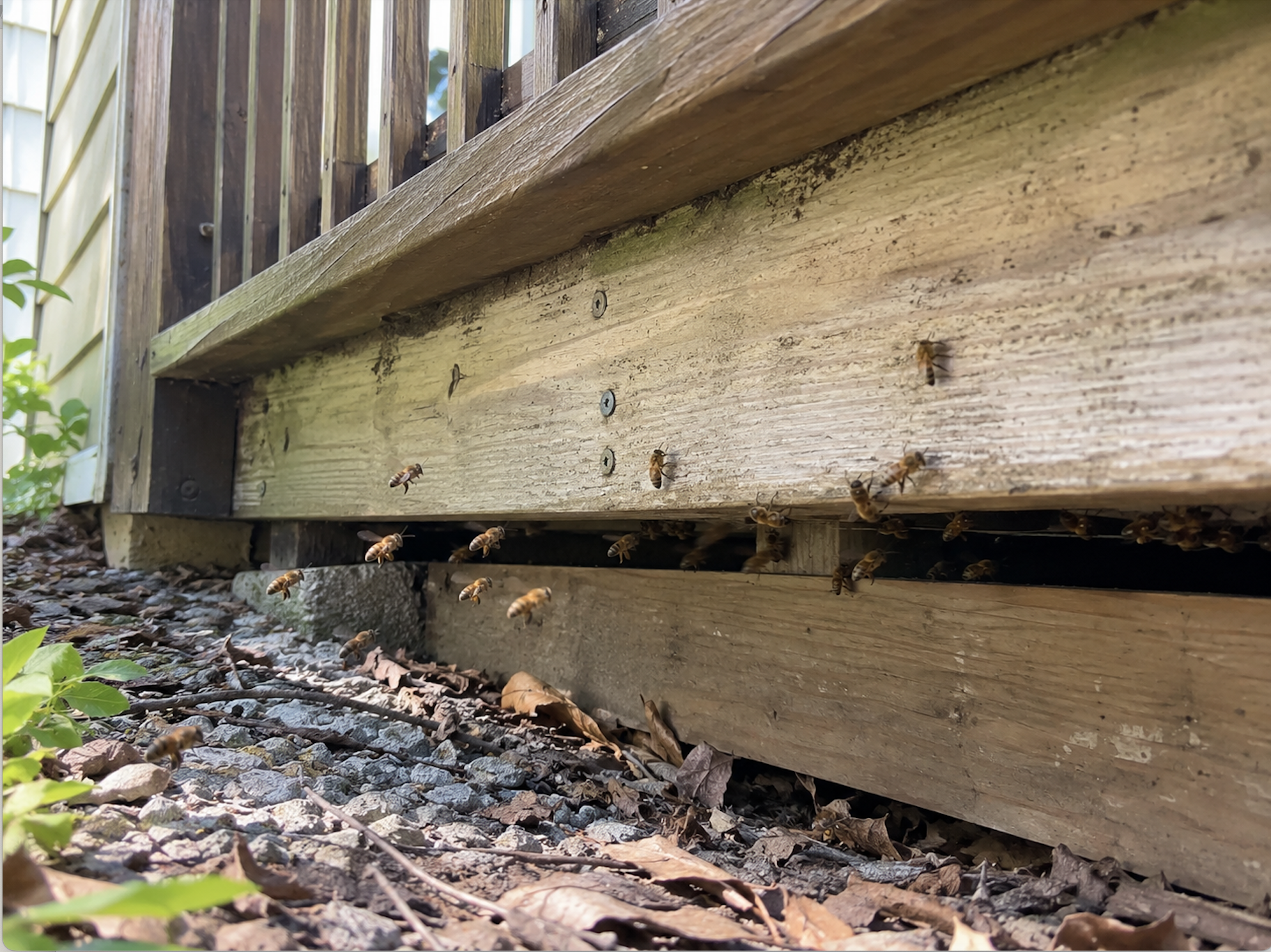
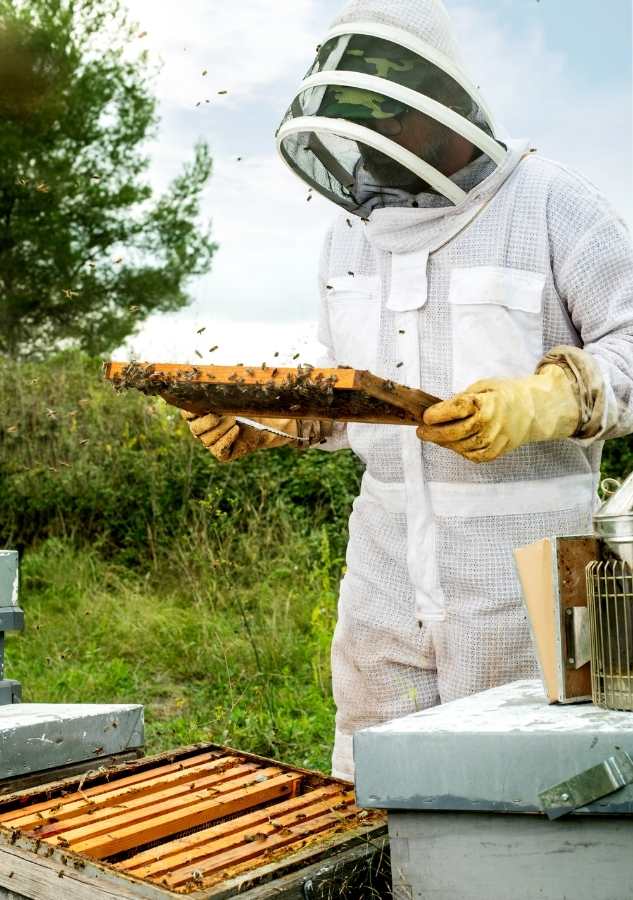
When the problem is honey bees, there is no reason to kill them. We collect the colony and move it alive to a managed apiary or a local beekeeper here in Tennessee, where it can keep doing its job. The bees get a new place to live, and you get them out of your home. For most homeowners, that is the whole point of calling a specialist instead of an exterminator. You can see what we handle on our residential bee removal page.
Wasps, hornets, and yellow jackets are removed at the nest
Honey bees get relocated. Wasps, hornets, and yellow jackets do not, because relocation is a honey bee method. They are handled by removing the nest directly, which deals with the problem at its source instead of spraying the surrounding yard. If you are not sure which insect you are dealing with, compare what you are seeing against our honey bee and yellow jacket identification guides, because the right method depends on the species.
Why it matters for kids and pets
The main benefit is simple: no poison broadcast around the house means less incidental contact for the people and pets who live there. Broadcast yard sprays can leave residue on surfaces, soil, and the play areas where kids and dogs spend time. Relocating honey bees and removing wasp nests at the source avoids putting that residue where your family spends its time.
Why it matters for the ecosystem
Honey bees are important pollinators, and live relocation avoids killing them needlessly. Skipping the broadcast spray also spares the non-target pollinators that visit your flowers and garden. It is a smaller footprint on the things in your yard you actually want there.
What to ask a removal company
Before you hire anyone, a few questions will tell you a lot:
- Do you relocate honey bees alive?
- Do you remove the comb, or just the bees?
- For wasps and hornets, do you remove the nest or just spray the yard?
If the only answer you get is "we spray," you are talking to a general exterminator, not a bee specialist. For more on why spraying is usually the wrong first move, read why DIY bee removal fails, or browse all of our Tennessee services and swarm removal. Ready to talk it through? Contact us.
Frequently Asked Questions
Is bee removal safe for my kids and pets? Yes. An eco-friendly approach relocates honey bees alive and removes wasp and hornet nests at the source instead of broadcast spraying, which keeps exposure around your home low.
Is this eco-friendly? Yes. Honey bees are relocated alive with no poison, and wasps and hornets are handled by removing the nest directly rather than spraying your yard.
What happens to the bees after removal? Honey bees are relocated alive to managed apiaries or local beekeepers in Tennessee.
Do you relocate wasps and hornets too? No; only honey bees are relocated. Wasps, hornets, and yellow jackets are handled by removing the nest.